Related Articles
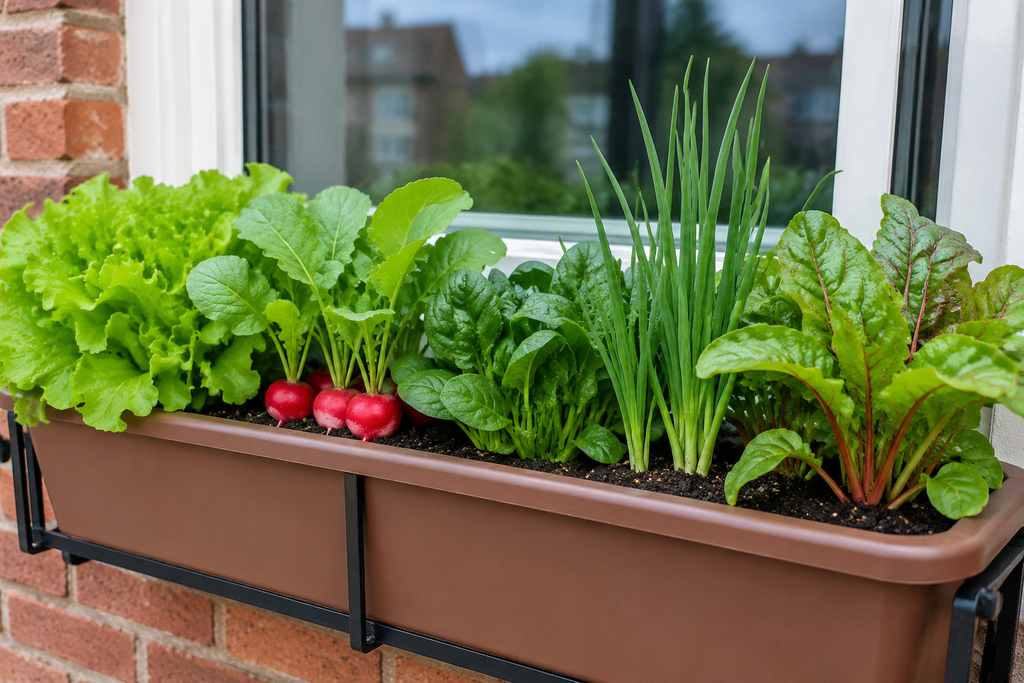
Growing fresh vegetables does not always require a large backyard or traditional garden space. Many people living in apartments, urban homes, and small houses in the USA, UK, and Canada are turning to window box gardening as a practical way to enjoy homegrown produce. With the right plants, even a small window box can provide fresh leaves, herbs, and vegetables throughout the growing season.
Choosing the right plants is the most important step when creating a successful window box garden. Since window boxes usually have limited depth, vegetables with deep root systems may struggle to grow properly. This is why shallow rooted vegetables for window boxes are an excellent choice for beginners and experienced gardeners.
Shallow rooted vegetables require less soil depth, grow well in containers, and can produce a good harvest when given proper sunlight, water, and nutrients. They are ideal for balconies, windowsills, patios, and other small outdoor areas where traditional gardening is not possible.
This guide explains the best shallow rooted vegetables for window boxes, how to grow them successfully, and important tips to help you create a productive small space vegetable garden.
Why Choose Shallow Rooted Vegetables for Window Boxes?
Window boxes have limited space compared to garden beds. Most window containers are usually between six and twelve inches deep, which makes them unsuitable for vegetables that need large root systems. Plants like large pumpkins, full size carrots, and some varieties of potatoes require much deeper soil.
Shallow rooted vegetables are naturally better suited for these conditions because their roots spread closer to the soil surface. They can absorb moisture and nutrients from a smaller growing area while still producing fresh vegetables.
Another advantage is that shallow rooted vegetables are easier to maintain. They require less soil, are easier to water, and can be moved or rearranged whenever needed. This makes them perfect for people who want a simple gardening experience without a lot of maintenance.
For urban gardeners, window boxes provide an opportunity to grow healthy food without needing expensive equipment or a large garden area.
Best Shallow Rooted Vegetables for Window Boxes
Lettuce
Lettuce is one of the easiest shallow rooted vegetables for window boxes. It grows quickly and does not need deep soil to produce fresh leaves. Most lettuce varieties only require around six inches of soil depth, making them perfect for compact containers.
There are many types of lettuce available, including butterhead, romaine, and loose leaf varieties. Loose leaf lettuce is especially useful because you can harvest outer leaves while allowing the plant to continue growing.
Lettuce prefers cooler temperatures and performs well during spring and autumn in many regions. In warmer climates, placing the window box where it receives morning sunlight and afternoon shade can prevent the leaves from becoming bitter.
Regular watering is important because lettuce has shallow roots that dry out quickly. Keeping the soil consistently moist will encourage healthy growth and tender leaves.
Radishes
Radishes are another excellent option for window box gardening. They grow quickly and many varieties mature within three to five weeks. Their small root size makes them suitable for containers with limited depth.
French breakfast radishes, cherry belle radishes, and other small varieties are especially good choices. A window box with around six to eight inches of soil can support a healthy crop.
Radishes grow best in cool weather and need regular moisture for smooth, crisp roots. They are also a great choice for beginners because they require minimal care and provide quick results.
Planting radishes between slower growing vegetables can help maximize your available space.
Spinach
Spinach is a nutrient rich vegetable that grows well in shallow containers. It develops a compact root system and can thrive in window boxes with limited soil depth.
Spinach prefers cooler temperatures and can tolerate partial shade, making it useful for balconies or windows that do not receive full day sunlight.
Baby spinach varieties are particularly suitable because they can be harvested early. You can collect young leaves regularly and allow the plant to continue producing more growth.
Keeping spinach well watered and harvesting leaves frequently will help maintain a continuous supply of fresh greens.
Green Onions
Green onions, also called scallions, are among the easiest vegetables to grow in shallow window boxes. Their roots are small and do not require much soil depth.
They can be grown from seeds, young plants, or even leftover onion roots from the kitchen. This makes them an affordable and sustainable gardening choice.
Green onions grow quickly and can be harvested whenever needed. Their upright growth also means they take very little space, allowing gardeners to combine them with other shallow rooted vegetables.
They prefer full sunlight but can also grow in areas with moderate light.
Arugula
Arugula is a fast growing leafy vegetable that works extremely well in window boxes. It has shallow roots and produces flavorful leaves within a short period.
This vegetable is popular among home gardeners because it requires little space and can be harvested multiple times. Its peppery flavor makes it a great addition to salads, sandwiches, and homemade meals.
Arugula grows best during cooler months but can adapt to different climates when protected from extreme heat.
Swiss Chard
Swiss chard is a colorful vegetable that can grow successfully in shallow containers. Although the plant can become large, its roots are not extremely deep compared to many other vegetables.
Compact varieties are better suited for window boxes because they remain smaller while still producing plenty of leaves.
Swiss chard can tolerate different weather conditions and continues producing leaves for a long period. It is a good choice for gardeners who want a vegetable that provides repeated harvests.
Choosing the Right Window Box for Vegetables
The type of window box you choose can greatly affect plant health. A strong container with proper drainage is essential because vegetable roots need both moisture and air.
Plastic, wooden, and metal window boxes can all work well, but they should have drainage holes to prevent water from collecting around the roots.
A container depth of at least six to eight inches is usually enough for many shallow rooted vegetables. Wider boxes are better because they allow plants to spread and provide more growing space.
Before installing a window box, make sure it is securely attached. Soil becomes heavy after watering, so the support system must be strong enough to handle the weight.
Best Soil Mix for Shallow Rooted Vegetables
Good soil is the foundation of successful window box gardening. Since shallow rooted vegetables depend on a limited amount of soil, the quality of that soil becomes even more important.
A lightweight vegetable potting mix is usually the best option. Garden soil from the ground is often too heavy and may prevent proper drainage.
A good mixture should contain compost, organic matter, and materials that improve drainage. Compost provides nutrients, while lighter materials help roots receive enough oxygen.
Adding organic fertilizer occasionally can support continuous vegetable production, especially for plants harvested repeatedly like lettuce and spinach.
Sunlight Requirements for Window Box Vegetables
Most shallow rooted vegetables need at least four to six hours of sunlight daily. However, the exact requirement depends on the vegetable variety.
Leafy vegetables like lettuce and spinach can handle partial shade, while vegetables grown for roots or bulbs usually need more sunlight.
Observe your window area throughout the day before placing your container. A location with morning sunlight is often ideal because it provides gentle light without excessive afternoon heat.
If your window box receives too much direct sunlight during hot months, using shade protection can help prevent plants from drying out.
Watering Tips for Window Box Vegetables
Because window boxes contain less soil, they dry out faster than garden beds. Regular watering is essential for healthy vegetable growth.
Check the soil moisture daily, especially during hot weather. If the top layer feels dry, it is usually time to water.
Avoid overwatering because constantly wet soil can damage roots and encourage disease. Proper drainage combined with consistent moisture creates the best growing environment.
Watering in the morning is generally recommended because plants have enough moisture throughout the day.
Common Mistakes to Avoid
Many beginners make mistakes when starting a window box vegetable garden. One common problem is overcrowding plants. Although it may seem useful to plant many vegetables together, crowded plants compete for sunlight, water, and nutrients.
Another mistake is choosing vegetables that need deep soil. Large vegetables may appear attractive, but they often perform poorly in small containers.
Ignoring drainage is another major issue. Without proper drainage holes, roots can become damaged due to excess water.
Using poor quality soil can also limit growth. Since window boxes have limited space, using rich and healthy soil is especially important.
FAQs About Shallow Rooted Vegetables for Window Boxes
What vegetables grow best in shallow window boxes?
Lettuce, spinach, radishes, green onions, arugula, and compact Swiss chard varieties are some of the best vegetables for shallow window boxes because they require less soil depth.
How deep should a window box be for vegetables?
Most shallow rooted vegetables grow well in window boxes that are six to eight inches deep. Some plants may benefit from slightly deeper containers.
Can carrots grow in window boxes?
Small carrot varieties such as baby carrots can grow in deeper window boxes, but traditional carrots usually need more space because their roots grow downward.
How often should I water window box vegetables?
Window box vegetables usually need watering whenever the top layer of soil becomes dry. During hot weather, daily watering may be necessary.
Can I grow vegetables indoors in window boxes?
Yes, vegetables can grow indoors near bright windows if they receive enough sunlight. South facing windows often provide the best natural light.
Conclusion
Growing your own vegetables is possible even when you have limited outdoor space. By selecting the right plants, anyone can create a productive window box garden filled with fresh and healthy produce.
Shallow rooted vegetables for window boxes are ideal because they adapt well to small containers and require less soil depth. Vegetables like lettuce, radishes, spinach, green onions, arugula, and Swiss chard can provide regular harvests while adding greenery to your home.
With quality soil, proper watering, enough sunlight, and simple care, a small window box can become a valuable source of fresh vegetables throughout the year. Whether you live in an apartment in the USA, a city home in the UK, or a compact space in Canada, window box gardening offers an easy and rewarding way to enjoy homegrown food.