Related Articles
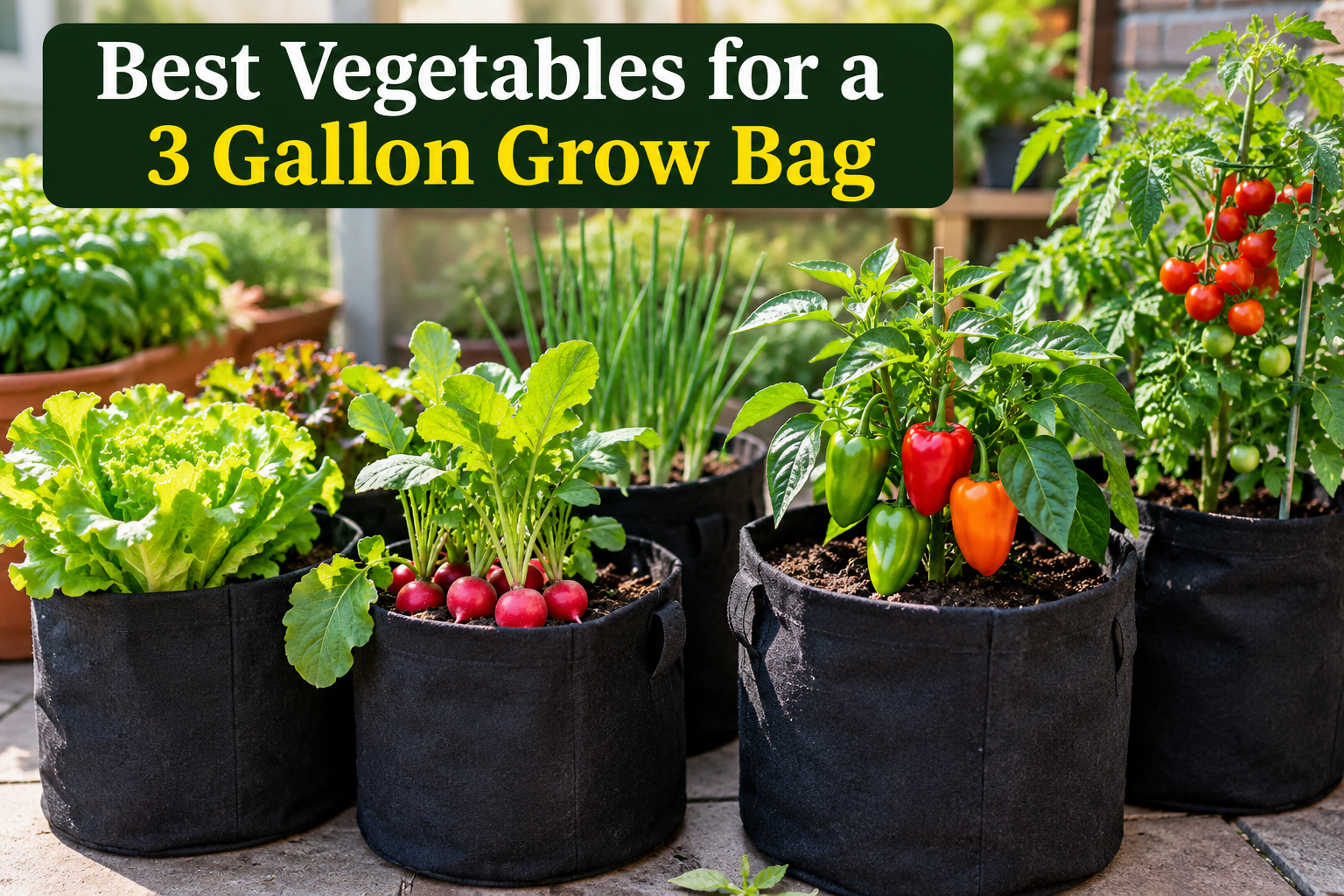
Container gardening is a popular choice for many homeowners in the USA, UK, and Canada because it allows people to grow vegetables, herbs, flowers, and decorative plants even in small spaces. However, buying fresh potting soil every growing season can become expensive. Many gardeners wonder if old soil from previous containers can be used again.
The good news is that you can reuse potting soil from last year’s containers if it is healthy and properly refreshed. Old potting mix still contains valuable organic material, minerals, and structure that can support new plant growth. With the right preparation, you can save money, reduce waste, and create a better gardening routine.
Learning how to reuse potting soil from last year’s containers involves checking the condition of the soil, removing old plant material, improving nutrients, and making sure the soil is safe for new plants.
Why Reuse Old Potting Soil?
Many gardeners throw away used container soil after one growing season, but this is often unnecessary. Quality potting soil can be reused several times when maintained correctly.
Reusing old potting soil has several benefits:
It saves money because you need less new potting mix.
It reduces garden waste and supports environmentally friendly gardening.
It allows you to recycle useful organic materials.
It helps maintain a sustainable container gardening system.
Plants remove some nutrients from soil during the growing season, but the basic structure of the potting mix often remains useful. By adding compost, nutrients, and fresh materials, old soil can become productive again.
Can You Reuse Potting Soil From Last Year?
Yes, you can reuse potting soil from last year’s containers, but it depends on the condition of the soil and the plants that grew in it.
Healthy soil from containers that held flowers, herbs, or vegetables can usually be refreshed and reused. However, soil from plants affected by serious diseases, pests, or fungal problems should be discarded.
Before reusing old soil, inspect it carefully. Good reusable potting soil should have a pleasant earthy smell, loose texture, and no signs of insects or mold.
Avoid reusing soil if you notice:
Strong rotten odors
White fungal growth covering the soil
Large numbers of pests
Diseased plant roots
Unusual discoloration
Using unhealthy soil can spread problems to new plants, making it better to start with fresh potting mix.
Steps for Reusing Potting Soil From Last Year’s Containers
Remove Old Plant Material
The first step is cleaning the soil. Remove old roots, stems, leaves, and any leftover plant debris from the container.
Dead roots break down over time, but large pieces can create uneven soil texture. Removing old material also helps reduce the chance of carrying pests or diseases into your new plants.
Use your hands or a small garden tool to loosen the soil and remove unwanted pieces.
Check the Soil Condition
After cleaning the soil, examine its texture and moisture level.
Old container soil often becomes compacted because repeated watering pushes particles together. Healthy potting soil should feel light and should allow air and water to move easily around plant roots.
If the soil feels hard or heavy, it needs improvement before planting again.
You can improve texture by mixing in:
Fresh compost
New potting mix
Coconut coir
Perlite
Well aged organic matter
These additions help restore drainage and improve root growth.
Refresh Nutrients in Old Soil
One of the biggest problems with reused potting soil is reduced nutrients. Plants consume nutrients throughout the season, leaving the soil less fertile.
Adding fresh organic materials helps restore the nutrients needed for healthy growth.
Good options include:
Compost
Worm castings
Aged manure
Organic fertilizer
Slow release plant food
Compost is especially useful because it adds nutrients while improving soil structure. Mix about one third fresh compost with old potting soil for better results.
Avoid adding too much fertilizer at once because concentrated nutrients can damage young plant roots.
How to Sterilize Old Potting Soil
If you are unsure whether old soil contains pests or disease organisms, sterilizing it can help make it safer for reuse.
There are several methods gardeners use to clean old potting soil.
Solarizing Soil
Solarizing uses sunlight to heat soil and reduce harmful organisms.
Place moist soil inside a clear plastic bag and leave it in direct sunlight for several weeks. The heat from the sun helps reduce insects, weed seeds, and some disease causing organisms.
This method works best during hot summer months.
Oven Method
Some gardeners heat small amounts of soil in an oven. The soil should be placed in a heat safe container and warmed carefully.
However, many people avoid this method because heated soil can create unpleasant smells indoors.
For most home gardeners, prevention and proper soil maintenance are easier than sterilizing large amounts of soil.
When You Should Not Reuse Potting Soil
Although reusing soil is beneficial, there are situations where replacement is the safer choice.
Do not reuse soil from containers where plants suffered from:
Severe fungal infections
Root rot
Bacterial diseases
Heavy pest infestations
Unknown plant problems
If a plant died unexpectedly and you are unsure why, replacing the soil is usually the best option.
Healthy plants need a clean growing environment, and starting fresh can prevent future problems.
How to Improve Old Potting Soil Before Planting
Refreshing old soil is not complicated. A few simple additions can transform tired potting mix into a healthy growing medium.
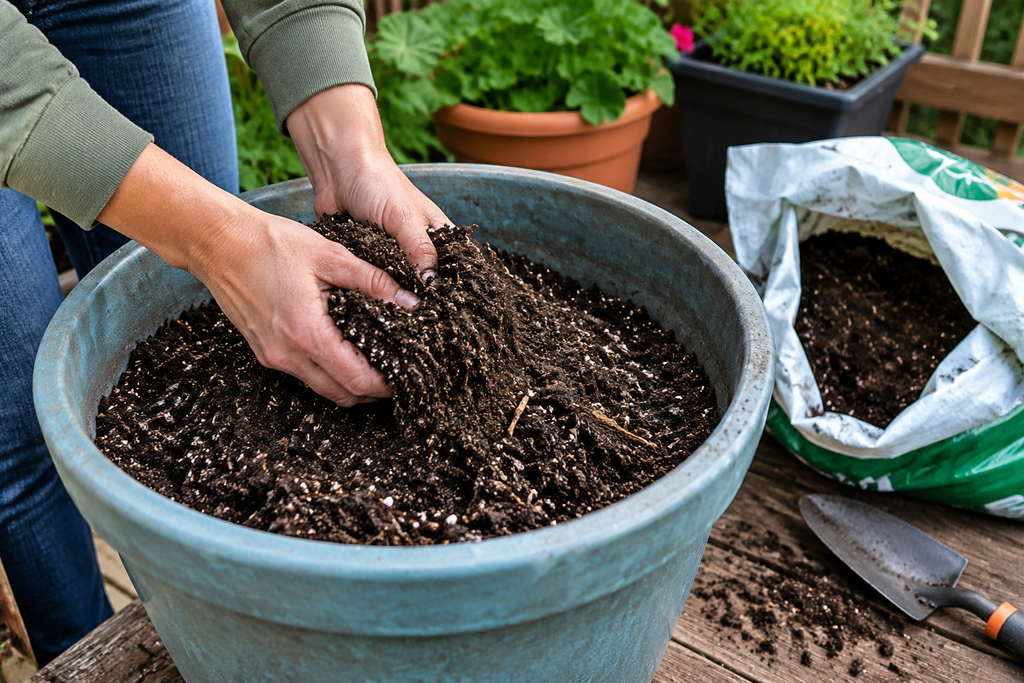
Start by mixing old soil with fresh ingredients. A common mixture includes:
60 percent reused potting soil
30 percent compost
10 percent drainage material such as perlite
This combination provides nutrients, moisture control, and enough air space for roots.
You can adjust the mixture depending on the plants you want to grow. Vegetables and flowering plants usually need richer soil, while herbs often prefer lighter soil with better drainage.
Add Fresh Potting Mix for Better Results
Although old soil can be reused, mixing it with fresh potting mix can greatly improve plant performance. Over time, container soil loses some of its lightweight structure because organic materials break down.
Fresh potting mix helps bring back the qualities that plants need, including:
Good drainage
Better air circulation
Improved moisture control
Healthy root development
When preparing containers for a new season, avoid filling them completely with old soil. A combination of reused soil and fresh ingredients creates a balanced growing environment.
This method works especially well for gardeners growing vegetables, flowers, and herbs in balconies, patios, and small backyard spaces.
Test Old Soil Before Replanting
Testing your reused potting soil can help you understand what it needs before planting.
A simple soil test can show nutrient levels and pH balance. Many garden centers and online gardening stores offer affordable soil testing kits.
Most container plants grow well in slightly acidic to neutral soil. If the pH level is too high or too low, plants may struggle to absorb nutrients.
Testing is especially helpful when growing plants that have specific soil requirements, such as blueberries, tomatoes, or ornamental flowers.
Best Plants to Grow in Reused Potting Soil
Many plants grow successfully in refreshed container soil. Some excellent choices include:
Lettuce
Radishes
Basil
Parsley
Marigolds
Petunias
Green onions
Peppers
Beans
When growing heavy feeding plants such as tomatoes, cucumbers, or peppers, add extra compost and organic fertilizer because these plants require more nutrients.
For plants that need fewer nutrients, reused potting soil with moderate improvements may be enough.
Avoid These Common Mistakes When Reusing Soil
Many gardeners make simple mistakes that reduce the quality of reused potting soil.
Understanding these problems can help you create healthier containers.
Using Soil Without Cleaning It
Plant roots, dead leaves, and old debris can attract pests and create unhealthy conditions. Always clean old soil before planting.
Forgetting to Add Nutrients
Old soil usually does not contain enough nutrients for another growing season. Adding compost or fertilizer is essential.
Using Too Much Old Soil
Using only old potting soil can lead to poor drainage and weak plant growth. Mixing it with fresh materials improves performance.
Reusing Soil From Diseased Plants
Disease affected soil can harm new plants. If you notice serious plant problems, replace the soil instead of reusing it.
Compacting Soil Inside Containers
Pressing soil tightly into pots reduces air spaces around roots. Always keep the soil loose and lightweight.
How Often Can You Reuse Potting Soil?
The number of times you can reuse potting soil depends on its quality and maintenance.
Well maintained potting soil can often be reused for several growing seasons. Gardeners who regularly add compost, organic matter, and fresh nutrients can extend the life of their soil.
However, container soil should not be reused forever without improvement. Each growing season removes nutrients and slowly changes the soil structure.
Refreshing the soil every year keeps plants healthier and prevents poor growth.
How to Store Used Potting Soil During Winter
Many gardeners in colder regions such as Canada, northern USA, and parts of the UK need to store container soil during winter.
Proper storage prevents moisture problems and keeps the soil ready for the next season.
Follow these steps:
Remove old plants and roots.
Break apart large soil clumps.
Allow excess moisture to dry slightly.
Store soil in clean containers or bags.
Keep stored soil in a dry covered area.
Avoid leaving old soil exposed to heavy rain or snow because excess water can make it compact and difficult to use later.
A garage, shed, or protected outdoor storage area can work well.
Sustainable Benefits of Reusing Container Soil
Reusing potting soil is not only practical but also environmentally friendly.
Millions of gardeners purchase bags of soil every year, and unused soil often ends up as waste. By refreshing old soil, gardeners reduce consumption and create a more sustainable growing system.
This practice supports eco friendly gardening by:
Reducing packaging waste
Lowering gardening expenses
Recycling organic materials
Making better use of existing resources
Small gardening habits can create positive environmental changes over time.
Frequently Asked Questions
Can I reuse potting soil from last year’s containers?
Yes, you can reuse potting soil from last year’s containers if it is free from diseases and pests. Refresh it by removing old roots and adding compost, nutrients, and fresh potting mix.
How do I know if old potting soil is still good?
Good reusable soil should have a fresh earthy smell, loose texture, and no signs of insects, mold, or disease. Soil that smells rotten or contains serious problems should be replaced.
Do I need to sterilize old potting soil before reuse?
Sterilizing is not always necessary. Healthy soil can usually be reused after cleaning and refreshing. Sterilization is mainly useful when you suspect pests or diseases.
Can I use old potting soil for vegetables?
Yes, old potting soil can be used for vegetables after adding fresh nutrients. Vegetables that produce fruits, such as tomatoes and peppers, need additional compost and fertilizer.
How much compost should I add to reused soil?
A common approach is mixing around one third compost with old potting soil. The exact amount depends on the condition of the soil and the needs of your plants.
Can old potting soil become harmful?
Old potting soil itself is not harmful, but soil containing diseases, pests, or chemical buildup can affect new plants. Always inspect and refresh soil before reuse.
Final Thoughts
Learning how to reuse potting soil from last year’s containers is a simple way to save money and create a more sustainable garden. Instead of throwing away old soil, gardeners can restore its quality with proper cleaning, nutrient replacement, and improved structure.
Healthy reused soil can support beautiful flowers, fresh vegetables, and productive herb gardens when prepared correctly. The key is understanding that old potting soil is not finished after one season. With a little care, it can become a valuable resource for future gardening projects.
Whether you grow plants on a balcony, patio, or backyard, refreshing old container soil is an affordable and environmentally friendly habit. By following the right steps, you can enjoy healthier plants while reducing waste and making the most of every gardening investment.