Related Articles
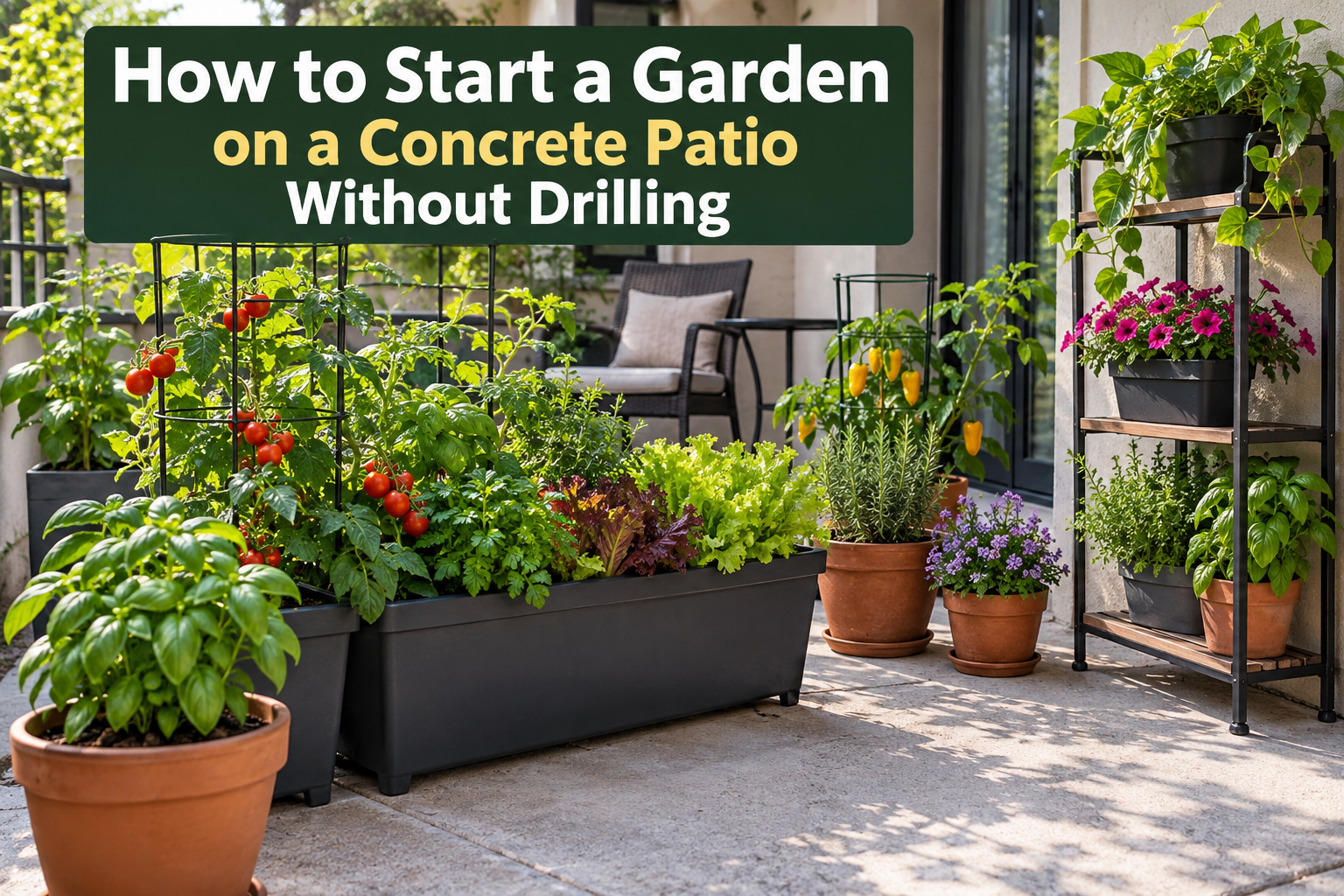
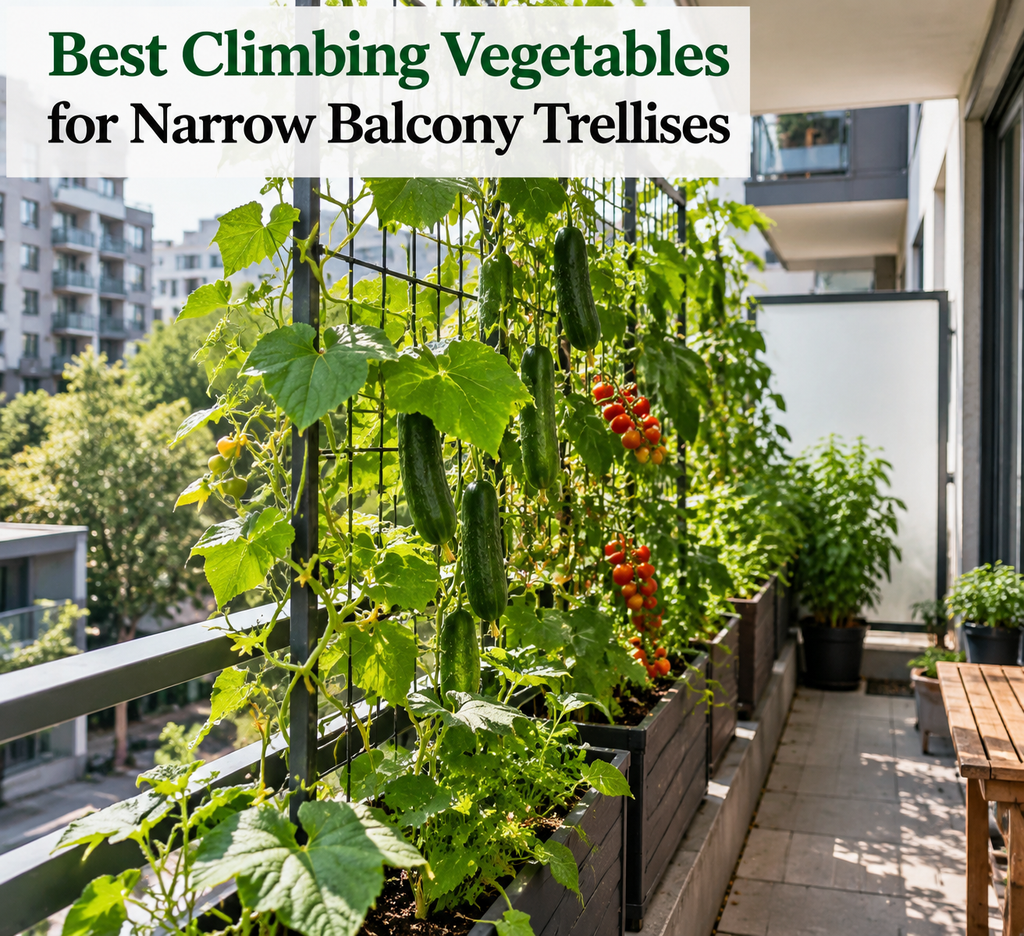
Growing vegetables on a narrow balcony can feel challenging when floor space is limited, but vertical gardening makes it possible to enjoy fresh produce even in small urban homes. By using narrow balcony trellises, gardeners can grow climbing vegetables upward instead of spreading plants across limited space. This approach works especially well for apartments, condos, and small homes in cities across the USA, UK, and Canada.
The best climbing vegetables for narrow balcony trellises are plants that naturally grow upward, produce plenty of harvests, and adapt well to containers. Vegetables such as beans, cucumbers, peas, and certain tomato varieties can transform a small balcony into a productive green garden.
Vertical gardening not only saves space but also improves air circulation, makes harvesting easier, and creates a beautiful natural screen for balconies. With the right containers, sunlight, soil, and support system, anyone can grow fresh vegetables without needing a large backyard.
Why Choose Climbing Vegetables for a Narrow Balcony?
Traditional vegetable gardens usually require wide planting areas, which many apartment residents do not have. Climbing vegetables solve this problem by using vertical space. Instead of allowing plants to spread across the floor, trellises guide their growth upward.
A narrow balcony trellis can support plants while keeping walkways clear and organized. This makes it easier to grow vegetables in compact areas where every inch matters.
Another benefit of climbing vegetables is higher productivity. Many climbing plants continue producing vegetables throughout the growing season when they receive proper care. A single container with a strong trellis can provide a surprising amount of fresh food.
Vertical gardens also add beauty and privacy. Green vines growing along a balcony railing can create a peaceful outdoor environment while reducing visibility from nearby buildings.
How to Select the Right Climbing Vegetables
Not every climbing vegetable is suitable for a narrow balcony. The best choices should have a manageable growth habit, strong container performance, and good production in limited space.
Before choosing vegetables, consider these important factors:
Available Sunlight
Most climbing vegetables need at least six hours of sunlight daily. Balconies facing south or west usually receive stronger sunlight, making them ideal for vegetable gardening.
If your balcony receives less sunlight, choose vegetables that tolerate partial shade, such as peas or certain leafy climbing varieties.
Container Size
Climbing vegetables need enough root space to grow successfully. Choose containers that are deep enough and provide proper drainage.
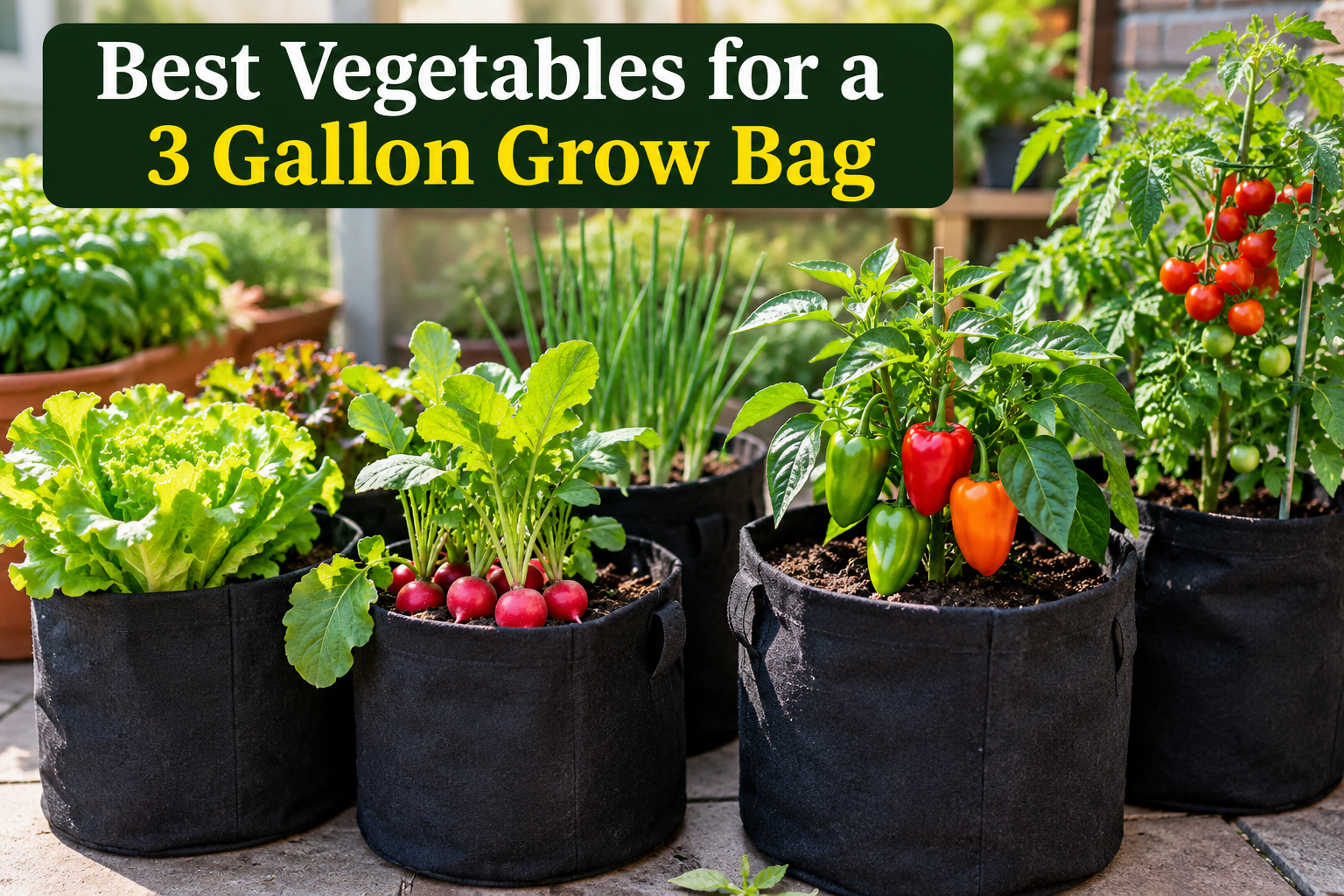
Large pots, grow bags, and vertical planters work well for balcony vegetable gardening.
Trellis Strength
A good trellis is essential because climbing vegetables can become heavy when covered with leaves and produce. Use strong materials such as wood, metal, or durable plastic supports.
The trellis should be firmly attached and able to handle wind conditions, especially on high rise balconies.
Best Climbing Vegetables for Narrow Balcony Trellises
1. Climbing Beans
Climbing beans are among the best choices for narrow balcony trellises because they grow vertically and produce a large harvest in a small area.
Pole beans naturally wrap around supports and continue growing upward. They can reach several feet tall while using very little floor space.
Beans grow well in containers and usually start producing quickly. Regular harvesting encourages the plant to create more beans throughout the season.
Popular climbing bean options include green beans, runner beans, and yard long beans. They are suitable for gardeners in different climates and can perform well during warm growing seasons.
For the best results, provide a tall trellis, rich soil, and consistent watering. Beans also improve soil quality by adding nitrogen, making them beneficial for future plantings.
2. Climbing Cucumbers
Cucumbers are another excellent choice for narrow balcony trellises. Instead of allowing cucumber vines to spread across the ground, vertical supports help them grow upward.
Climbing cucumbers save considerable space and produce cleaner fruits because the vegetables stay away from wet soil.
Choose compact cucumber varieties designed for containers. These types are better suited for balconies because they produce healthy crops without becoming difficult to manage.
Cucumbers require regular watering because their fruits contain a high amount of water. Keeping soil consistently moist helps prevent bitter tasting cucumbers.
A strong trellis is important because mature cucumber plants become heavy. Supporting vines properly also improves airflow and reduces the chance of plant diseases.
3. Peas
Peas are one of the easiest climbing vegetables for beginners. They grow well in cooler temperatures, making them a great choice for gardeners in regions with mild springs.
Pea plants naturally climb using small tendrils that attach to supports. They do not require complicated training and can quickly cover a narrow trellis.
Sugar snap peas, snow peas, and garden peas are popular options for balcony gardens.
Peas are especially useful for small spaces because they produce edible pods while taking up minimal room. They also add attractive green foliage to balconies.
For gardeners in colder areas of Canada and the UK, peas are an excellent early season vegetable.
4. Climbing Tomatoes
Although many tomato plants grow as bushes, certain varieties naturally perform better with vertical support. Indeterminate tomatoes continue growing upward and benefit from trellises or cages.
Climbing tomatoes are ideal for balconies because they use height rather than width. With proper support, they can produce many tomatoes from a single container.
Cherry tomatoes are especially popular because they grow quickly and provide continuous harvests.
Tomatoes require plenty of sunlight and regular feeding. A large container with nutrient rich soil will help the plant stay healthy throughout the growing season.
Training tomato vines along a trellis keeps the balcony cleaner and makes harvesting easier.
5. Malabar Spinach
Malabar spinach is a fast growing climbing vegetable that works well in warm climates. Unlike traditional spinach, it grows on vines and can cover vertical supports quickly.
This plant produces thick green leaves that can be used in salads, soups, and cooked dishes.
Malabar spinach performs well in containers and enjoys warm weather. It is a great option for gardeners who want a leafy vegetable that also creates attractive balcony greenery.
Because it grows aggressively, regular trimming helps maintain a neat appearance on narrow balconies.
6. Climbing Squash Varieties
Many people avoid growing squash on balconies because traditional squash plants can spread widely. However, certain climbing squash varieties are much better suited for vertical gardening.
Climbing squash can grow along strong trellises and produce delicious fruits while using less ground space. These varieties are especially useful for gardeners who want larger vegetables but have limited balcony space.
A sturdy support system is necessary because squash fruits can become heavy. Gardeners can use soft plant ties or fabric supports to help hold developing fruits safely.
Choose compact climbing squash varieties and provide a large container filled with quality potting mix. Regular feeding during the growing season helps maintain strong vines and healthy production.
7. Yard Long Beans
Yard long beans are excellent climbing vegetables for narrow balcony trellises because they grow tall and produce long edible pods.
These plants are naturally designed for vertical growth and can reach impressive heights without taking much space. They are particularly suitable for warm climates and sunny balconies.
The vines quickly cover trellises, creating a green wall effect while producing fresh vegetables throughout the season.
Harvesting yard long beans regularly encourages the plant to continue producing new pods. With proper sunlight, watering, and support, one container can provide a generous harvest.
8. Bitter Melon
Bitter melon is a climbing vegetable that works surprisingly well in vertical balcony gardens. It produces attractive vines, unique flowers, and nutritious fruits.
This plant naturally climbs using tendrils and can easily attach itself to a trellis. Because the growth pattern is vertical, it is a practical option for narrow balconies.
Bitter melon prefers warm weather and plenty of sunlight. It grows best in larger containers with good drainage.
Although the vegetable has a strong taste, many gardeners appreciate it because of its nutritional value and unique appearance.
9. Climbing Zucchini
Traditional zucchini plants need a lot of horizontal space, but some climbing varieties are designed for vertical growth. These plants can be trained upward with proper support.
Climbing zucchini allows small space gardeners to enjoy fresh zucchini without sacrificing valuable balcony space.
The vines need regular guidance during early growth. Once established, they can create an attractive vertical display with large leaves and bright flowers.
A deep container, rich soil, and consistent watering will help climbing zucchini perform well.
10. Hops and Vegetable Like Climbers for Decorative Gardens
While hops are not a vegetable, some gardeners use fast growing climbing plants alongside vegetables to create attractive balcony spaces.
These plants can provide additional greenery and privacy while climbing over narrow trellises. However, when the main goal is food production, vegetable climbers should remain the priority.
Combining edible climbing plants with decorative climbers can create a balanced balcony garden that looks beautiful throughout the year.
Tips for Growing Climbing Vegetables on Balcony Trellises
Use Vertical Space Efficiently
The main advantage of narrow balcony trellises is the ability to grow upward. Place taller plants toward the back and shorter container plants in front.
Avoid overcrowding because climbing vegetables still need enough sunlight and airflow.
A well planned arrangement allows multiple plants to grow together without competing for resources.
Choose the Right Containers
Container size plays an important role in balcony vegetable gardening. Small pots can limit root development and reduce harvest.
Most climbing vegetables perform better in containers that are at least 12 inches deep. Larger containers provide more stability and hold moisture longer.
Make sure every container has drainage holes to prevent root problems.
Provide Strong Support
A weak trellis can break under the weight of mature plants. Always choose supports that match the expected size of the vegetable.
Metal grids, wooden frames, bamboo structures, and wall mounted trellises are common choices.
Secure the trellis properly, especially if your balcony receives strong winds.
Maintain Proper Watering
Container vegetables dry out faster than plants grown in the ground. Regular watering is important during hot weather.
Check the soil moisture frequently and water when the top layer feels dry.
Adding mulch around the base of plants can help retain moisture and reduce temperature changes.
Feed Plants Regularly
Climbing vegetables produce many leaves and fruits, so they require nutrients throughout the growing season.
Use compost, organic fertilizer, or vegetable specific plant food to support healthy growth.
Avoid excessive fertilizer because too much nitrogen can encourage leaves instead of vegetables.
Common Mistakes to Avoid
Choosing Plants That Grow Too Large
Some vegetables naturally spread widely and may become difficult to manage on a narrow balcony.
Always select varieties suitable for containers and vertical gardening.
Ignoring Weight Support
Heavy fruits and dense vines can put pressure on trellises. Check supports regularly and strengthen them when needed.
Planting Without Enough Sunlight
Most climbing vegetables need good sunlight for strong growth. A shaded balcony may require choosing more suitable plants like peas or leafy climbers.
Overcrowding Containers
Too many plants in one pot compete for water, nutrients, and sunlight.
Give each plant enough room to grow properly.
Benefits of Growing Climbing Vegetables on a Balcony
Growing vegetables vertically offers many advantages beyond saving space.
Fresh homegrown produce can reduce grocery costs and provide healthier food options. Balcony gardening also creates a relaxing hobby that connects people with nature.
For urban residents in the USA, UK, and Canada, where outdoor space is often limited, vertical vegetable gardening provides an effective solution.
A green balcony can also improve the appearance of an apartment and create a comfortable outdoor area.
Frequently Asked Questions
What are the best climbing vegetables for narrow balcony trellises?
The best climbing vegetables for narrow balcony trellises include climbing beans, cucumbers, peas, tomatoes, yard long beans, bitter melon, and compact squash varieties. These plants grow vertically and produce good harvests without requiring large spaces.
Can climbing vegetables grow in containers?
Yes, many climbing vegetables grow successfully in containers. Choosing the correct pot size, quality soil, and proper support system helps plants develop strong roots and healthy vines.
How tall should a balcony trellis be?
The ideal trellis height depends on the vegetable variety. Many climbing vegetables perform well with supports between four and eight feet tall.
Do balcony vegetables need full sunlight?
Most climbing vegetables need around six hours of sunlight daily. However, some varieties such as peas can tolerate partial shade.
How often should balcony climbing vegetables be watered?
Container vegetables usually need frequent watering, especially during warm weather. Check soil moisture regularly and avoid allowing containers to completely dry out.
Can I grow climbing vegetables on an apartment balcony?
Yes, apartment balconies can support many climbing vegetables. Use lightweight containers, secure trellises, and suitable plant varieties for successful results.
Conclusion
Creating a productive balcony garden is possible even when space is extremely limited. The best climbing vegetables for narrow balcony trellises allow gardeners to use vertical space efficiently while enjoying fresh homegrown produce.
Plants like beans, cucumbers, peas, tomatoes, and other climbing vegetables can transform a small balcony into a beautiful and practical garden. With the right containers, sunlight, watering routine, and strong support system, anyone can grow vegetables successfully.
Vertical gardening is an excellent solution for apartment residents who want the benefits of gardening without needing a large yard. A carefully planned narrow balcony trellis garden can provide fresh vegetables, attractive greenery, and a rewarding gardening experience throughout the growing season.