Related Articles
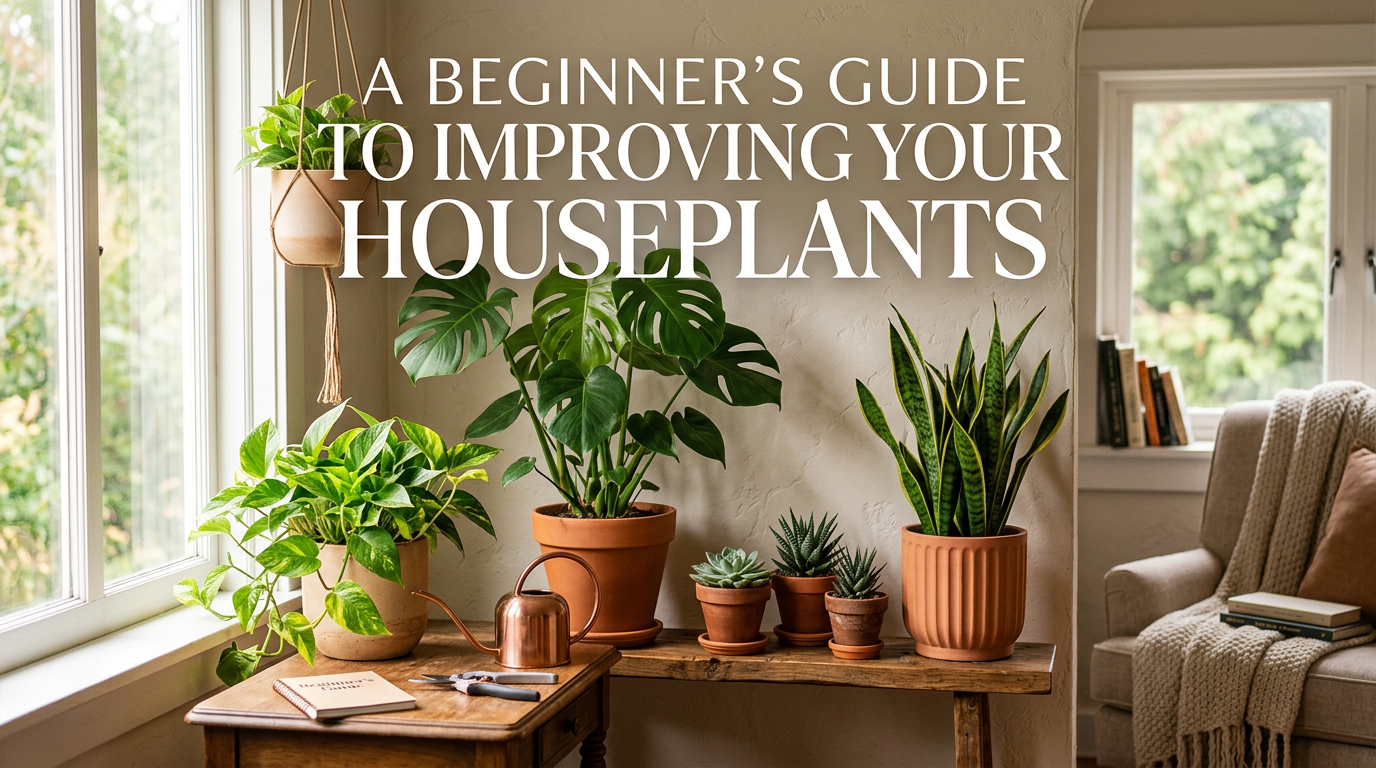
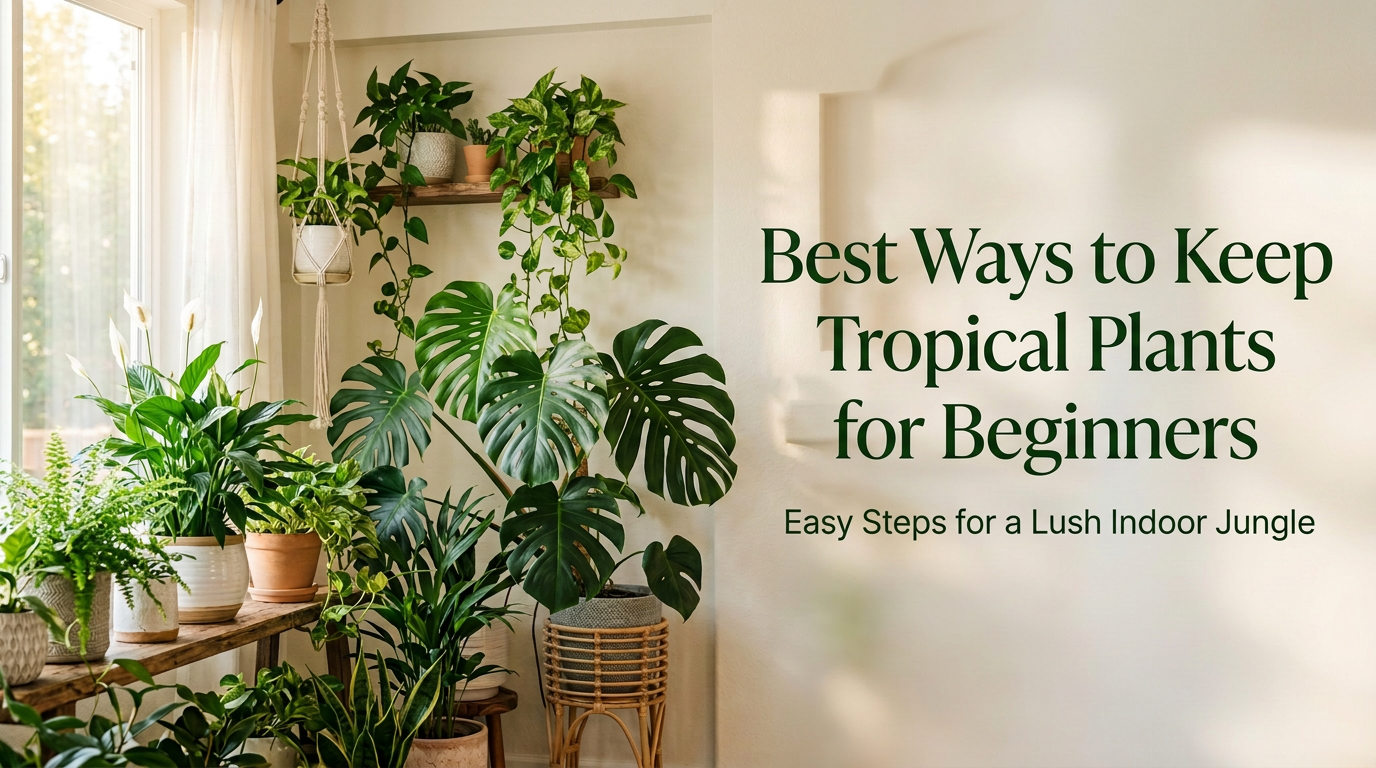
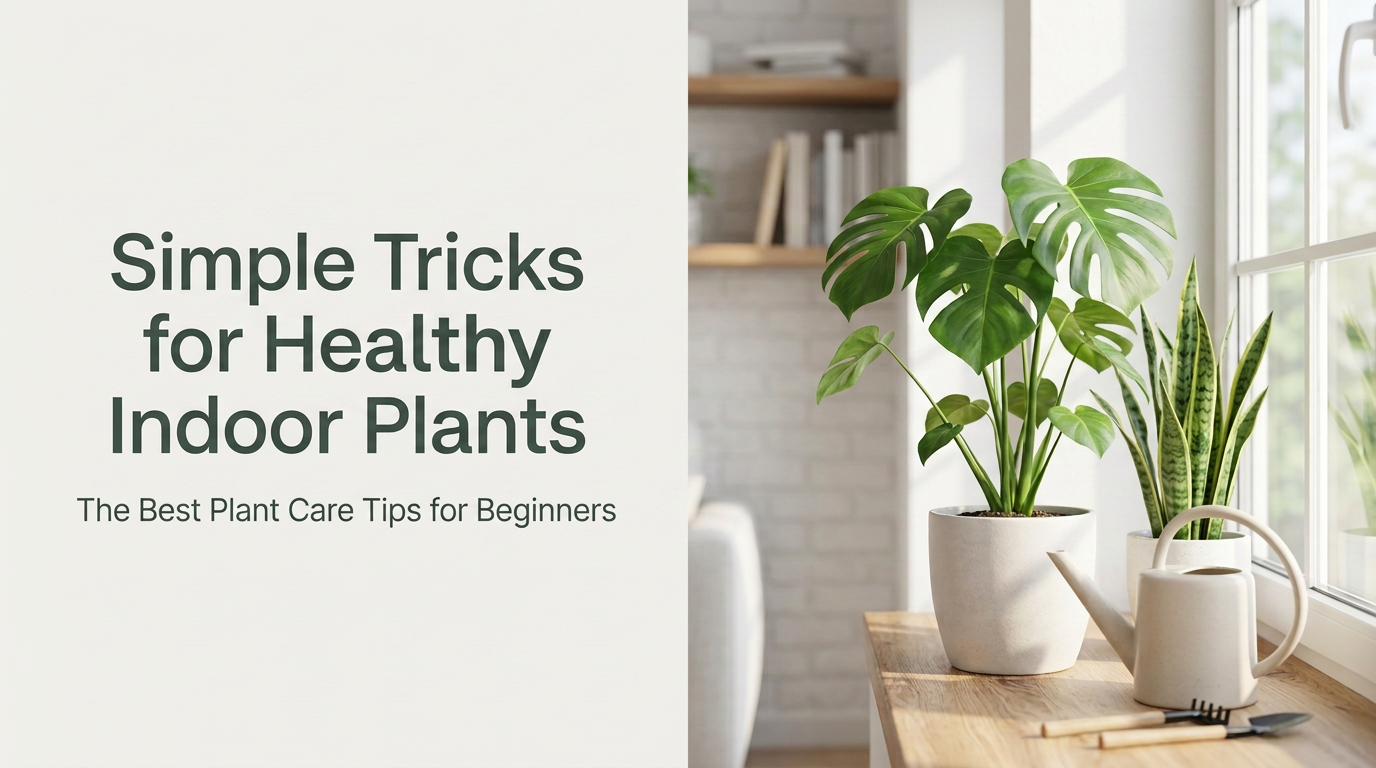
Tropical plants transform a space like nothing else. A shiny leaf or a spill of green vines can make a simple area feel serene and inviting. But many a novice feels they simply don’t have a green thumb after they bring home a lovely plant only to watch it suffer a few weeks later. The truth is far more compassionate. Tropical plants are not hard, just different. They are native to warm and humid climates with consistent rain and filtered sunlight. Once you understand their preferences, caring for them is easy and even soothing.
This manual is about the most influential habits. You will learn how to choose forgiving plants, give them the right amount of light and water, encourage a healthy root environment and deal with the minor problems that all plant owners face. Take your time, learn each section and remember that all seasoned gardeners have killed a few plants along the way.
Begin With Plants That Tolerate Errors
To improve your performance the fastest way is to start off with the right plants. Some tropical varieties are renowned for being forgiving, meaning you can grow them without being penalised for every little slip up. Great plants to start off with include pothos, snake plants, ZZ plants, spider plants, peace lilies, philodendrons and rubber plants. They bounce back immediately from neglect, adapt well to the average indoor environment and are very clear when something needs to change.
Avoid finicky plants that require exact humidity and watering, like calathea, maidenhair fern or orchids. These plants are great, but can very quickly scare off a beginner gardener. Start with easy kinds to build your confidence, add harder kinds when you feel ready.
Make sure you check everything before you buy. Healthy plants will have firm stems, uniform coloured leaves and new growth. Check the undersides of the leaves for small insects and sticky residue. Gently check the surface of the soil for mould or a bad smell. A good start can save you months of heartache.
Before anything else, understand light.
Light is fuel for tropical plants and is the most common mistake of beginners. In the wild many tropical plants grow in the shade of the dense canopy of taller trees. They get strong filtered light instead of the harsh direct sun beating on their leaves for hours. So you’ll find the words “bright indirect light” on just about every plant tag.
Bright indirect light is a spot near a window where the plant can see lots of sky, but where the sun does not shine on its leaves for long stretches of time. Usually a spot a few feet away from a west- or south-facing window is best. An east-facing window is gentle and safe for most plants. Shade-loving plants, such as pothos, ZZ plants and snake plants, will flourish in the softer light of a north-facing window.
Your plant will let you know if there is a problem with the light. If the plant has long, stretched stems, large spaces between leaves and pale new growth it is looking for more light. Brown spots that are burnt, crisp edges and bleached foliage are all signs that the sun is too strong. If you’re unsure, try the hand test. In the middle of the day put your hand between the plant and the window. A sharp dark shadow is a sign of bright light, while a soft vague shadow is a sign of medium light.
Rotate your plants a quarter turn every week or two so that all sides get equal amounts of light. This little practice keeps the form balanced and full and stops leaning. In winter, when days are shorter, move plants closer to windows and clean the glass so that they get more light. If your home is dark, a basic full spectrum grow light set above the plant for eight to twelve hours a day can make a significant difference.
Use water wisely, not often
More tropical plants die from over-watering than under-watering. Newcomers often water their plants on a rigid schedule out of pure love for them, whether the soil needs it or not. Roots need moisture and oxygen . If the soil is always wet the air is pushed out and rot follows .
Water based on soil moisture, not the calendar. Stick your finger down into the ground about two inches. If it feels dry at that depth, it is generally time to water. If it looks moist give it a couple more days. Succulent plants such as snake plants and ZZ plants should be watered when the soil is almost dry.
If you irrigate, be sure to irrigate thoroughly. Gently drain the water from the bottom drainage holes until the pot is completely drained. About 15 minutes later, empty the saucer so the roots don’t sit in water. A light sprinkle just moistens the top layer of soil, which encourages weak, shallow roots.
Learn to read the leaves. Yellow mushy leaves with a musty smell are usually a sign of over-watering. If the plant is thirsty the leaves will be drooping, dry and crispy. Wilting that continues even in moist soil can be a sign of root damage. Water quality is important too. Wherever possible use filtered or collected rainwater or leave heavily treated or very hard tap water in an open container overnight. Use room temperature water, as cold water can shock tropical roots.
Choose the Right Pot and Soil
Healthy growth begins below the surface. Most tropical houseplants prefer a loose, airy mixture that holds some moisture but drains quickly. > A good indoor potting mix is a great start, but you can easily improve it with more drainage. Adding perlite, gritty sand or orchid bark creates air pockets that keep the roots healthy. A basic recipe for plants like Philodendron and Monstera is two parts potting mix, one part perlite, and one part bark.
Add extra grit and use a cactus mix for plants like ZZs and snake plants that don’t like damp feet. For moisture-loving plants, such as peace lilies, a mix with a bit more peat or coco coir keeps the soil consistently moist, without becoming heavy.
The soil is just as important as the pot. Always use a pot with drainage holes. You can cover it with a nice decorative pot without holes but keep the plant in a regular nursery pot so you can lift it out and drain it after watering. Pick a pot only a couple of inches wider than the root ball. A pot that is too large holds extra moist soil that the roots cannot use and this moisture remains and causes rot. Terracotta pots breathe and dry out faster, which is good for beginners who tend to overwater, but plastic pots hold moisture better and are better for thirstier plants.
Make The Warmth And Humidity They Crave
Warm and moist atmosphere is good for tropical vegetation. Most do best at temperatures between about 65 and 80 degrees Fahrenheit (18 to 27 degrees Celsius). In winter, keep them away from doors opening to the outdoors, air conditioner vents, heaters and cold drafts. They hate sudden changes. If a plant suddenly drops leaves after you move it, it is often a reaction to a temperature shock.
Humidity is slightly more difficult. Rainforest plants require humidity of fifty percent or more, but many dwellings have humidity of thirty percent or less. Dry air is indicated by brown tips on leaves, curling edges and spider mite webbing. You don’t need fancy equipment to help. Plants that are clustered together will exude water vapour from their leaves to create a little pocket of wetness. You can raise humidity slightly by putting a tray of water and pebbles under the pot. Make sure the pot sits on top of the pebbles and not in the water.
If you have a lot of moisture-loving plants, a small room humidifier is the most reliable way. Ferns and calatheas do well in naturally humid bathrooms and kitchens with lots of windows. Misting leaves only gives a temporary boost and can encourage fungal patches, so it’s better to use grouping, trays or a humidifier.
Feed your plants properly, and do it with care
Fertiliser is to plants what vitamin supplement is to people. It helps grow bigger leaves and stronger stems but too much of it can burn the roots and do more harm than good. A common beginner mistake is believing that more food leads to faster development. This causes dark leaf edges and white, crusty salts on the soil.
Select a balanced liquid fertiliser for houseplants and dilute it to half the strength that is recommended on the label. Feed plants monthly in the spring and summer when actively growing. In autumn and winter, growth slows down, so reduce feeding or stop altogether until spring. Always water the plant gently before you fertilise it, so the roots aren’t shocked by concentrated nutrients.
Slowly run a lot of plain water through the pot and let it drain if you notice a white crust on the surface of the soil. Excess salts are removed in the process. Slow-release granules and organic options such as diluted compost tea or worm castings are also gentle solutions that feed plants gradually, rather than all at once.
Pruning, cleaning and repotting with confidence
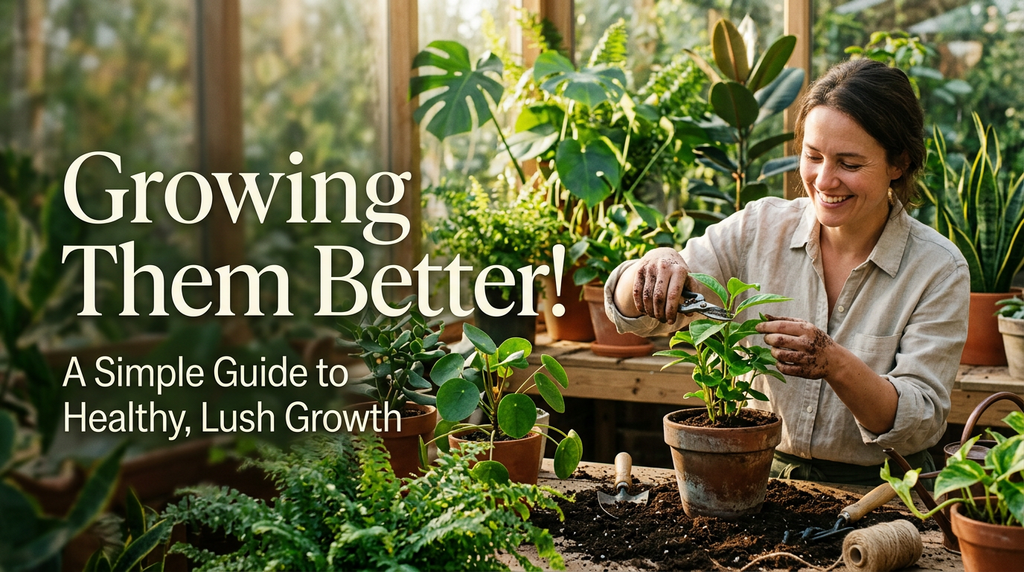
Routine grooming keeps tropical plants healthy and attractive. One of the better ways to encourage fuller growth is pruning, but it can be intimidating at first. Use clean scissor to cut off any yellow, brown or damaged leaves. By cutting just above a leaf node on a vining plant, such as a philodendron or pothos, you’ll encourage the plant to develop more branches. The result is a bushier plant, rather than a long, skinny vine. To grow new plants for free, put the cuttings in a glass of water until they have roots, then plant them.
Dust blocks the light and clogs the microscopic pores through which leaves breathe. Every few weeks, use a soft, moist cloth to wipe large leaves gently. Wash smaller plants in the shower with lukewarm water. Clean leaves are shiny and new-looking, and they reflect light better.
Repotting allows for root growth. Most tropical plants need to be repotted every one to two years. Signs it’s time are roots coming out the drainage holes, roots tightly circling the soil, water running right through without soaking in, or stopped growth. Spring is the ideal time for repotting. Gently loosen the root ball and cut off any black or mushy roots. Put the plant into a pot one size larger, fill with fresh soil and give lots of water. Keep it out of direct sunlight for a week to let it settle.
Catch Pests and Problems Early
It’s a good idea to check your collection once a week, because even healthy plants can sometimes pick up bugs. Mealybugs, scale, fungus gnats and spider mites are the most frequent visitors. Spider mites leave behind speckled leaves and fine webs. Mealybugs like little bits of white cotton, nestled inside the joints of leaves and stalks. Scale are little brown pimples on the stems and fungus gnats are tiny flies that buzz around damp soil.
When you see them, act on them immediately. Move the affected plant away from the others because bugs spread quickly. You can use a cotton swab dipped in a bit of rubbing alcohol to wipe off mealybugs, or a cloth dipped in mildly soapy water to wipe off leaves. Sprays of neem oil and insecticidal soap are gentle solutions that work well if sprayed once a week for several weeks. To trap adult fungus gnats, set out yellow sticky traps and let the soil dry out more between waterings.
Easier to prevent than to cure. Make sure your plants have some air circulation. Keep the leaves clean. Don’t overwater. Quarantine each new plant for two weeks before you put it near the others. A small fan on low in a stuffy environment can help with the fungus and bug problems.
Modify Your Care As The Seasons Change
Even indoors tropical plants have a rhythm. They grow more vigorously, drink more water and value fertiliser in spring and summer.’ In autumn and winter they slacken and rest. If you keep watering and feeding it at summer levels all winter, the plant can’t use the extra moisture and rot is more likely.
In warm months check the soil more often and in cold months check it less often. In winter, keep plants away from heaters that dry the air and away from cold windows at nite. In summer, if you take them out on a patio or balcony, protect them from the intense heat of the afternoon and introduce them gradually to avoid sunburn. They are protected by being brought inside before it gets cold at nite.
Common Mistakes Beginners Make
Most plant problems are caused by a few minor behaviours. The first is over watering which we have talked about and the second is putting plants in the wrong lighting simply because it looks good. The third is the movement of plants. It is continuous. Select a good spot and allow the tropical plants to settle into their new surroundings. Using containers without drainage holes is a common mistake that quietly collects water around the roots.
Plus a lot of newbies lose too fast. When a plant loses a few leaves after being transplanted to a new location, it’s typically adjusting, not dying. Be patient, be consistent in your care, and only change one thing at a time to see what worked.” You can know more about your plants than any guide by just keeping a note on your phone when and how to water them.
Closing thoughts
If you are a beginner, there is no need for complicated methods or expensive gadgets to enhance your tropical plants. It all comes down to watching a few basics: constant, light feeding, a nice temperature, a little humidity, airy soil, brilliant but gentle light and careful watering. Regular grooming and a quick insect check once a week will pay dividends in strong stems, handsome foliage and new growth.
Enjoy the process, start small and learn to listen to what each plant is trying to tell you. Every new leaf is proof that you are on the right track. With patience and observation, your house can become the lush, peaceful tropical paradise you envisioned when you first brought home that first plant.