Related Articles
Starting a garden can be intimidating if you’ve never grown anything. In what location do you plant things? How do you decide what to plant? And how do you go from a depressing, withering, drooping mess to the flourishing garden of your dreams?
Rescued by Window Boxes!
Fortunately, window boxes ease the most of those concerns for novices. They are manageable, small, and simple to modify. If you’re new to planting, a window box is perfect for the following reasons:
Big impact, limited space: No ground floor or backyard? No issue! All you need is a windowsill and a small amount of railing space.
Simple upkeep: Watering, trimming, and harvesting plants are easy with a window box because they are easily accessible.
Quick results: It can take a while for large gardens to take shape. The moment your plants are planted in a window box, your room will change.
Flexibility: You can change out plants whenever you’d like because they’re little and easily accessible.
Selecting the Appropriate Window Box
It’s helpful to know what kinds of window boxes are available before learning how to plant one. The type you select will be determined by:
- Material for Window Boxes
You can get the biggest assortment of window boxes on the internet when you purchase at Windowbox.com. This implies that you will have a plethora of choices in a variety of materials:
Vinyl and PVC are excellent, low-maintenance options that are usually less expensive.
Fiberglass and fiberstone: These window boxes come in a variety of colors, finishes, and styles and are lightweight and incredibly durable.
Wood: Stylish and long-lasting, cedar window boxes can be painted to blend in with your exterior and offer a cozy touch.
Metal: These window boxes, which range from sophisticated copper to rustic wrought iron to modern galvanized metal, stand out while performing admirably.
2. Size and Style
Think about the design of your house and the available area when choosing your first planter and learning how to start a window box.
Modern homes tend to appear best with simple, clean lines, while classic settings benefit from the use of imitation wood or stone. For appropriate proportions, boxes should be a little bit longer than the window underneath them.

- Mounting and Watering Choices
Some practical issues are addressed in the following window box planting considerations. Mounting hardware comes first. You’ll need strong brackets to sustain the weight of full planters because they may get hefty. Make sure you order the appropriate selections for the type of material used to build your home.
When it comes to watering, having a self-watering reservoir may eliminate a lot of uncertainty. They keep soil continuously moist, which is perfect for folks with hectic schedules who might not always remember to water their plants.
How to Plant a Window Box: A Comprehensive Guide
The real fun is about to begin! The finest part about planting window boxes for novices is getting hands-on with the details once your planter is set up.
- Include the potting mix
When starting a window box, what is the first major DON’T? Don’t simply add dirt from your yard to your planter. To keep your plants healthy and nourished, use a lightweight potting mix and a slow-release fertilizer. - Select and Organize Your Plants
Do you know what “thriller, spiller, filler” means? It’s a window box recipe that both novice and expert gardeners may use; it’s not a horror film. This is the answer if you’re scared about the “what” of planting a window box!
Thriller: For height, choose a tall, striking plant. Geraniums are a fantastic choice for a floral window box. Dill or rosemary give a vertical punch to a herb box.
Spiller: These plants will gracefully flow over the boundaries of your window box because they have a tendency to spread horizontally. Consider creeping thyme as a prolific herb and trailing verbena for its masses of huge, vivid flowers.
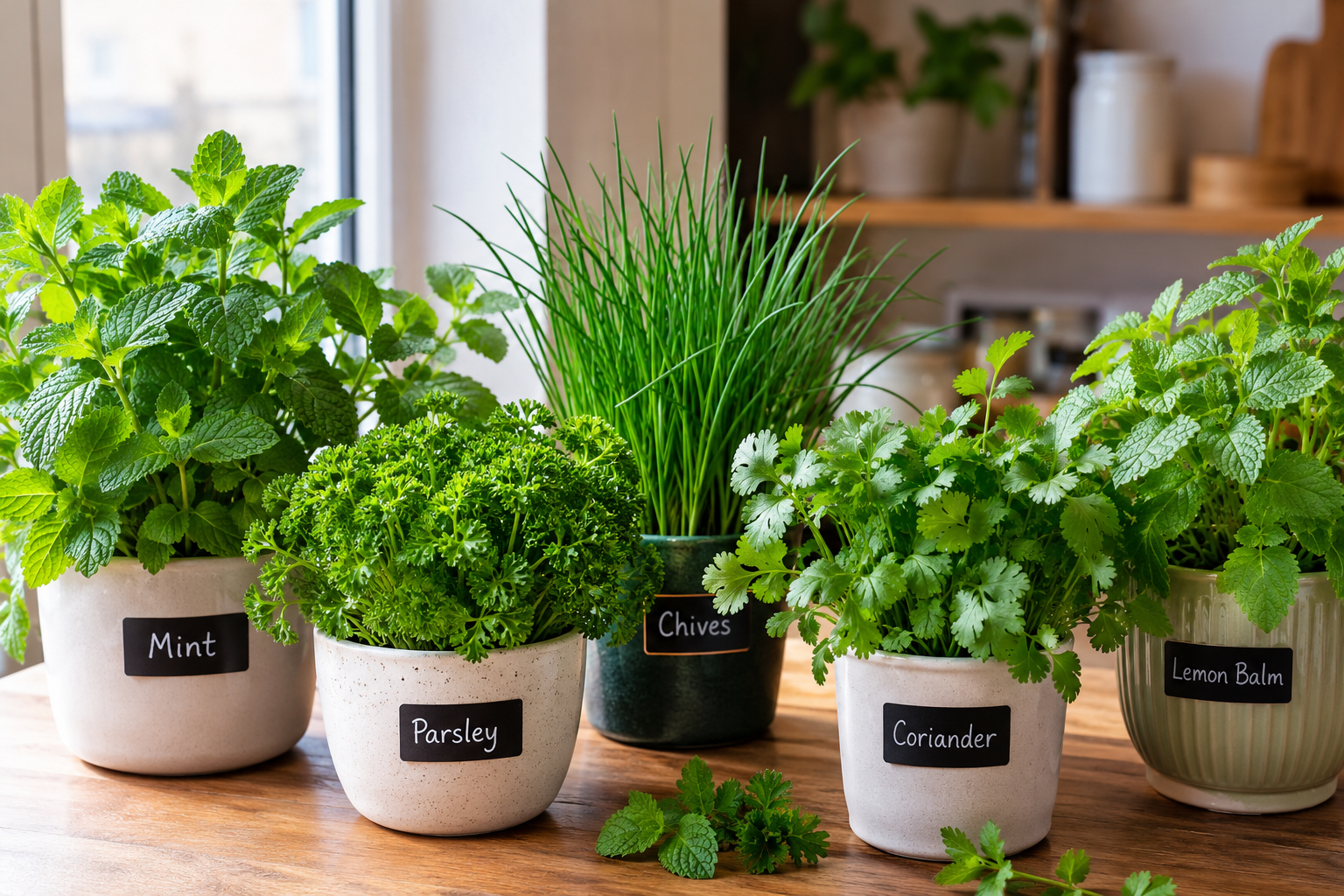
Filler: It’s simple for novice window box planters to underestimate the significance of fillers. However, planters may appear sparse without them. In flower boxes, include petunias or periwinkles; in a herb box, think of oregano or basil.
4. Water and Plants
Overcrowding is a common mistake made when learning how to grow a window box. To allow plants to develop, make sure there is some space between them.
Once everything is set up, water thoroughly and fill your self-watering reservoir. If you are watering on your own, don’t forget to check for dry soil.
- Provide and Sustain
Apply a balanced fertilizer every few weeks since well-fed plants flourish. To promote new blooms, remove any dead flowers.