Related Articles
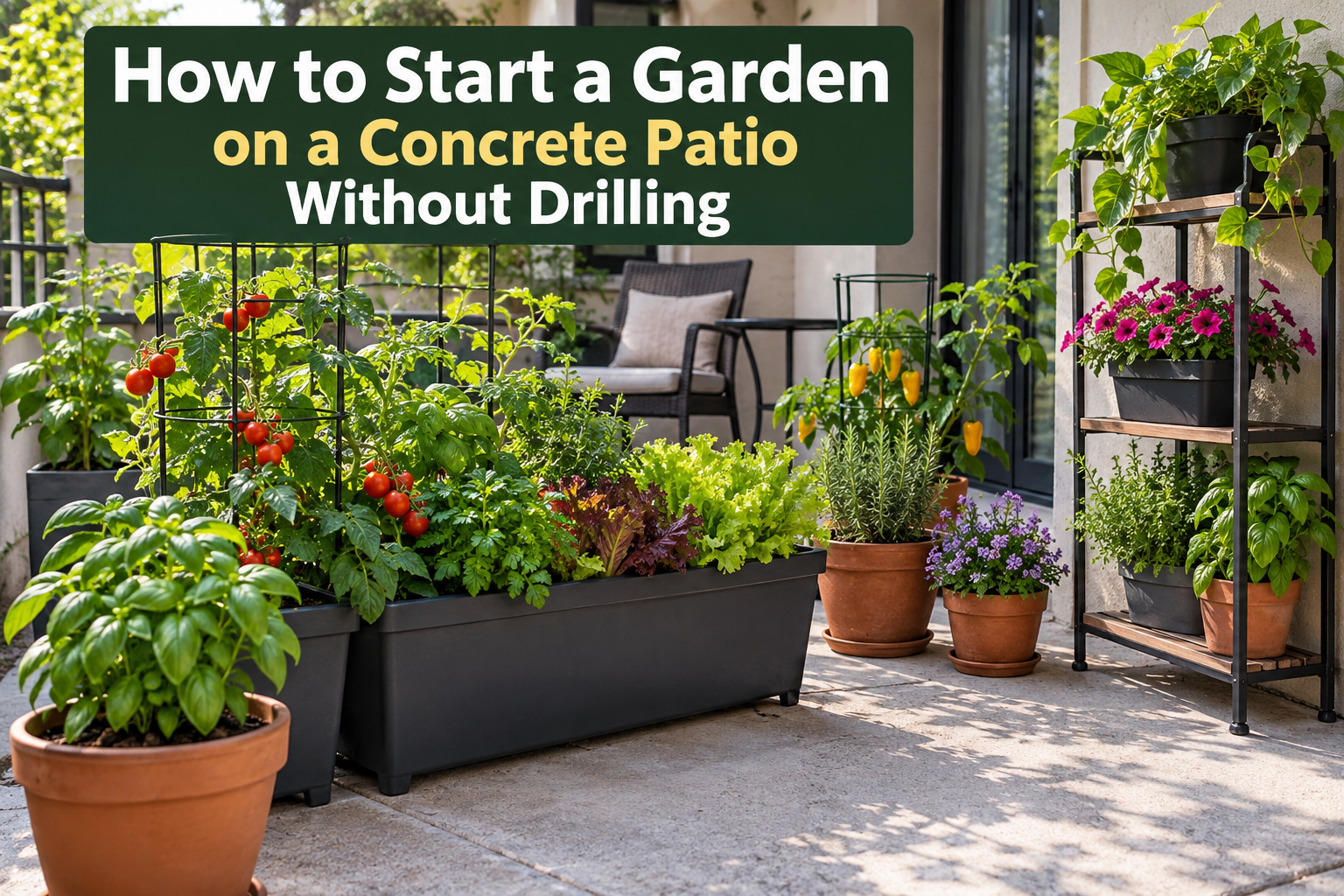
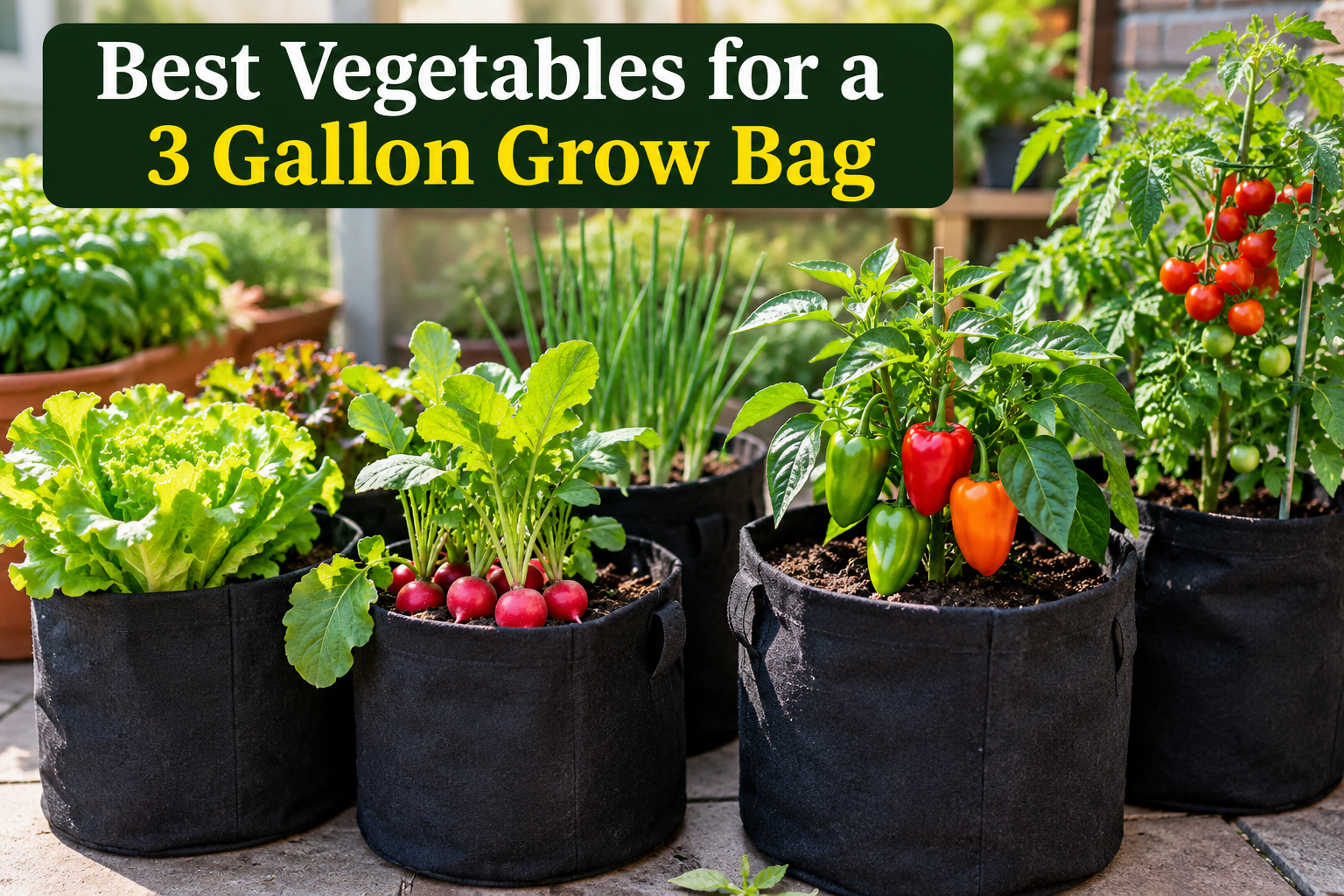
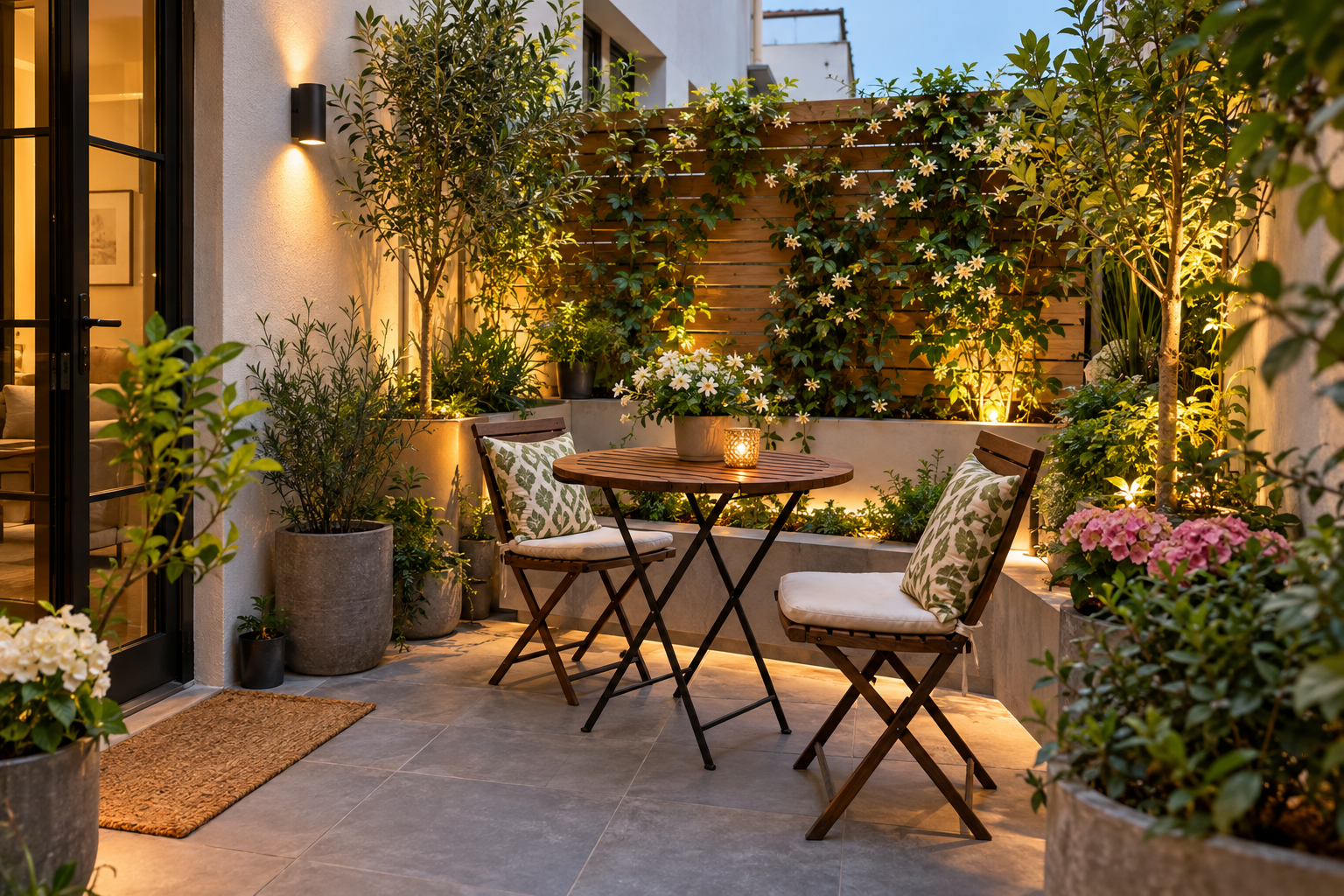
A small courtyard can be one of the most peaceful and lovely areas of a home. Even if you don’t have much space, you can set up a peaceful outdoor area with a few plants, some comfortable chairs and basic decor. The good news is, you don’t need fancy equipment or years of gardening experience to care for a small patio. A little preparation and consistent maintenance will keep beginners’ outdoor environments clean, green and welcoming all year long.
If you are new to gardening, you can learn how to maintain a small courtyard for beginners so that you can avoid common mistakes and take advantage of every opportunity. Small things make a big difference, whether it’s picking the right plants or watering and caring for the space. Here are some cost-effective and time-saving strategies to help you maintain your small courtyard.#1. Keep a clean and organized courtyard
First thing to keep a small courtyard is keeping it clean. Even a few leaves, empty pots or scattered garden equipment can make a small space look untidy, as there isn’t much room to spare.
Make it a habit to regularly sweep the floor to clear away dust, dry leaves and other debris. If a chair, table or piece of ornament gets dirty, wipe it off. If your courtyard has a concrete, tile or stone floor then clean it periodically with water and a suitable cleaning solution.
Try to keep the yard clear. Plant pots should be arranged neatly and garden tools should be stored in a tidy box. A clean and organized space feels bigger, feels more welcoming and feels a lot less effort to maintain on a daily basis.
2. Choose plants for small spaces
Properly maintaining a small courtyard is best achieved by selecting the right plants. Not all plants do well in small spaces, especially where there is little ventilation and sunlight.
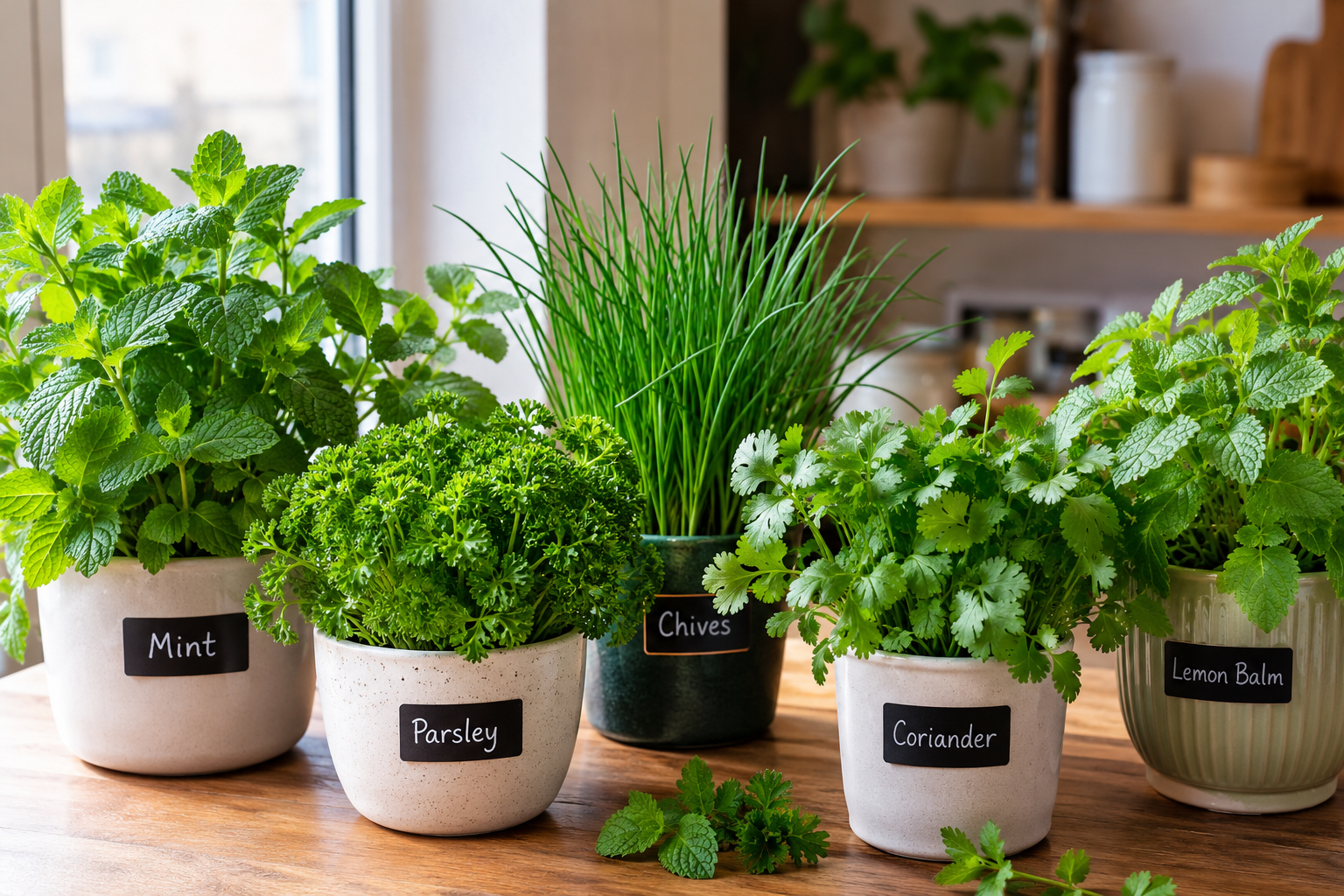
Begin with small plants that do well in pots. Small flowering plants can add color and charm, but herbs such as parsley, basil and mint can be useful choices. If your patio gets little sun, depending on your local climate, consider shade tolerant plants such as pothos or snake plants.
Before purchasing any plants, determine how much daylight your courtyard receives. Some plants like indirect light, others need many hours of direct sunlight.
It’s also a good idea to avoid packing your pots too full. Give each plant plenty of room to grow healthier and for better air circulation. Instead of planting everything in right away, choose a few plants that will go well with the space you have.
3. Proper Water Plant Care
While healthy plants need water, beginners often make the mistake of watering too often. Too much water can drown roots, lead to fungal problems, and make plants look sickly.
Check the soil before irrigation. If the top layer is dry, your plant might need some water, but how much it needs depends on the type of plant, the size of the pot, and the climate. Slowly water the pot until some water begins to drain out the bottom.
Always use pots that have drainage holes in the bottom. Without proper drainage, water may accumulate around the roots, causing them to rot.
In hot weather plants may need watering more often. In cold or wet weather they may need less water. Instead of following a strict daily schedule, just watch the soil and the look of your plants. This simple practice helps in healthy development and conservation of water.
4. Utilize Vertical Space to the Maximum
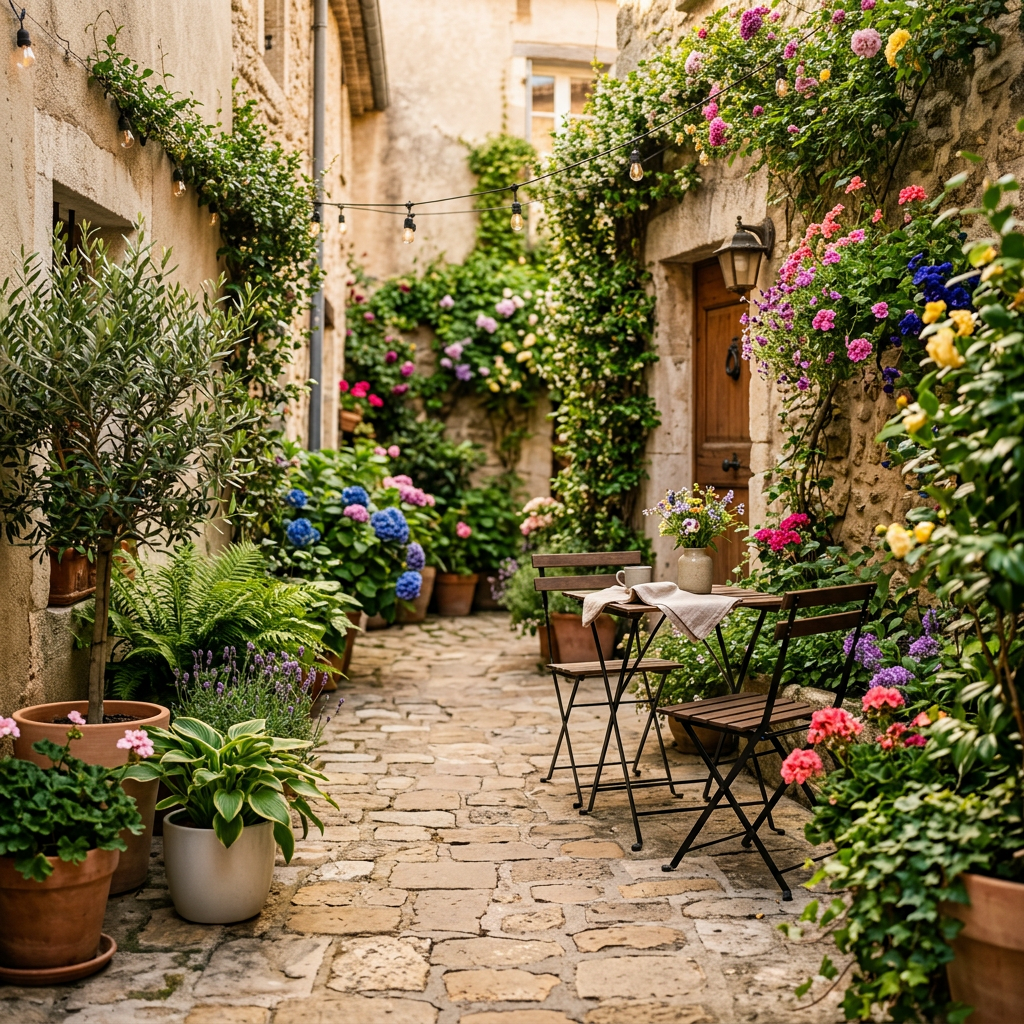
If you don’t have much floor space, looking upward can help you design a courtyard that is more esthetically pleasing and greener. Vertical gardening allows you to grow plants without using all the space available.
Suitable climbing plants can be grown in wall-mounted planters, on sturdy shelves, in hanging baskets or a small trellis. Those choices not only add visual interest, but they also increase the amount of space you have for seating and walking.
Before installing anything, make sure that the wall or support can hold the weight of the plants and wet soil. Hanging containers shouldn’t block walkways and should be made of weather-resistant materials, if possible.
Compact flowers, herbs and trailing plants are particularly well suited to vertical gardening. Arrange plants by the amount of sun they need, keeping taller container plants from shading smaller plants unnecessarily.
5. Use the Right Fertilizer and Have Good Soil
Healthy soil contains the nutrients plants need to grow well. If you have a small courtyard with container plants, choose a good potting mix that is suitable for the types of plants you are growing.
Garden soil dug straight from the ground may compact too much in pots and not drain well. Usually a good potting mix provides a better mix of air, water and drainage.
Plants also need nutrients, but too much fertilizer will harm their roots. Follow the directions on the fertilizer package and choose a fertilizer that is appropriate for your plants.
You can also combine compost with suitable potting mixes at the right time. It encourages plant growth and improves the quality of the soil. Each plant has its own nutritional requirements, so don’t treat them all the same.
6. Get Rid of the Pests Before They Spread
Mealybugs, spider mites and aphids are common gardening issues that can still occur in small courtyards. Unchecked, these pests can weaken plants, damage foliage, and spread.
Inspect your plants regularly, especially the undersides of the leaves and new growth areas. Look for curling leaves, little bugs, sticky stuff, and strange places.
If you find pests, separate the affected plant if possible. When suitable for the plant, a few insects may be removed by hand or washed off with a little stream of water.
If the problem persists, use a treatment labeled for that particular insect and plant, following all safety precautions. Avoid spraying chemicals when the wind is blowing or pollinators are active. Early intervention often prevents a small problem from becoming a bigger problem.
7. Add simple and practical embellishments
Small courtyards do not need to be furnished with costly pieces and decorated with fancy ornaments to be attractive. You can select a few well-chosen items and create a pleasant atmosphere without feeling the area is crowded.
Consider adding some nice plants, a small outdoor chair, a small table or some nice outdoor lighting. Choose products that are easy to clean and weather resistant for your area.
Using similar colors for furnishings and pots can give a unified look. Also, if the mirrors are positioned correctly and do not create distracting glare, they can help bounce light into the right places.
Ensure your decorations are practical and leave enough room for people to move around comfortably. A simple design can open up a small courtyard and make it feel more relaxed.
8. Keep a Basic Maintenance Schedule
Breaking down activities into smaller segments makes regular maintenance much easier. A patio doesn’t have to take hours a day to maintain.
If you’re a beginner, try this easy routine:
Daily: Look for signs of wilting in the plants, check the soil’s moisture level as needed and remove any visible debris.
Sweep the floor, tidy up the furniture, check the leaves for bugs and remove any dead plant matter each week.
Check drainage monthly, inspect pots for damage and see if the plants need more fertilizer or pruning.
Seasonally: Change your watering schedule, move pots as needed and switch out plants that don’t do well in the changing climate.
Please be aware that these are suggestions only. When planning your routine, be sure to consider what plants you have, the climate and the season.
Final Thoughts
A small courtyard can be easy and fun to keep with a focus on the basics. You can establish a healthy and attractive outdoor space by keeping a clean environment, selecting the right plants, watering adequately, using vertical space, and keeping an eye out for pests.
The best approaches for novice courtyard managers don’t require fancy equipment or complex gardening skills. The trick is to know your space, pick good plants and have a realistic maintenance plan.
Begin with some low maintenance plants and simple decorations as you build confidence. By being persistent and keeping up with routine maintenance, even the smallest courtyard can become a beautiful place to relax, get some fresh air and enjoy nature.