Related Articles
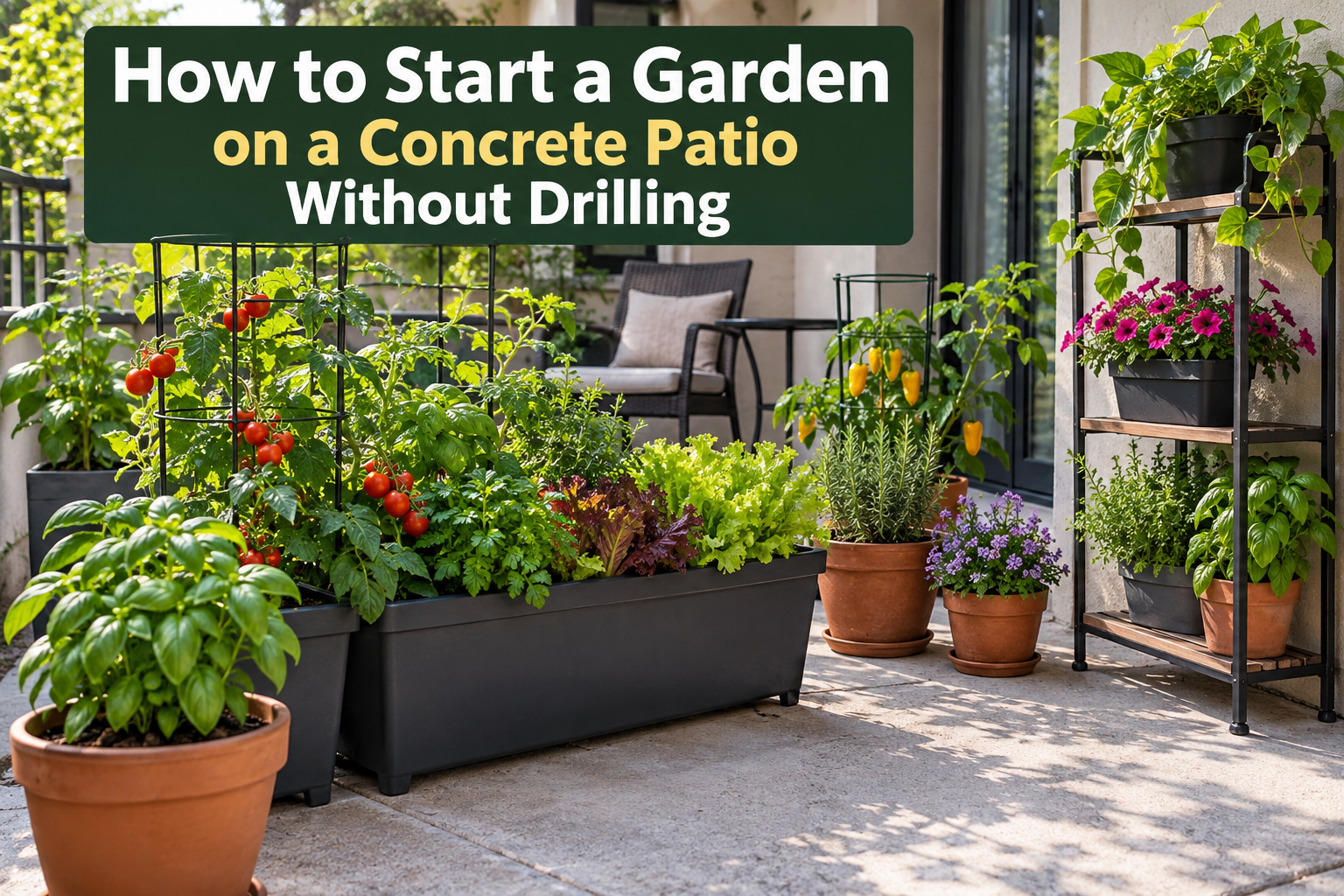
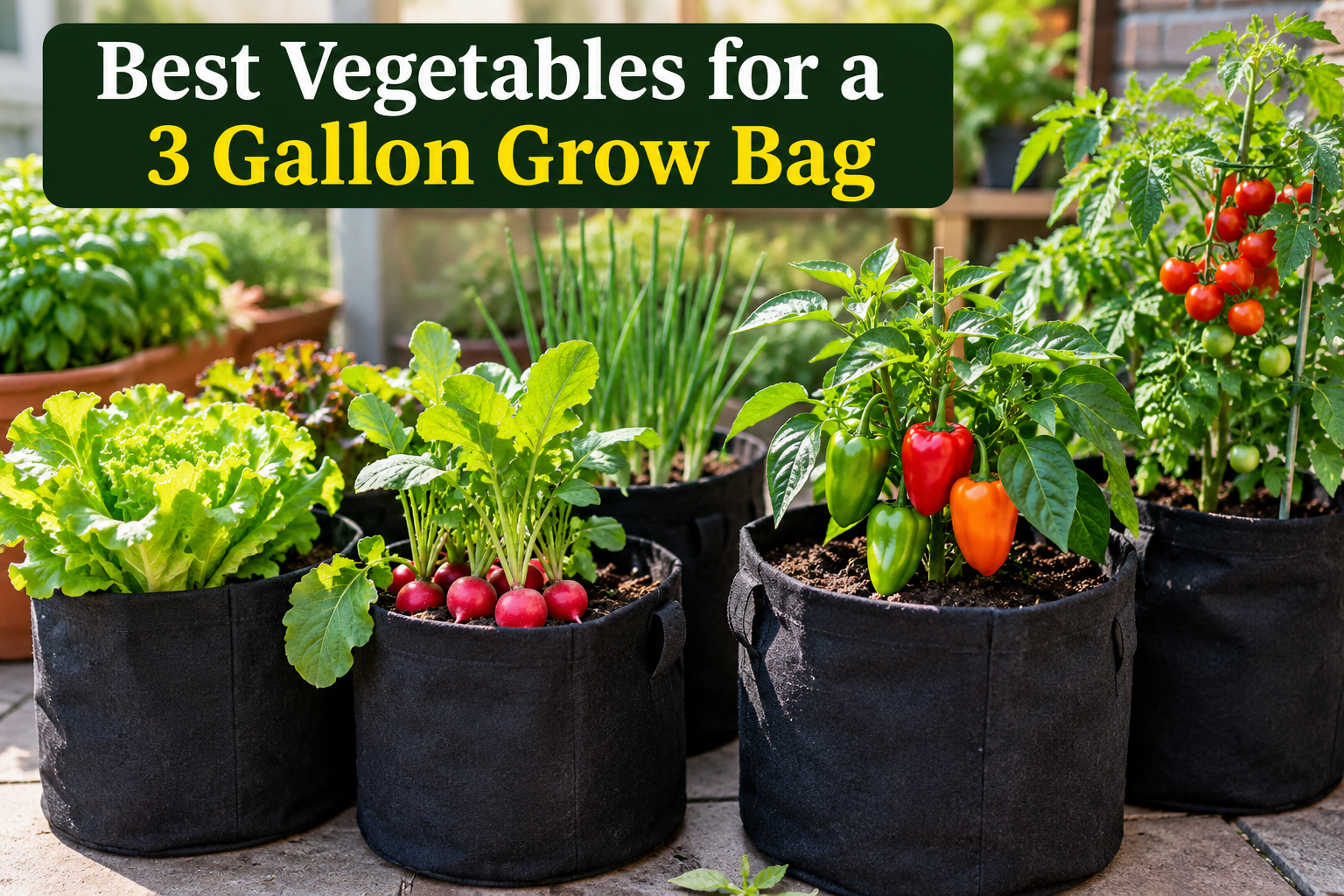
Container gardening is one of the easiest ways to bring nature into your house even if you don’t have a large backyard. Whether you have a balcony, a small apartment or want to decorate your patio, you can make an average place into a lovely green corner with growing plants in pots.
The best thing about container gardening is that you don’t need fancy equipment or a gardening expert. Anyone can create a beautiful garden with the right plants, healthy soil and a few suitable pots.
This step-by-step guide shows how to build a container garden, choose the best plants, and keep your growth gorgeous.
- Choose the Right Location
Pick your garden’s location before buying plants or containers.
Different plants require different amounts of sunshine. Some flowers and vegetables prefer partial shade, others thrive in bright sun.
Spend a day looking at what space you have. Look at the amount of sunshine hours and whether the area is prone to high winds.
Most flowering plants, including tomatoes and peppers, require about six to eight hours of direct sun each day. Lettuce and other leafy vegetables can often take less sunlight.
If your balcony doesn’t get much sun, don’t attempt to grow veggies that love the sun. Opt for those that love the shade.
If you begin with a right place, your gardening experience will be much simpler.
- Select Suitable Containers
One of the best things about container gardening is picking out pots that go with your space and your style.
Use wooden planters, elegant ceramic pots, plastic containers or ordinary clay pots.
But you can’t think about just appearance.
Also, you need to have big enough pots for the roots of the plant to grow properly. Larger plants and veggies prefer larger containers while small pots are perfect for small flowers and herbs.
Drainage is also important. Always choose pots with drainage holes in the bottom to allow excess water to escape.
Without proper drainage, water may collect around the roots and cause root rot.
Make sure that the materials used to construct recycled containers are safe for growing edible plants and give them a good clean.
- Use a Good Potting Mix
Healthy plants begin with healthy growing conditions.
It is a common mistake by beginners to fill containers with regular garden soil. Garden soil could seem like a practical choice but it can become compacted in pots making it hard for roots to obtain enough water and air.
Instead, buy a good quality potting mix meant for use in pots.
A good potting mix is light, drains well and holds enough moisture to sustain plant growth.
You can also select a mix that contains slow release fertilizers or compost.
Lightly moisten the potting mix before planting. When filling your pots leave a little space at the top to make watering easier.
Proper soil preparation leads to healthy roots in plants and decreases the incidence of growth problems.
- Choose Easy Plants For Beginners
When you’re starting your first container garden, it’s better to grow a few manageable plants than to fill every available space.
Some plants are good for beginners because they grow very fast and don’t need a lot of care.
Here are some beginner-friendly container plants:
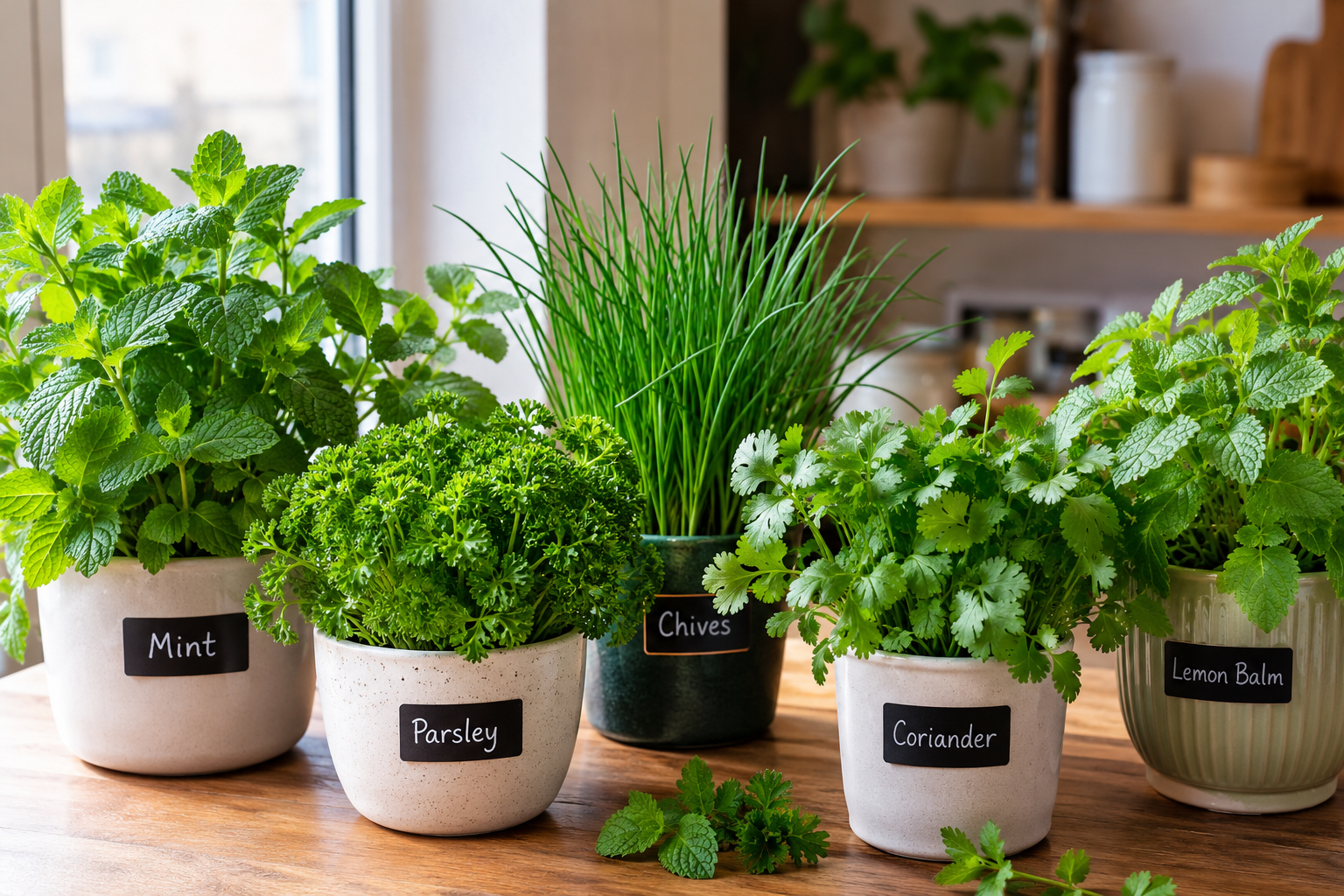
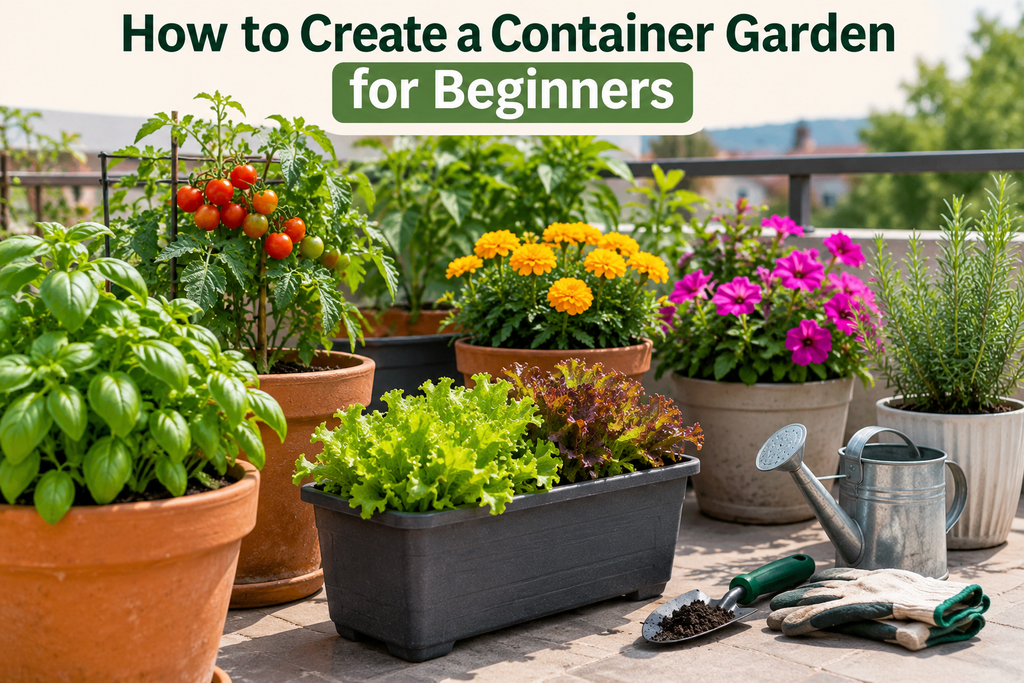
Basil is an aromatic herb that does well in sunny weather.
Mint: A handy plant, which can take over the place and is best grown in a pot.
Lettuce is a green vegetable that grows well in cooler climates.
Cherry tomatoes: Great in big pots and lots of sunshine.
Marigolds: Small gardens are brightened by these flowers.
Petunias are nice flowering plants to look good on sunny patios and balconies.
Choose plants according to the amount of sun, length of growing season and local climate.
Begin with three or four containers and learn about the needs of each plant before you plant your garden.
- Plant Your Seeds or Seedlings Gently
Once your soil and pots are ready, you can start planting.
Small seedlings can be bought at a local nursery or plants can be grown from seed.
Seedlings are often easier for beginners to grow, as they already have roots and take less time to grow to maturity.
When planting seedlings, be careful to take the plant out of the nursery pot without damaging the roots.
Dig a small hole in the potting mix, place the plant in it, and then lightly cover the area with dirt.
Keep the plant at about the same depth it was growing in its original container.
For seeds, follow the directions on the packet for planting depth and spacing.
Water lightly after planting to settle the dirt around the roots.
Crowding can limit growth, so don’t try to stuff too many plants into one pot.
- Learn How to Water Correctly
Watering is one of the most important aspects of a successful container garden.
Plants that grow in the ground take water from the soil. Container plants are completely dependent on you for their water supply.
It can be just as harmful to water too often as to let the soil dry out completely.
An easy way to do this is to stick your finger about an inch into the potting mix.
If the top layer is dry, your plant may need water. If it still feels wet, check again later.
Add water slowly until moisture begins to drain from the bottom of the pot.
Remember that during the warmer summer months plants may need to be watered more often.
Always consider weather, size and type of container and plant before watering.
- Feed your plants for healthy development
Container plants gradually deplete the nutrients in their potting mix.
You may have to fertilize them a little bit more to keep them healthy.
Apply a balanced fertilizer that is safe for your plants and follow the manufacturer’s directions.
Some potting mixes already contain fertilizer so check the packaging before adding more.
Too much fertilizer can damage roots and interfere with plant growth.
For beginners, a simple feeding schedule based on the directions of the product is usually sufficient.
Healthy plants often grow stronger leaves, more flowers and better harvests.
- Arrange Your Containers Beautifully
A garden in a container should be both useful and beautiful.
Experiment with mixing containers of different heights, sizes and colors to create an interesting arrangement.
Place smaller flowers or herbs in front and taller ones in the back.
Hanging baskets, shelves or plant stands are also ways to make the most of limited space.
Avoid too many styles, but use two or three complementary container colors for a natural look.
Leave enough space between containers to make it easy to maintain them and to let air circulate.
A well organized plants can make even the smallest balcony feel like home.
- Frequently Take Care of Your Garden
But container gardening doesn’t take hours a day to maintain, and regular care makes a noticeable difference.
Look at your plants for signs of disease, bugs, yellowing leaves and dry soil.
Cut out damaged leaves and dead flowers as needed.
If the plants are leaning toward the sun, rotate the pots every now and then. Use stakes or other supports to hold up taller plants.
As the plants grow they may need larger containers to allow for the roots to grow.
A quick daily inspection of your plants can help you catch small problems before they become big ones.
Common Mistakes to Avoid in Container Gardening
It can be frustrating for a beginner to see his plants get sick. Many garden problems can fortunately be prevented.
Don’t grow sun-loving plants in deep shade, water according to a set schedule regardless of soil moisture, or use containers that don’t have drainage holes.
Another common mistake is to use containers that are too small for mature plants.
Learn about requirements before you buy a plant. Remember that different types of plants require different maintenance.
Gardening is a science, and it’s not a bad thing if all the plants don’t turn out perfect the first time you try.
Conclusion
If you love gardening but don’t have a traditional backyard, a container garden is an easy and satisfying way to enjoy gardening.
With the right location, the right containers, the right potting mix and regular care, you can grow beautiful flowers, fresh herbs and even vegetables in a small space.
Begin with a few plants, build your collection slowly, and learn from your errors.
By persevering and taking steady care you can transform your balcony, patio or doorway into a refreshing green area that will improve your everyday life.