Related Articles
A lovely window box can make even the most basic house look lively, inviting and fresh. Whether you are living in a modern house, a small apartment, or a little hamlet, you can improve the look of your home by planting flowers and greenery outside your windows.
The good news is that you don’t need fancy tools or gardening expertise to start gardening. With the right container, a few healthy plants and a little maintenance you can make a beautiful window box that will add natural beauty to your living area.
In this easy-to-follow book, you will learn how to make a window box, choose the right plants and keep the esthetic beauty of your small garden year-round.
- Choose the Right Window for Your Box
Before you go out and purchase supplies or plants, determine where you will install your window box.
Choose a window with easy access and plenty of natural light for watering your plants. They are popular because they let you enjoy the flowers inside. Good places for this are kitchens, living rooms and bedrooms.
Sunlight is particularly important. Some flowering plants prefer moderate shade, while others need at least six hours of intense sunlight every day.
Check the window you chose during the day to see how much sun it gets.
Also, especially after watering, make sure the wall or window frame can safely support the weight of the box.
- Select the Right Window Box
Window boxes are available in a range of sizes, styles and materials. Choosing the right one makes gardening easier and encourages plants to grow comfortably.
Wooden window boxes suit painted or brick walls and have a natural, traditional look. Plastic boxes are cheap, light and easy to upkeep.
Metal containers can look contemporary, although they might get hot in bright sunshine. Fiberglass boxes are also a good choice, as they are often both strong and light.
A plastic or weatherproof wooden box is often a practical choice for beginners.
Pick a box that will fit your window without blocking the opening. Many common flowers and herbs thrive in a container that is about 8 to 12 inches deep.
Most importantly, choose a box with drainage holes so excess water does not pool around the roots.
- Assemble Your Basic Gardening Supplies
If you want to make a window box you don’t need a huge selection of gardening tools.
You will need a small watering can, gardening gloves, healthy plants, a sturdy planter and good potting mix.
If the planter is to be attached to an outside wall, it may also require brackets for mounting, screws and suitable anchors.
Eventually rain and moisture will wear inappropriate materials down, so use outdoor hardware.
Many basic planting activities can be done without specialist equipment, but a small hand trowel is useful for spreading soil around your plants.
If you keep your supplies organized, the job will be more fun.
- Choose Easy to Grow Plants
One of the best ways to create a successful window box is with plants that are good for beginners.
When making decisions, consider the available space, sunshine and local climate.
Petunias, geraniums, marigolds, and trailing verbena provide bright color for sunlit windows.
If you have a window that gets a bit of shade, impatiens, begonias and some varieties of coleus are better options.
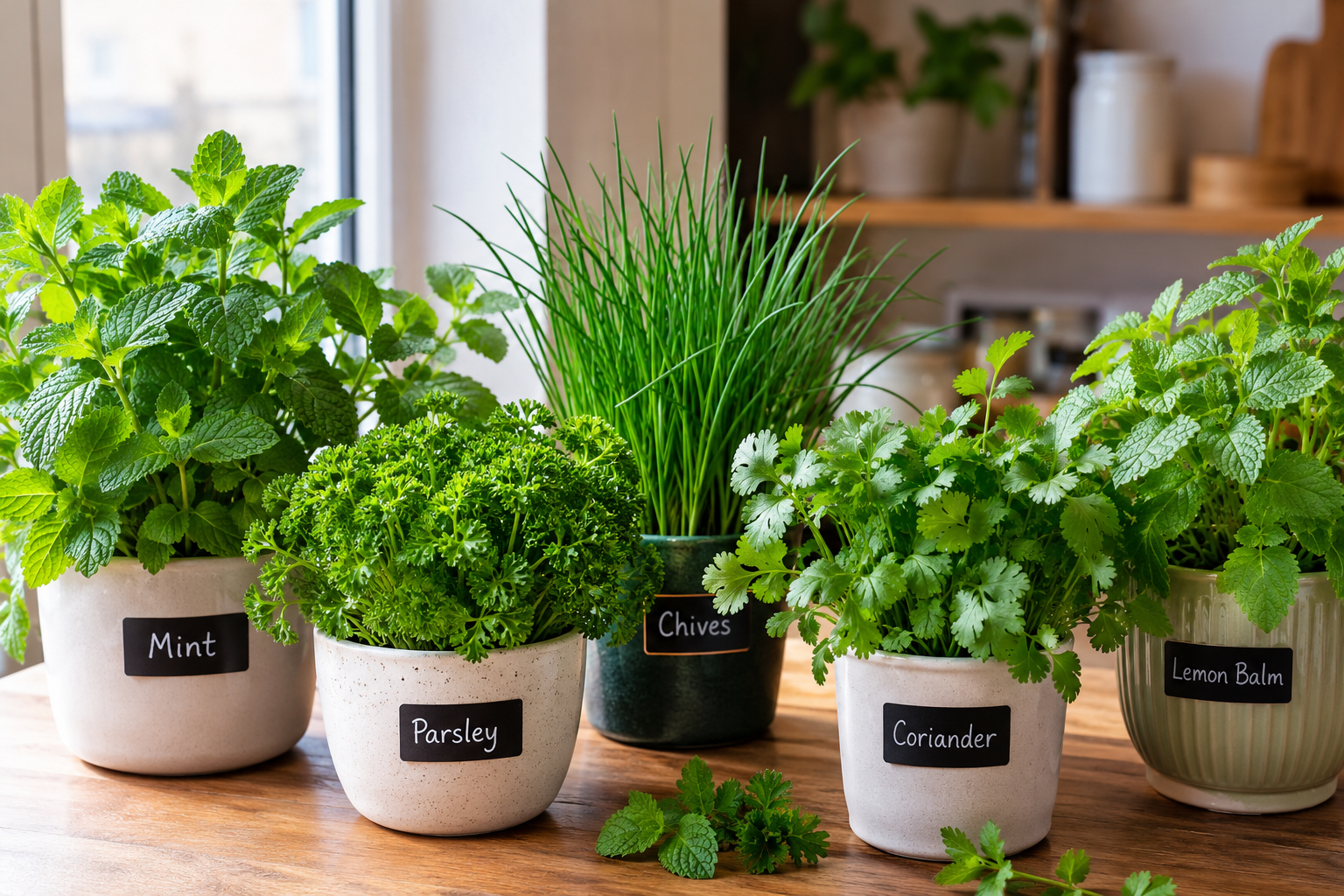
If the light and growing conditions are right you can also grow beneficial herbs such as parsley, thyme, mint and basil.
Combine plants that require similar watering and sunlight.
Don’t fill the box too full. The more room each plant has the better the air circulation and the stronger the roots.
- Prepare Your Window Box for Planting
Once you have chosen your plants, you are ready to prepare your container.
- Make sure your drainage holes are open and working. If your box lacks drainage holes, opt for a planter with them, or create them yourself if the material permits.
Add lightweight fresh potting mix to the container, stopping an inch or so short of the rim.
Ordinary garden soil should not be used, as it can clump and stop proper drainage.
If the plants are strongly rooted in their nursery containers, loosen their roots gently.
Place them in the box, with the roots of the plants at about the same depth as they were growing.
Firm the potting mix into any remaining spaces, to remove large air pockets.
- Prepare Your Plants for a Beautiful Look
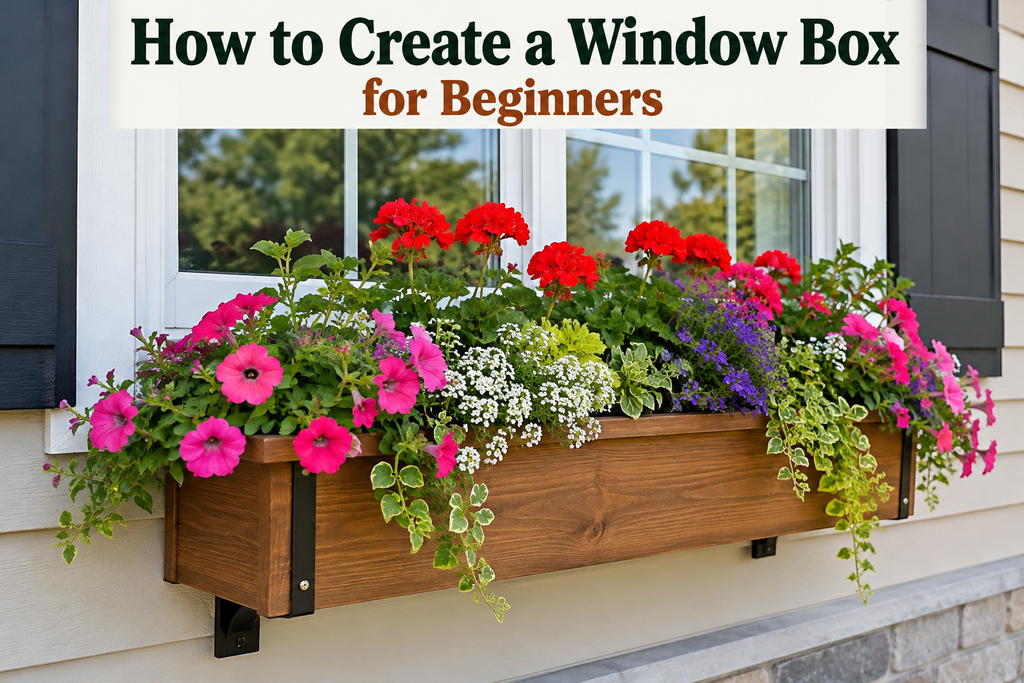
A well-made window box has plants of different heights, colors and textures to make it look attractive.
A simple approach is the thriller-filler-spiller method.
The thriller is a tall plant that is placed in the back or middle. It becomes the center of attention and adds height.
Filler plants are of medium height and give a lush, vibrant look to the arrangement.
Spillers are plants that gently cascade over the sides of the box.
An erect geranium in the center, surrounded by bright petunias, with ivy trailing down the front edge.
You don’t have to follow any strict gardening rules. Experiment with different combinations that suit your home and your taste.
- Securely Install Window Box
It is important that your window box is installed correctly, especially if it is to overhang a path or other much used area.
Use sturdy mounting hardware and brackets that can support the weight of the container, wet potting mix and grown plants.
Use fasteners suitable for the material of your wall and follow the manufacturer’s installation instructions.
Don’t attach large planters to trim that is damaged or weak.
You should ask your landlord before drilling holes in exterior walls of your rental home.
An easier option is a free-standing planter that is secured firmly on a suitable windowsill or balcony ledge.
Appearance can never be a priority over stability and safety.
- Look after your plants and water them
Window boxes have less soil than regular garden beds so they may dry out faster.
Check it often by pushing your finger about an inch below the surface of the potting mix.
If it feels dry, water it slowly, until you see the extra draining from the bottom.
In the hot summer months some window boxes might need watering every day. But how often watering is needed depends on the type of plant, the weather, and the size of the pot.
Remove yellow foliage and spent flowers to keep things neat.
You can also use a balanced fertilizer when your plants need more nutrients according to the directions on the product label.
Window box maintenance is necessary to keep it healthy and colorful.
- Change Your Window Box With the Seasons
One of the fun things about window box gardening is you can change the look of the window boxes throughout the year.
In spring, go for bright blooms such as pansies and other cool-season plants for your climate.
Choose flowers that are tolerant of the summer heat in your area.
Suitable evergreens can be used for winter displays. Autumn arrangements can include decorative foliage and seasonal flowers.
Cut away any sick plants, add more potting mix if you need to, and clean out the container before starting your new arrangement from scratch.
These small seasonal changes can make the outside of your house interesting all year round.
- Don’t fall for common newbie mistakes
There are many simple mistakes that beginners make when making their first window box.
The most common problem is watering too much, which can leave roots sitting in moist soil.
Another mistake is to select plants without considering how much sunlight they need.
Planting too close, using a container without drainage holes and not giving regular care can also affect the growth of the plants.
Rather than trying to create a complicated design, start with a few low-maintenance plants.
As you gain confidence, experiment with other flowers, herbs and styles of decoration.
Conclusion.
Making a window box is an easy and satisfying home improvement project that almost anyone can enjoy.
No large gardens, costly supplies, or years of experience needed. For one thing, all you need is the right container, healthy plants, proper installation and regular maintenance.
As you learn about gardening, start with a few plants that do well in the sunshine conditions in your window, and then slowly try different mixes.
With some care and a bit of imagination, your window box can be a lovely accent that will make your house cozier, greener and more welcoming.