
Related Articles

Live with it for a week to see how your washing routine really works before you buy bins or shelves. Watch where you fold, sort and stack dirty clothes, and where clean ones are ready to be put away. Mark the times when you get angry. Perhaps you have nowhere to put clothes when moving them from the washer to the dryer, or you have to lug baskets all around the house. Maybe the lint seems to get everyplace, or maybe the detergent sits on top of the machine and drips.
The laundry room is often ignored, despite being one of the most difficult rooms to work in. This space, be it a hallway closet, a nook in the basement or a small section off the kitchen, often becomes a dumping ground for detergent bottles, odd socks and overflowing baskets. Laundry is an ongoing chore, so if the space is disorganized, or you haven’t planned it out, it can feel like a bigger chore. The good news is, you can change this without a big budget or a complete makeover. With some smart upgrades, basic organization, and consistent routines, even a small laundry room can become a space that speeds up and slightly improves the quality of work.
This manual is for the beginner who wants simple and useful ideas. You will learn how to evaluate your space, declutter, add storage, improve lighting and ventilation, create a better workflow, select finishes and maintain order over time. Start with the changes that will fix what frustrates you the most and go up from there.
First, look at how you use the space.
Make a note of these observations. They are a guide for you to know what to fix first. The best laundry room updates are those that solve a problem, not just an internet fad.
Also, take measurements of the space. Make sure to measure the ceiling height, the width and depth of the washer and dryer, the space between the machines and the walls, and the size of any nooks or empty wall spaces. Also take note of where the vents, water hookups and outlets are located. This will make planning so much easier and will stop you from buying things that are not going to fit.
Clear Out the Clutter
The quickest and most affordable way to improve is to remove what doesn’t belong. Laundry rooms tend to collect things that have nothing to do with laundry — seasonal decorations, extra tools, old paint cans and odds and ends in cartons. Clear the space out and categorize into 3 groups : donate / throw away , move somewhere else , keep here .
Tell the truth about what you actually use. You can chuck out broken hangers, filthy rags you never use, and half-full bottles of stuff you don’t like. Inspect the quality or expiry date of cleaning materials and discard any hazardous materials as per the local laws and regulations. Keep only things that help with washing , drying , folding and removing stains .
When there is space, clean it thoroughly. Wipe down the sides and tops of the equipment and the walls and shelves. If you can move them safely, clean underneath and behind them, as dust, lint and misplaced socks are often hidden there. Starting with a clean, clear environment makes it easier to see what the area really needs.
Establish a simple laundry routine
A well-designed laundry room will follow the natural path of clothing from dirty to clean to stored. The whole process runs more smoothly if the layout supports this path. The procedure includes four steps: collecting, sorting, washing and drying and folding.
Have a basket or hamper in the bathroom or bedroom where clothes are likely to fall, and a simple way of getting them to the laundry room for collection. You can pre-separate your brights, darks and delicates before you even start a load with either a set of three containers or a divided hamper. This saves time and avoids errors from color bleeding.
Keep your dryer sheets, fabric softener, detergent and stain remover near your machines. Make a folding area next to the dryer so you can move clothes right from the dryer to the counter. Lastly, have a few hangers or a small rod handy for items like dresses and shirts that shouldn’t be folded. With each step assigned to a location, you’ll spend less time getting around and more time actually doing the task.
Include Smart Storage
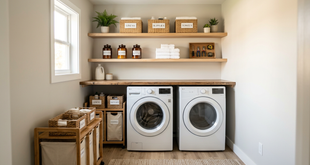
A better laundry room is all about storage, and maximizing vertical space is key. One of the most valuable, and underutilized, spaces in the house is the wall above the washer and dryer. If strong shelves or wall cupboards are installed, there is space for detergent, baskets, cleaning products and spare towels. Open shelving makes it easy to grab what you need, but closed cabinets hide the mess and keep the space looking crisp. Cleaning goods can be heavy so make sure the shelves are securely fixed. Choose the one that suits your style and habits.
Keep the little stuff under control with containers. Store your dryer sheets, laundry pods, and powder detergent in clear jars or canisters. They look nice and they let you know when you’re running low. Baskets can hold socks, cleaning supplies and anything that needs fixing. Even simple hand-written tags help everyone in the home put things back where they should be.
Imagine a thin rolling cart that can fit next to or in between the machines if space is really tight. It can roll out and stock supplies when you want it. Hooks on the wall or back of the door can hold an ironing board, a lint brush, a drying rack, or bags of donated clothing. An over-the-door organizer gives you additional sections for small items.
Create Space for Hanging and Folding
A level surface is one of the best upgrades you can make to a laundry room. An ideal option for folding is a countertop that spans across both of your front loading units. You can use a pre-made counter cut to size, a piece of laminate or a basic piece of butcher block. Ensure it is secure, level and won’t block the lint filter or controls.
If you have top-loading machines, a wall-mounted fold-down table is a great option. It gives you a surface when you need one, then folds flat against the wall when you’re done. A flat-topped rolling cart in a small space can double as a portable folding station.
Add a hanging rod above or next to the machines for items that come out wrinkled and for air drying. For workout clothes, sweaters and delicate items, you can use a foldable drying rack or retractable clothesline. Drying options are stored in the laundry room so clothes don’t invade the house.
Lighting Enhancement
It makes laundry more difficult than it needs to be when there isn’t enough light. Low light makes it hard to see stains, read care instructions, or find matching socks. Replacing the dim bulb in your laundry room can make an instant difference. You want not only a bright clean light that shows color accurately, but you might want to add a second light source, such as LED strips under shelves or a wall mounted light over the folding area.
For beginners, cheap and easy to install are stick-on or plug-in LED lights. Leave a window open if you have one, for natural light. Good lighting makes a space feel bigger, cleaner and cozier, but can also help you get rid of stains before the dryer sets them in.
Beware of Moisture and Ventilation
Proper ventilation is a must in laundry rooms, as they produce heat, humidity and lint. Without it, moisture can cause musty smells, mildew and peeling paint. Ensure that the dryer vent leads to the outside and is not blocked or crushed behind the dryer. Where possible, replace a flexible foil vent with a smooth metal duct. This allows for better air flow and reduces lint buildup.
Empty the lint trap after each load and clean the vent line at least once per year. A clogged dryer vent is a serious fire hazard, so this is one task you don’t want to neglect. If your clothes take a long time to dry, or if the room feels unusually hot, the vent may need attention.
If there is no window in the room, use a small exhaust fan or leave the door open while using the appliance to let the humidity escape. Always wipe up spills immediately and between uses, leave the washer door or lid slightly ajar to allow the drum to dry. Small things that keep odors and mold away. If you live in a damp place, a dehumidifier will help to keep the place fresh.
Select Colors and Finishes That Work
The colors and materials used will affect the feel of a laundry room, and how easy it is to keep maintained. Light colors like white, soft gray, pale blue or light green reflect light better and make smaller rooms look bigger. One of the most economical improvements is a new coat of paint. Selecting a washable, moisture resistant paint will enable the walls to withstand dampness and splatters.
Look for water resistant options for flooring. Vinyl planks, peel and stick tiles, and ceramic tile are all easy to clean, so spills aren’t a problem. Avoid materials that soak up water or easily lose their shape. A small rug or mat in front of the machines adds comfort underfoot but make sure you choose one with a non slide backing and a washable surface.
A few decorative touches help make the space feel more like part of your home. A framed poster, a small plant or a bright set of baskets may lift the mood without adding clutter. Keep decorations simple, so they won’t clutter the workspace.

Add Useful Extras
Once the basics are in place, a few extras can make the space even more functional. If you have the plumbing and the room, a small sink is great for hand washing delicates and pretreating stains. If you don’t have a sink, a nearby plastic tub or bucket can do the same. A trash bin with a lid will keep lint and used dryer sheets contained.
Fixing the ironing board to the wall or behind a door will save space on the floor. Something small to put loose things in your pockets like coins and receipts so you don’t accidentally wash them. A repair kit with a needle, thread and a few buttons can quickly patch up minor problems and a misplaced sock basket can reduce annoyance.
Cultivate Good Laundry Habits
Routines are the perfect way to back up a well thought out environment. For many people, doing a little bit of laundry every day is easier than tackling a mountain once a week. If you put a load of laundry in the morning and then in the dryer in the evening, you will not have piles of clothes. Whatever schedule you choose, try to fold and put away your clothes as soon as they’re dry. Putting them in a basket promotes wrinkles and just adds to the pile.
Read care labels, sort by color and fabric, and do not overload the machines to avoid improper cleaning and motor strain. Use the right amount of detergent. More soap can cause residue and doesn’t necessarily mean cleaner garments. Clean your washer every month or two with a hot cycle or a washing machine cleaner, and wipe the door seal to prevent mildew.
Common Mistakes to Avoid by Beginners
I keep seeing some errors. If you buy storage items before you declutter, you’ll probably waste money and create more clutter. Not having ventilation can lead to odors and water damage. Neglecting the dryer vent creates a safety hazard. If you put heavy things on flimsy shelves, accidents will happen. Choosing a floor that is not water resistant can lead to expensive repairs down the road.
Another mistake is to try to copy a magazine-perfect setting without taking into consideration your own habits. A laundry room should suit your lifestyle. Style is less important than utility.
Closing remarks
The goal of renovating a laundry room is to make an essential chore more convenient and comfortable. First, observe how you use the space, how you arrange your stuff, and how you go about doing things. Better lighting, ventilation, vertical storage and a folding surface. Choose easy-to-clean finishes, add a few helpful extras, and establish procedures that keep things running smoothly.
You don’t have to do it all in one weekend.” Even small things like adding a basket to sort or clearing a shelf make the area more comfortable to use. Start this week with one chore and see your laundry room become a more organized, peaceful and productive area of your house.