Related Articles


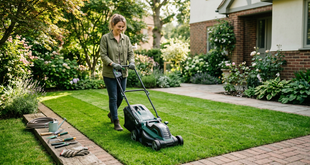
A well-kept garden is not something that just happens. It is the outcome of consistent, modest efforts that build up over time. Many novices believe that garden maintenance entails costly services or long weekends of tiresome work, although this is rarely the case. The key is understanding what has to be done, when to do it, and how to do it effectively. The work becomes easier, the results look better, and your garden becomes a place you truly appreciate once you establish a consistent pattern.
This manual is intended for those who are unfamiliar with garden maintenance. Planning, necessary equipment, watering, weed control, lawn and plant maintenance, seasonal chores, and time-saving techniques are all covered. You can follow along and begin making improvements to your garden immediately because each part is written in simple terms.
Start with a Realistic Perspective
Consider what you want from your yard before you purchase a single tool or take up a rake. While some aspire to have the ideal green carpet, others just want their family and pets to live in a clean, secure, and comfortable environment. How much time and money you need to devote depends on your ambitions.
Being truthful about your timetable is also beneficial. Plan a garden that works for the hour or two you have each week. Hardy plants, fewer flower beds, and a smaller lawn may all look fantastic with minimal maintenance. When you are busy, trying to keep up a high-demand garden will just make things dirty and frustrating. Start small, develop positive habits, and only grow when you are self-assured.
An excellent place to start is with a quick stroll around your house. Examine the walks, fences, flower gardens, trees, shrubs, and lawn. List the things that require immediate attention and those that can wait. This list serves as your starting point and helps you avoid feeling overburdened.
Assemble a Basic Toolkit
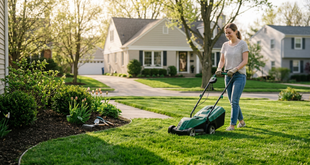
Maintaining a garden doesn’t require a garage full of equipment. Most tasks may be completed with a limited set of dependable tools. The first equipment is a lawnmower; the type you choose will depend on the size of your yard. While self-propelled or riding types are useful for larger spaces, push mowers are better suited for smaller lawns. A string trimmer, often known as a weed whacker, is used to tidy up areas and edges that a mower cannot reach.
Add a pair of strong pruning shears, a spade, a hand trowel, a garden rake, and a leaf rake. Daily chores are made easier with a wheelbarrow or garden cart, a garden hose with an adjustable nozzle, and a decent pair of gloves. A pruning saw is helpful for trees and bigger branches.
More important than number is quality. Purchase sturdy tools that are pleasant to hold, and make sure they are dry and clean after each usage. Store everything in a dry location and sharpen the blades once or twice a year. Well-maintained equipment perform better, last longer, and make garden work seem less laborious.
Learn the Fundamentals of Lawn Care
The lawn requires the most frequent maintenance for the majority of homes, so developing a few important habits pays off fast. The foundation is mowing. For cool-season grasses, set your mower to the appropriate height of three to four inches; for many warm-season grasses, it should be slightly lower. Avoid cutting more than one-third of the blade height at once by adhering to the one-third rule. Cutting too short allows weeds to grow, dries out the soil, and damages the grass.
To ensure that your mower blade cuts cleanly rather than tearing the grass, keep it sharp. To avoid ruts and maintain the grass’s upright position, occasionally change the direction of your mow. Leave the little, dry clippings on the lawn to decompose and replenish the soil with nutrients.
Watering also has a significant impact. Including rain, most lawns require one inch of water each week. Watering deeply two or three times a week is preferable to lightly sprinkling daily. Strong roots that can withstand heat and dry weather are encouraged by deep watering. Because the grass dries during the day and the water absorbs before the sun evaporates it, early morning is the ideal time.
The grass will remain thick and green if it is fed once or twice a year. Use a spreader to uniformly apply a fertiliser that is appropriate for the type of grass you have. For novices, slow-releasing products are a secure option. Aerating once a year enables air, water, and nutrients to access the roots if the soil feels compacted and hard. The lawn remains dense and weeds are naturally pushed out by overseeing thin sections at the appropriate season.
Control Weeds
One of the most annoying aspects of garden upkeep is weeds, but they may be controlled with a methodical approach. A lush, thick lawn and well-mulched garden beds provide the best defence because weeds find it difficult to grow in areas without sunshine or open space.
When the soil is moist, hand plucking weeds that are already there is effective. Remove the entire root to prevent the plant from growing back. This task is greatly facilitated using a little hand weeder or dandelion tool. One plant can produce hundreds of new ones, so try to get rid of weeds before they flower and distribute seeds.
Mulch that is two to three inches deep in plant beds blocks light and prevents the emergence of weed seeds. Straw, wood chips, and shredded bark are all excellent options. Once a year, replenish the mulch. A selective herbicide can assist with larger infestations, but always read the label, pick a product appropriate for your plants, and keep kids and pets away until it dries. Regular care and prevention are more effective than sporadic large cleanups.
Taking Care of Flower Beds, Trees, and Shrubs
Although they add structure and character to a yard, trees and shrubs require some maintenance to remain appealing and healthy. The primary task is pruning. Shrubs should be gently shaped to maintain their proportion, and dead, broken, or crossing branches should be removed. The ideal time to prune each plant varies. While many spring-blooming shrubs benefit from modest trimming in late winter, many others should be clipped immediately after flowering. When in doubt, consult a local garden center or read the label of the plant.
Don’t make too many cuts at once. A plant may become stressed if more than one-third of it is removed in a single session. Make smooth, fast-healing cuts using clean, sharp instruments.
Every few years, divide crowded perennials in flower beds and remove faded blossoms to promote new ones. Compost should be used in the spring to nourish the soil, and plants should be spread apart to allow air to circulate and prevent illness. Keep an eye out for pest indicators like chewed leaves, sticky residue, or odd patches. Early detection of issues makes them much easier to resolve, frequently with straightforward fixes like washing leaves with water or removing damaged sections.
Water Wisely Throughout the Entire Yard
Your yard’s various sections require different amounts of water. While established trees, shrubs, and native plants can tolerate longer intervals, lawns, vegetables, and annual flowers typically require consistent hydration. To make watering easier and more effective, group plants that have similar needs together.
Soaker hoses and drip irrigation are great tools for novices. They minimise waste, keep leaves dry, and gradually supply water to the roots, all of which lessen the chance of illness. You can automate watering and make sure you never forget by adding a simple timer on the tap. If you would rather use a sprinkler, place a tiny container on the lawn to gauge how much water it delivers.
Keep an eye on the weather. Watering should be increased during hot, dry spells and skipped after rain. Mulch plants to retain moisture and reduce the frequency of watering. Additionally, healthy soil that is high in organic matter retains water longer, strengthening the resilience of your entire yard.
Create a Seasonal Schedule
Observing the seasons is one of the finest strategies to enhance garden upkeep. Every season has its own rhythm, and completing the proper work at the right time helps avoid more serious issues down the road.
Rake the lawn, remove any winter debris, and inspect it for damage in the spring. Start mowing on a regular basis, reapply mulch, eliminate early weeds, and fertilise if necessary. Additionally, this is an excellent time to sow veggies and flowers.
During the summer, concentrate on weed management, watering, and mowing. To protect the grass in hot weather, raise the mower height a little. Deadhead flowers, give them a thorough morning watering, and keep an eye out for pests. When it’s really hot, don’t fertilise or prune too much.
To prevent fallen leaves from suffocating the lawn in the autumn, rake or mulch them. This is the ideal time to fertilise, overseed, and aerate cool-season grasses. Divide perennials and plant trees, shrubs, and spring bulbs. Tools that you won’t require throughout the winter should be cleaned and stored.
Let the garden rest in the winter. Steer clear of frozen grass, shield delicate plants, and keep paths free of ice and snow. Sharpen your tools, service your mower, and make plans for next year’s upgrades during the slow season.
You can maintain consistency by putting these things on a paper chart or a phone calendar. A quick weekly checklist is really helpful for many novices.
Establish Effective Habits
Garden work becomes a manageable routine when it is done efficiently. Instead of allowing tasks to accumulate, try to complete a small amount each week. A whole day of catching up after a month of neglect is far more difficult than fifteen minutes of gardening or trimming.
Put jobs that are comparable together. To save equipment setup time, mow, trim edges, and blow or sweep walkways in a single session. Work logically, beginning with debris-producing jobs like pruning and trimming and concluding with sweeping and watering. To stay comfortable and safe, take breaks, drink plenty of water, and wear sturdy shoes and sunscreen.
If you can, think about making your garden simpler. Your workload can be significantly reduced by utilising edging to keep grass out of beds, selecting low-maintenance plants, and replacing difficult-to-mow areas with mulch or ground cover. Time and water are saved since native plants and drought-tolerant types frequently flourish with little maintenance.
Take Care of Trash and Debris
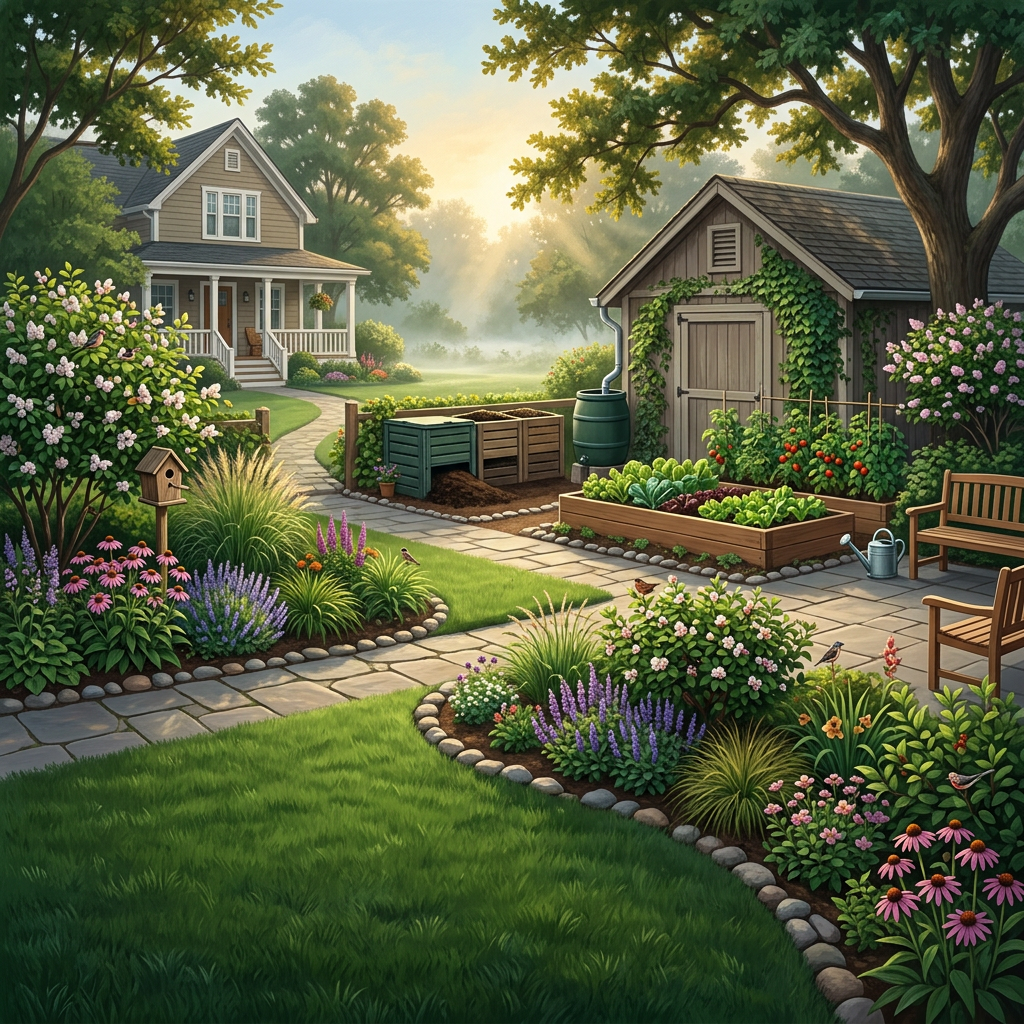
The way you handle the clippings, leaves and branches that come from garden maintenance is important. The greatest choice is composting. Plant trimmings, grass clippings, and leaves may all be turned into rich compost that nourishes your soil. To speed up the breakdown of larger pieces, shred or cut them.
Leaves can be gathered and used as mulch in garden beds, or they can be mulched with the mower and left on the lawn in little amounts. Bigger branches can be chopped up and transported to a nearby green waste plant or pickup service. Since municipal laws differ, find out what your community has to say about burning or getting rid of garden debris.
Keep Yourself Safe While Working
Even with a little garden, safety is important. When using power tools, put on gloves, closed shoes, and eye protection. When using loud equipment like trimmers and mowers, wear earplugs. Before mowing, remove any stones, sticks, and toys from the grass and keep kids and pets at a safe distance.
Every machine you use should have a handbook, and safety guards should never be taken off. When cutting trees, use ladders carefully and stay away from power lines. Hire a professional if a task seems too big or dangerous, like taking down a giant tree. Being aware of your limitations is a sign of sound judgement, not weakness.
Typical Errors Novices Should Avoid
Some mistakes keep coming up. The most common is cutting grass too short. Another is to water softly every day rather than deeply a few times a week. Overuse of herbicides and fertilisers can harm both the environment and plants. Problems can also arise from neglecting tool maintenance, planting without taking sunlight and space into account, and ignoring minor issues until they become major.
Expecting perfection right away is another frequent error. Yards are dynamic systems that require time to improve. Have patience with both your plants and yourself.
Concluding Remarks
Smart practices are more important for improving garden maintenance than hard work. Start with a few useful tools and a well-defined goal. Maintain weed control, water the lawn well, mow at the proper height, and feed it sensibly. Work in brief, frequent sessions, pay attention to the seasons, and take care of trees, shrubs, and flower beds. Be cautious, dispose of waste properly, and maintain reasonable expectations.
As time goes on, you’ll see that the tasks become easier and the outcomes improve. You will take great delight in your garden, which will become healthier, cleaner, and more welcoming. This week, start with one easy chore, like picking a few weeds or honing your mower blade, and let gradual progress lead you to the yard of your dreams.