Related Articles
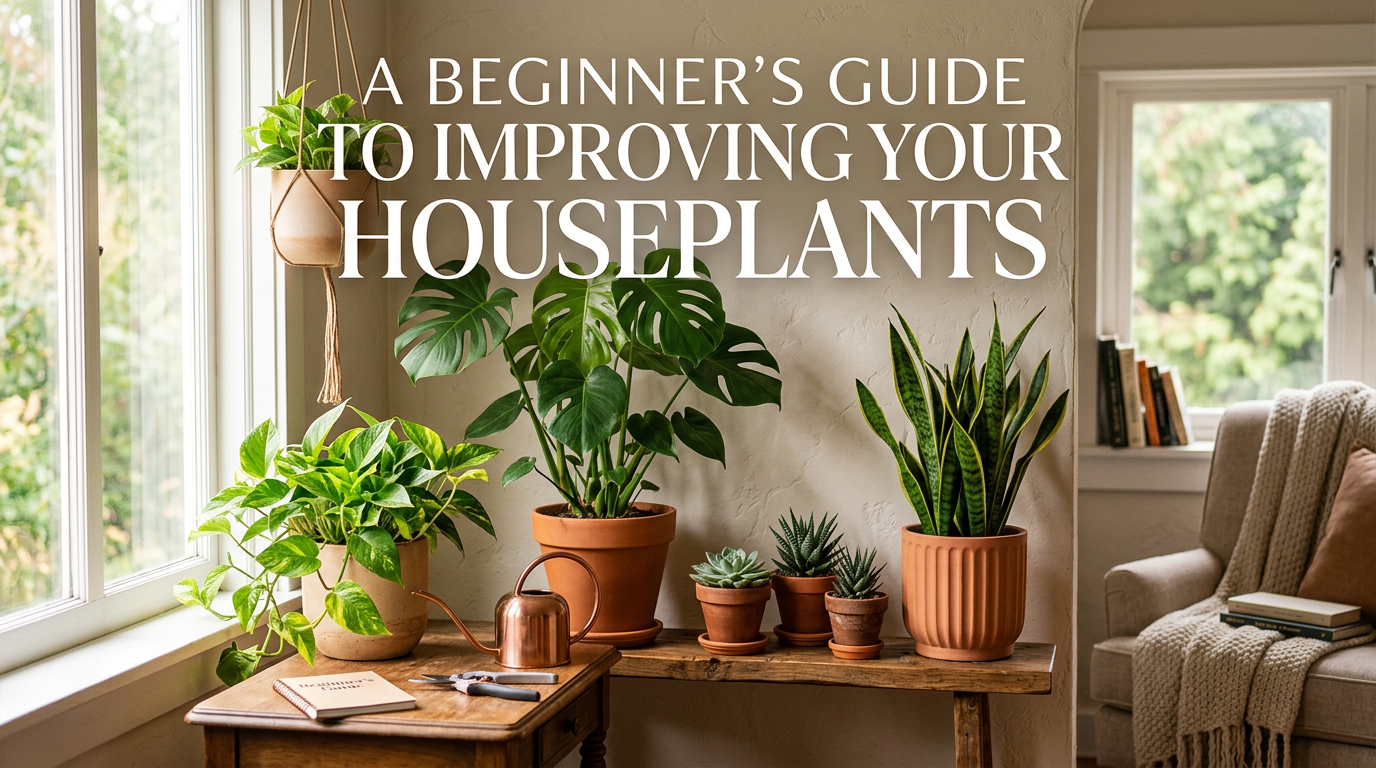
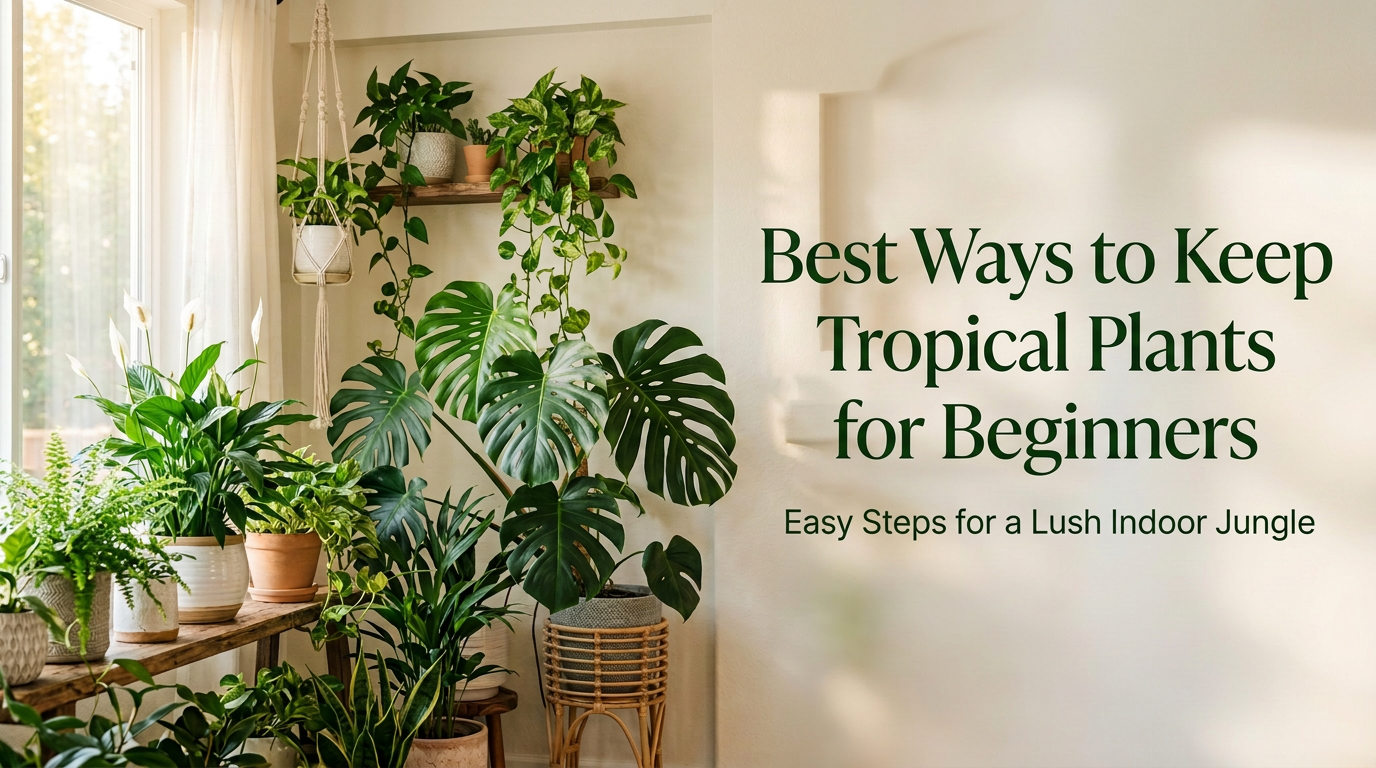
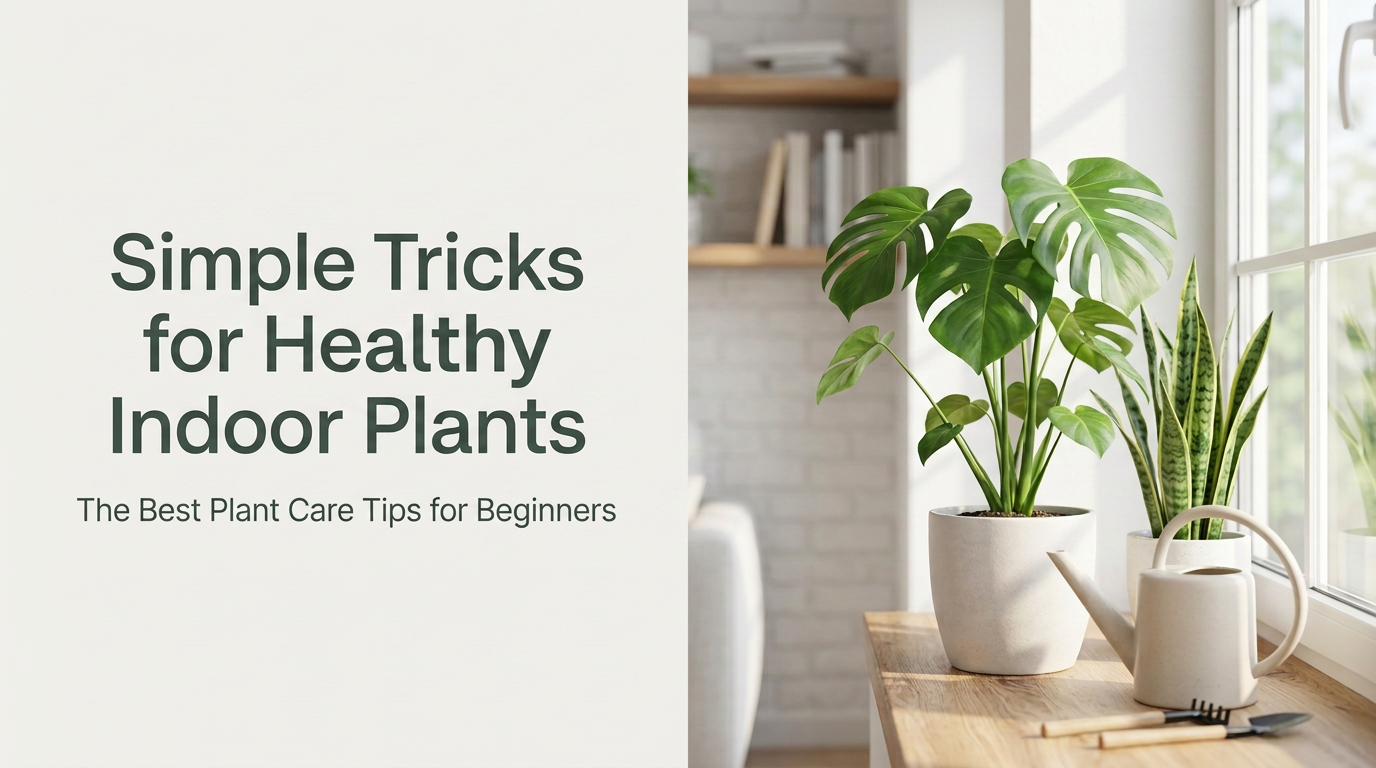
The entire atmosphere of a workday can be altered by placing a plant on your desk. A little pot of green leaves softens the appearance of a boring cubicle, provides a place for your eyes to rest in between spreadsheets, and subtly reminds you that something living is occupying your space. Many people bring a plant to work with high expectations, only to see it turn yellow, droop, or lose leaves in a matter of weeks. Although it is simple to place the responsibility on oneself, plants find the office to be a challenging environment, and a few minor changes can have a significant impact.
This manual is intended for novices seeking helpful, approachable guidance. You’ll discover how to pick plants that complement your workspace, where to put them, how to water them sparingly, and how to take care of them on weekends, holidays, and hectic workweeks. By the end, you’ll have a straightforward regimen that doesn’t require much time from your day to maintain the health of your plants.
Recognise the Factors That Make a Plant Office Difficult
Prior to making improvements to your office plants, it is helpful to comprehend the difficulties they encounter. The majority of offices have dry air from heating and cooling systems, consistent artificial lighting, and extended periods of time when no one is around to monitor the plants. Plants may sit close to vents that direct hot or cold air onto their leaves, and temperatures might fluctuate between a warm afternoon and a freezing nite.
Additionally, office plants are frequently dependent on a single carer, who is typically busy. Dust accumulates on leaves, rotating plants are neglected, and watering can be neglected. When combined, these factors can gradually harm a plant, but none of them is a catastrophe on its own. The good news is that you can plan around the pressure points if you are aware of them.
Select Plants Designed for Office Use
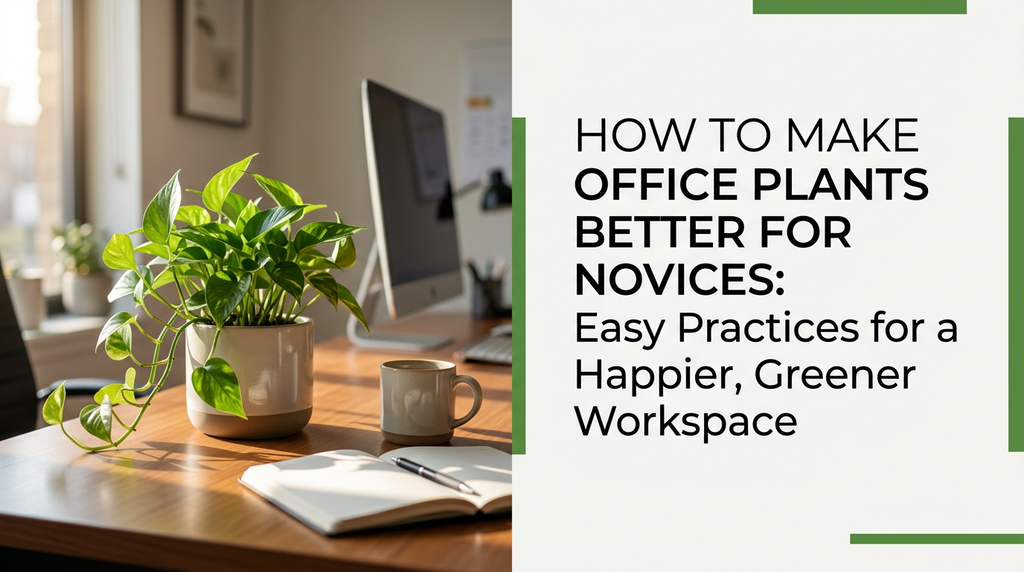
Choosing more resilient plants is the quickest approach to get better outcomes. Certain types tolerate the odd missed watering and do far better indoors than others. Because it can withstand low light, dry air, and neglect, snake plants are popular for good reason. The ZZ plant can go weeks without drinking because it stores water in its thick stems. Pothos easily adapts to dark corners and shelves and produces long, trailing tendrils.
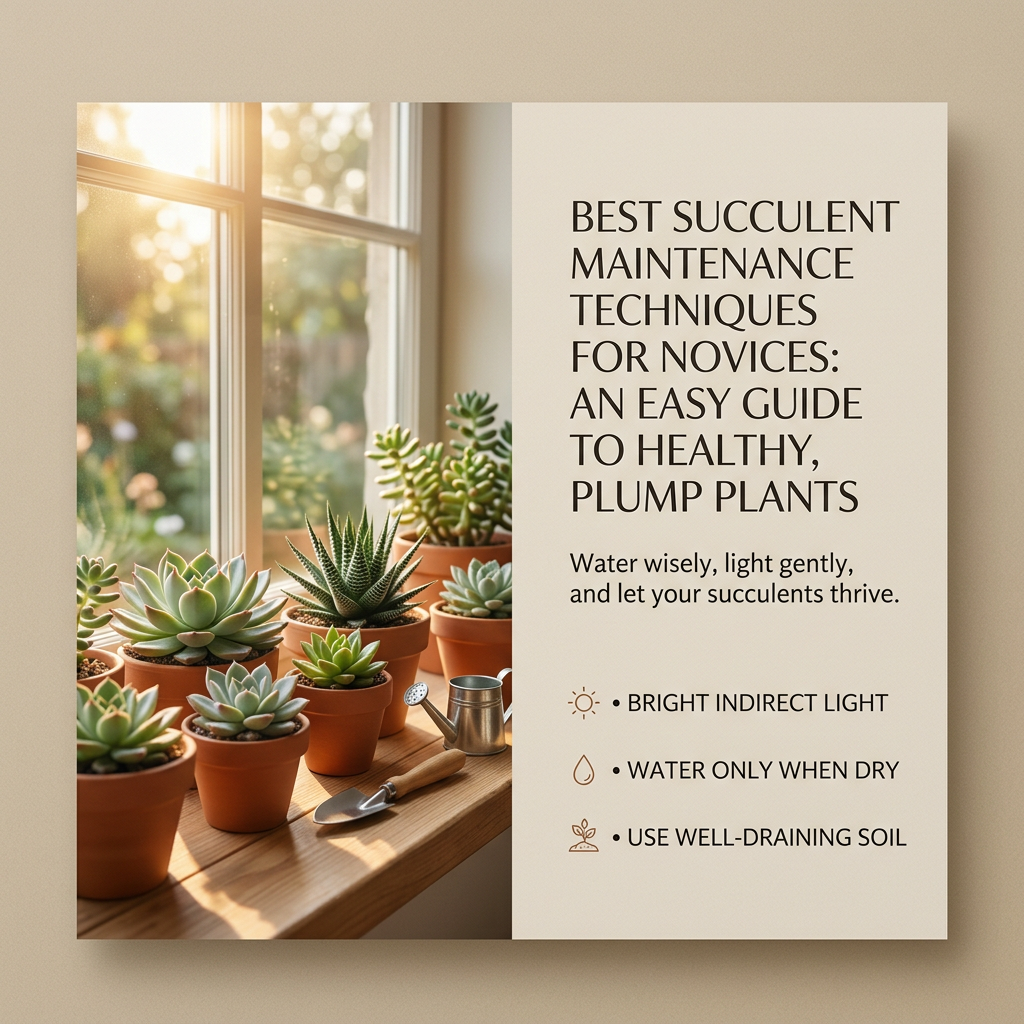
The peace lily has glossy leaves and occasionally white blooms. It droops when it is parched, but it rapidly rebounds after being watered. Rubber plants and dracaena give a desk or floor height and structure, while spider plants are happy and grow quickly. Because they prefer strong light and require little water, succulents and tiny cacti might be excellent selections for a sunny windowsill.
Ask the nursery about low-maintenance indoor plants if you’re not sure. Starting with one or two plants instead than a large number is also a good idea. You can gradually add more diversity after you get confidence.
Locate the Ideal Lighting Location
The most crucial element in plant health is light, yet offices are rarely ideal. Spend some time observing your workspace at various times of the day. Take note of which windows receive direct sunshine, which places remain shaded, and where sunlight falls. For most plants, a location next to a window with bright but indirect light is optimal. A light curtain or a location slightly away from the window can prevent the leaves from being scorched if the sun shines through glass for hours.
Select shade-tolerant plants, like pothos, ZZ plants, or snake plants, and arrange them as close to natural light as you can if your workstation is distant from a window. Although they are often modest, office fluorescent and LED lights do provide plants some energy. Your plant is requesting more light if it appears pale, strained, or leans heavily in one way.
For offices without windows, a little desk grow lamp is a really useful improvement. Select a broad spectrum LED light, position it a foot or so above the plant, and set a timer to keep it on for eight to ten hours during business hours. To maintain even development and avoid an uneven shape, rotate your plants a quarter turn each week so that all sides receive light.
Keep an eye out for temperature swings and air vents.
Moving air is one of the most significant concealed issues in offices. A plant put next to a heater or just beneath an air conditioning vent may quickly lose moisture. Brown leaf tips, curling margins, and abrupt leaf drop are all indicators that the surrounding air is either too cold or too dry. The issue can be resolved by shifting the plant a few feet away from the vent.
The majority of well-known office plants prefer temperatures between 18 and 27 degrees Celsius, or around 65 and 80 degrees Fahrenheit. In the winter, keep plants away from doors that open to the outside since they can be shocked by chilly drafts. Additionally, windowsills can get quite hot in the summer and extremely cold at nite in the winter. To check the temperature, place your hand on the glass at various times of the day. A site that is steady and comfy is preferable to one that is dramatic.
Water Sensibly Rather Than Frequently
The most frequent cause of workplace plant death is overwatering, particularly when individuals are concerned about forgetting. Both air and water are necessary for roots, and persistently wet soil causes root rot, which manifests as yellow leaves, a fragile stem, and a musty odour. Because there is less light and slower development, plants in most offices require less water than you might imagine.
Examine the soil rather than watering according to a strict schedule. Insert your finger into the ground about two inches deep. Empty the saucer after properly watering it until the excess drains out of the drainage holes if it feels dry. Wait a couple more days if it still seems moist. Between waterings, which could occur every two or three weeks, succulents, snake plants, and ZZ plants tend to dry out almost entirely.
If your tap water has been severely treated, let it sit in an open container for the entire nite before using it. Otherwise, use room temperature water. The procedure is made simple with a bottle replenished in the morning or a little watering can stored in a desk drawer. You can develop the practice of checking your plants on a specific day of the week, and you can maintain consistency by setting a recurring reminder on your phone.
Select the Appropriate Soil and Pot
The proper container is the first step toward healthy roots. Water that cannot escape will collect at the bottom and damage the roots, so use pots with drainage holes. Put a simple plastic nursery pot inside a fancier cover pot for a stylish effect, and when you water it, remove it out to let it to completely drain. Oversized pots store additional wet soil that the plant cannot use, so it is better to use a pot that is only slightly larger than the root ball.
A high-quality indoor potting mix works well for soil. By adding a small amount of perlite or coarse sand, you can enhance drainage by giving the roots air pockets. A gritty cactus mix is ideal for succulents and cacti. Because they offer a reservoir that the plant draws from gradually, self-watering pots can also be a useful solution for busy offices. However, novices should still check the soil to prevent keeping it excessively wet.
Humidity Without the Hassle
The air in offices is frequently dry, particularly during the winter when the heating system runs for extended periods of time. Dry circumstances can result in crunchy leaf edges, and many tropical-looking plants want a little bit more moisture in the air. Expensive equipment is not necessary to assist. Because plants exude moisture through their leaves, a small damp pocket is created when multiple plants are grouped together. As long as the pot is not submerged in water, a shallow tray filled with pebbles and water can be placed underneath it to offer a little humidity.
Check your office policies before bringing in electrical equipment, but a tiny desktop humidifier might be a nice treat for you and your plants. It is preferable to rely on grouping and trays because misting only provides a temporary boost and occasionally encourages leaf spots. You can completely ignore humidity issues if your plant has very thick, waxy leaves, such as snake plants or ZZ plants, which do well in dry air.
Feed sparingly and only throughout the growing season.
Office plants require very little fertiliser because they grow slowly. An excessive amount might create white, crusty salts on the soil and burn the roots. Feed once a month in the spring and summer using a balanced liquid houseplant fertiliser at half the strength suggested on the package. Growth naturally slows down in the autumn and winter, so stop feeding.
In order to prevent strong nutrients from shocking the roots, always hydrate the plant before fertilising. Flush the pot with plain water and allow it to drain if you notice a crust developing on the dirt. Many novices believe that adding additional fertiliser will help a suffering plant, although the majority of issues are caused by light or water, not hunger. Prior to reaching for plant food, take care of those.
Maintain Clean Leaves and Regular Grooming
In an office, dust accumulates quickly and obstructs the light that leaves require to prepare food. Every two or three weeks, carefully support each leaf with your other hand as you wipe it with a soft, damp cloth. Clean leaves absorb more light, have a glossy, healthy appearance, and make pests easier to spot. You can use lukewarm water in a washbasin to rinse little plants.
Using clean scissors, trim any yellow, brown, or damaged leaves near the base. Remove wasted flowers from blooming plants and pinch long vines, such as pothos, right above a leaf node to promote fuller growth. Pothos cuttings can be put in a vase of water on your desk, and after roots grow, they can be planted as fresh presents for colleagues. Plants may be kept looking neat and professional with just a few minutes of grooming.
When the Time Comes, Repot
The majority of workplace plants require repotting every one to two years. Roots emerging from the drainage holes, water passing through the pot without soaking in, or growth slowing to a halt are all indicators that your plant is ready. Since a better growing season is about to begin, spring is the ideal time of year.
Select a pot that is only one size bigger, carefully remove the roots, cut out any dark or mushy ones, and add more dirt. While the plant settles, give it a little water and keep it out of direct sunlight for approximately a week. Repotting can be untidy, so think about doing it at home or on a weekend and returning the plant to the workplace once it is stable.
Identify Pests Early
Pests might occasionally occur in clean offices. Spider mites, mealybugs, and fungus gnats are common ones. Tiny flies known as “fungus gnats” linger over moist soil and are frequently an indication of overwatering. Spider mites produce fine webbing and mottled leaves, while mealybugs resemble tiny white cotton tufts on stems and leaf joints.
When you water each week, look at the undersides of the leaves. If pests are discovered, keep the plant apart from others and use mildly soapy water to clean the leaves. Mealybugs can be effectively captured with a cotton swab dipped in rubbing alcohol, while fungus gnats can be captured with yellow sticky traps. The gnat problem is often resolved by allowing the soil to dry slightly in between waterings. Before putting new plants next to your current ones, they should always be quarantined for a few weeks.
Make plans for busy weeks, holidays, and weekends.
When everyone takes an extended vacation, office plants have a unique challenge. In order to maintain a consistent temperature before a holiday, water your plants well, move them away from powerful windows where they could overheat, and leave blinds partially closed. In this manner, most tolerant plants can easily last one or two weeks.
Ask a helpful coworker to check on them during longer pauses, or use self-watering pots, water spikes or a straightforward wick system consisting of a cotton line that runs from a water jar to the ground. In addition to making the work more enjoyable, sharing plant care with a colleague creates a small community around your green area.
Concluding Remarks
As a novice, improving office plants doesn’t require pricey equipment or complex techniques. It all boils down to picking resilient plants, providing them with the greatest light possible, protecting them from harsh air, watering them only when the soil requests it, and giving them a little attention through cleaning and grooming. To keep your plants happy, a consistent five-minute weekly regimen is generally plenty.
Treat yourself and your plants with patience. Every mistake you make and every leaf you drop will teach you something. You will eventually become aware of how your plants react and develop an almost instinctive understanding of their needs. Your plants will reward your attention with consistent growth and a more cheerful workweek, and your desk will soon have the clean, serene, and inviting appearance you had in mind.