Related Articles
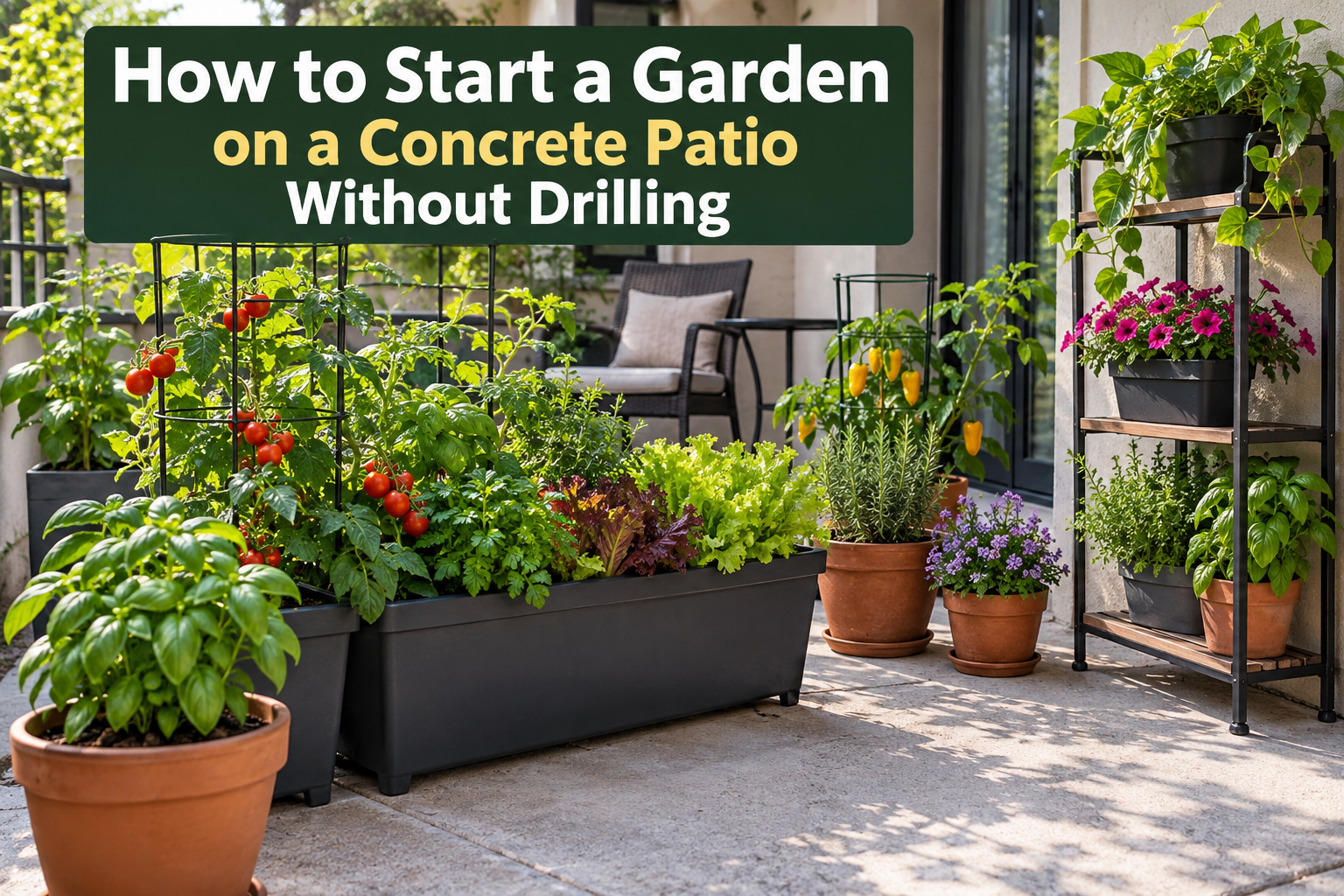
Balcony gardening is a wonderful way to bring greenery into your home, especially when outdoor space is limited. However, watering plants can create an unexpected problem. Excess water often escapes through drainage holes, runs across balcony floors, and drips onto neighbors living below.
If you are wondering how to prevent water dripping from balcony planters, the good news is that several practical solutions can help. You do not need expensive equipment or complicated gardening systems to control excess moisture.
The most effective approach involves choosing suitable containers, improving watering habits, and collecting drainage water before it reaches the balcony edge.
Whether you live in an apartment in the USA, a flat in the UK, or a condominium in Canada, these methods can help you maintain a beautiful balcony garden without creating unnecessary mess.
Why Do Balcony Planters Drip Water?
Understanding why planters leak is the first step toward solving the problem.
Most planting containers include drainage holes at the bottom. These openings allow excess water to escape, preventing roots from sitting in constantly wet soil.
Although drainage is essential for healthy plants, uncontrolled runoff can become troublesome in elevated outdoor spaces.
Several common situations increase the amount of water escaping from containers.
Excessive Watering
Adding more water than the soil can comfortably hold causes additional moisture to leave through drainage openings.
This often happens when gardeners water every plant using the same amount without checking individual moisture requirements.
Poor Potting Soil
Old, compacted, or unsuitable potting soil can affect water distribution.
Sometimes water travels through gaps along the container walls instead of spreading evenly throughout the growing medium.
Incorrect Container Design
Some hanging baskets and railing planters have large drainage openings without suitable collection trays.
Water can escape directly onto floors, railings, or balconies underneath.
Heavy Rainfall
Outdoor planters may overflow during prolonged rainfall, particularly when the containers are already saturated.
Even careful watering cannot completely eliminate natural rainwater drainage.
1. Use Plant Saucers Under Every Container
One of the simplest ways to stop dripping water is to place a saucer underneath each balcony planter.
Plant saucers collect moisture that escapes through drainage holes before it reaches the floor.
They are available in plastic, ceramic, terracotta, and other materials.
Choose a saucer slightly wider than the base of your container.
A larger collection surface provides additional protection when water flows from several drainage openings.
Choose Deep Saucers
Shallow trays may overflow when plants receive generous amounts of water.
Deep saucers provide more collection capacity and reduce accidental spills.
However, collected water should not remain around plant roots for extended periods.
Empty the trays after drainage finishes to reduce the risk of root problems and standing water.
2. Install Self Watering Balcony Planters
Self watering planters offer another convenient solution for apartment gardeners.
These containers include an internal water reservoir that supplies moisture gradually to the growing medium.
Instead of watering frequently from above, you fill the reservoir according to the manufacturer’s instructions.
The plant absorbs moisture as needed through a suitable wicking system.
This design can reduce routine drainage and minimize unwanted dripping.
Benefits of Self Watering Containers
Self watering planters are particularly useful for busy households.
They help maintain more consistent soil moisture and may reduce watering frequency during warm weather.
Many models also include indicators showing when the reservoir needs refilling.
Choose containers with controlled overflow outlets and suitable reservoir capacity.
Remember that excessive rainfall can still produce overflow, even in these specialized planters.
3. Water Plants Slowly and Carefully
Incorrect watering techniques are among the biggest causes of balcony runoff.
Pouring large quantities of water quickly can overwhelm the soil and send unnecessary moisture through drainage holes.
Instead, water gradually and allow the growing medium to absorb moisture.
Use a watering can with a narrow spout for better control.
Apply water close to the soil surface rather than splashing leaves, walls, and surrounding surfaces.
Check Soil Moisture First
Before watering, insert your finger approximately one inch into the potting mix.
For many common container plants, slightly dry soil near the surface indicates that watering may be needed.
However, moisture requirements vary depending on the plant species, container size, and weather conditions.
Avoid following a rigid daily schedule without checking the soil.
Watering only when necessary can significantly reduce unwanted drainage.
4. Choose Planters With Built In Drainage Trays
Some balcony containers include integrated trays designed to catch escaping water.
These planters provide a cleaner appearance than separate saucers and can work well in compact spaces.
Look for models featuring removable collection compartments.
Removable trays make cleaning easier and allow you to empty excess water without lifting heavy containers.
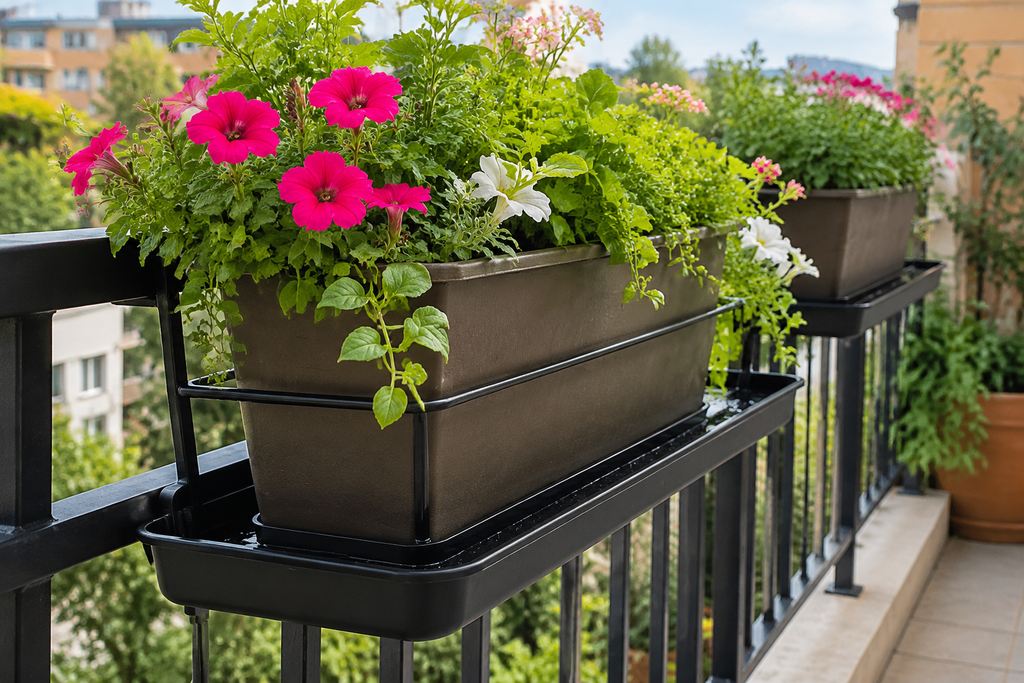
Consider Railing Planters
Railing planters are popular because they save valuable floor space.
However, traditional designs may allow water to drip directly onto lower balconies.
Choose railing planters with integrated reservoirs or secure collection systems.
Make sure the containers are properly attached and suitable for your railing design.
Safety should always come before appearance, especially on higher floors.
5. Improve Your Potting Mix
Healthy potting soil plays an important role in controlling how water moves through containers.
A suitable growing medium absorbs moisture while allowing excess water to drain.
Avoid filling balcony planters with dense garden soil.
Ordinary ground soil can become compacted inside containers and interfere with healthy root development.
Instead, select a quality potting mix intended for container gardening.
Add Moisture Retaining Ingredients
Some potting mixes contain coconut coir, composted materials, or other ingredients that help retain useful moisture.
These materials can improve water distribution and reduce rapid drying.
However, the correct mixture depends on the plants you are growing.
Succulents require different conditions from leafy vegetables or flowering annuals.
Never block drainage holes with soil, stones, or waterproof material simply to prevent dripping.
Proper drainage remains essential for most container plants.
6. Place Waterproof Mats Beneath Planters
Waterproof balcony mats provide an additional protective layer underneath containers.
These products are particularly useful when several plants are arranged together.
A suitable mat or shallow containment tray can help collect small spills and protect flooring from moisture damage.
Choose materials designed for outdoor conditions.
They should tolerate sunlight, changing temperatures, and regular exposure to water.
Avoid Trapping Moisture
Waterproof coverings should not create hidden pools beneath containers.
Trapped moisture can encourage unpleasant odors, slippery surfaces, and damage to certain flooring materials.
Check underneath mats regularly and remove collected water.
For wooden balcony floors, consider raised trays that allow ventilation beneath the containers.
Always follow building rules concerning waterproof coverings and drainage.
7. Move Planters Away From Balcony Edges
Container placement can make a surprising difference in preventing dripping problems.
Planters positioned directly along balcony edges may allow runoff to reach the exterior.
Moving them inward creates additional space for controlling and collecting water.
Place containers on stable stands or dedicated gardening shelves.
Keep collection trays securely positioned beneath every planter.
Protect Neighbors Below
Water dripping onto another apartment can create inconvenience and potentially damage outdoor furniture.
Avoid watering hanging baskets directly above neighboring balconies.
Consider relocating hanging containers to positions where drainage can be collected safely.
Never allow plant stands or containers to obstruct emergency exits or designated balcony drainage points.
8. Use Drip Irrigation With Controlled Watering
A small drip irrigation system can improve watering efficiency for larger balcony gardens.
These systems deliver measured amounts of water directly to the soil.
Compared with uncontrolled overhead watering, properly adjusted drip irrigation can reduce unnecessary runoff.
A basic setup may include flexible tubing, adjustable emitters, and a timer.
Adjust Water Delivery
Begin with short watering periods and observe how quickly the soil absorbs moisture.
If water begins escaping excessively, reduce the duration or flow rate.
Different plants may need separate adjustments.
Regularly inspect connections for leaks.
Even an efficient irrigation system can create dripping problems when fittings become loose or timers operate too frequently.
9. Water During Suitable Weather Conditions
Weather influences how much moisture balcony plants need.
Hot summer afternoons often increase evaporation, while cool or cloudy conditions may reduce water demand.
Watering during the morning is generally convenient because temperatures are usually lower than during midday.
Plants can absorb moisture before afternoon heat increases.
Adjust for Seasonal Changes
Balcony gardens in Canada may need substantially less water during cool autumn weather.
Similarly, gardens in the UK often receive regular rainfall that reduces the need for additional watering.
In warmer American regions, container plants may require more frequent moisture checks.
Always evaluate actual soil conditions instead of assuming every season requires identical watering.
10. Select Containers With Suitable Drainage
Container design affects both plant health and water management.
Planters with excessively large or poorly positioned drainage openings may release water in concentrated streams.
Containers featuring multiple smaller openings can sometimes distribute drainage more evenly.
However, hole size alone does not determine how much water escapes.
Potting mix, rainfall, plant size, and watering habits also matter.
Avoid Completely Sealed Containers
A decorative pot without drainage holes may appear to solve dripping problems.
Unfortunately, trapped water can damage roots and eventually kill sensitive plants.
A safer alternative is placing a nursery pot inside a decorative outer container.
Remove the inner pot when necessary and empty accumulated water from the outer container.
11. Create a Dedicated Balcony Watering Area
If you maintain several containers, consider establishing one designated watering location.
Choose an area where runoff can be collected without reaching balcony edges.
Place a large waterproof tray underneath plants while watering.
Allow drainage to finish before returning containers to their usual positions.
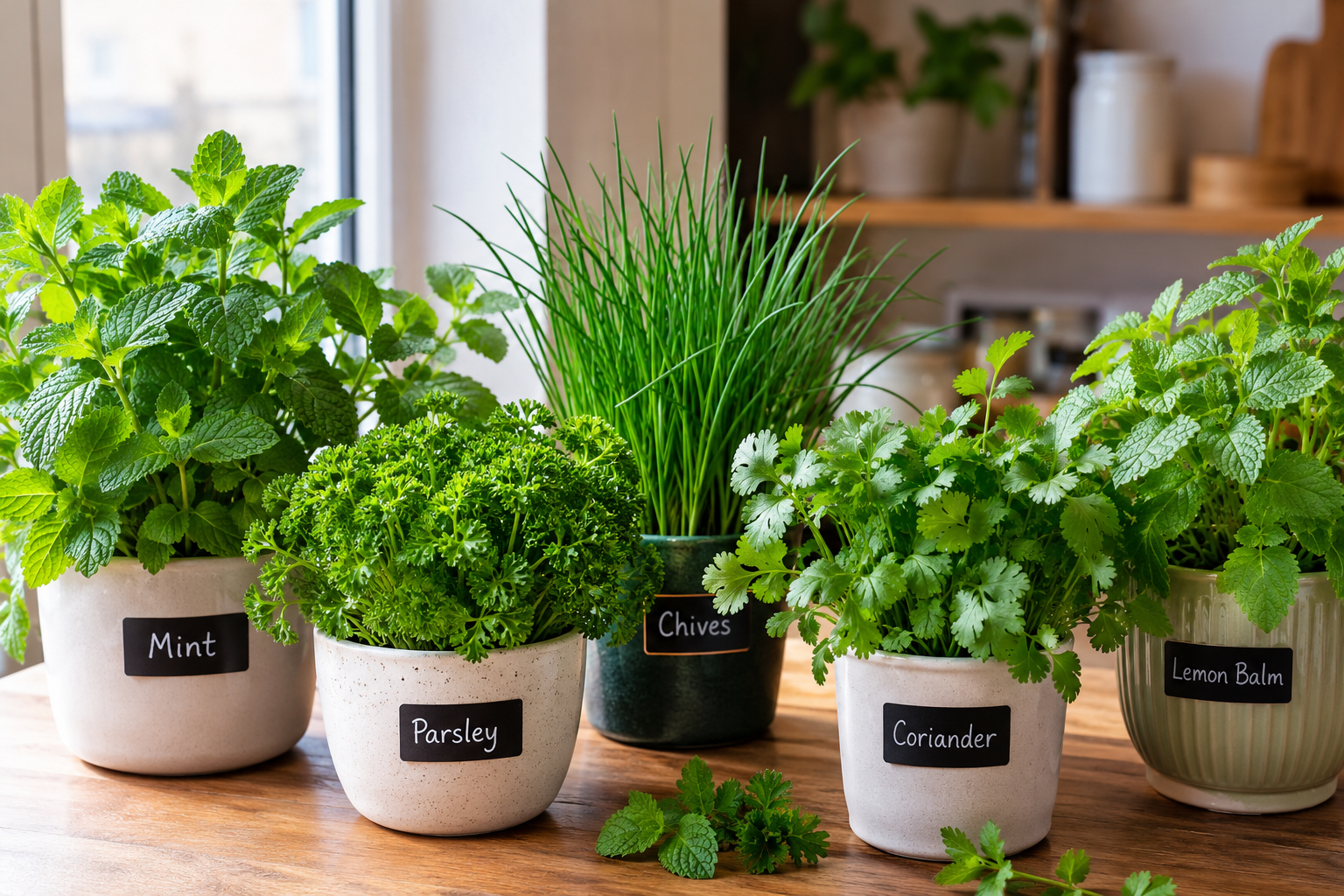
This approach works especially well for small herb pots and lightweight flowering plants.
For heavier containers, individual collection trays are generally more practical.
A dedicated watering area also makes cleaning simpler and helps prevent accidental spills.
12. Maintain Your Planters Regularly
Routine maintenance prevents many drainage problems before they become serious.
Inspect collection trays for cracks and overflowing water.
Check containers for damaged drainage openings or unstable positioning.
Remove fallen leaves and debris that may block balcony drainage channels.
During heavy rainfall, inspect exposed containers more frequently.
Clean standing water promptly to discourage mosquitoes and maintain a pleasant outdoor environment.
Regular maintenance protects both your plants and the surrounding property.
Common Mistakes to Avoid
Many gardeners unintentionally make dripping problems worse through simple mistakes.
Overfilling saucers is a frequent example.
Another mistake involves blocking drainage holes to stop water from escaping.
This prevents necessary drainage and may cause root rot.
Using oversized watering cans without controlling the flow can also produce unnecessary runoff.
Finally, ignoring rainfall often leads to watering soil that is already saturated.
Better observation and consistent care can prevent most of these issues.
Frequently Asked Questions
How can I stop water dripping onto my downstairs neighbor?
Use deep collection saucers, move containers away from exposed balcony edges, and water gradually.
Choose self watering planters for additional control.
Empty collected water regularly and inspect containers after heavy rainfall.
Can balcony plants survive without drainage holes?
Some plants can grow in carefully managed closed systems, but most traditional container plants benefit from drainage.
Using a nursery pot inside a decorative container is generally safer than permanently sealing drainage openings.
Are self watering planters suitable for outdoor balconies?
Yes, many models work well outdoors.
Choose weather resistant products with appropriate overflow features and secure placement.
Follow the manufacturer’s recommendations and adjust reservoir refilling according to seasonal conditions.
What should I put underneath hanging baskets?
Use properly fitted hanging basket drip trays or containers with integrated reservoirs.
Ensure any attachment is secure and does not create a falling hazard.
How often should balcony planters be watered?
Watering frequency depends on plant species, sunlight, container size, temperature, and rainfall.
Check the growing medium regularly and water according to actual moisture needs.
Conclusion
Learning how to prevent water dripping from balcony planters makes container gardening cleaner, safer, and more enjoyable.
Simple improvements such as deep saucers, controlled watering, suitable potting mixes, and carefully positioned containers can greatly reduce unwanted runoff.
Self watering systems and integrated collection trays provide additional convenience when balcony space is limited.
The goal is not to eliminate essential plant drainage, but to manage escaping water responsibly.
With thoughtful planning and regular maintenance, you can enjoy healthy balcony plants while keeping surrounding surfaces dry and respecting neighbors below.