Related Articles
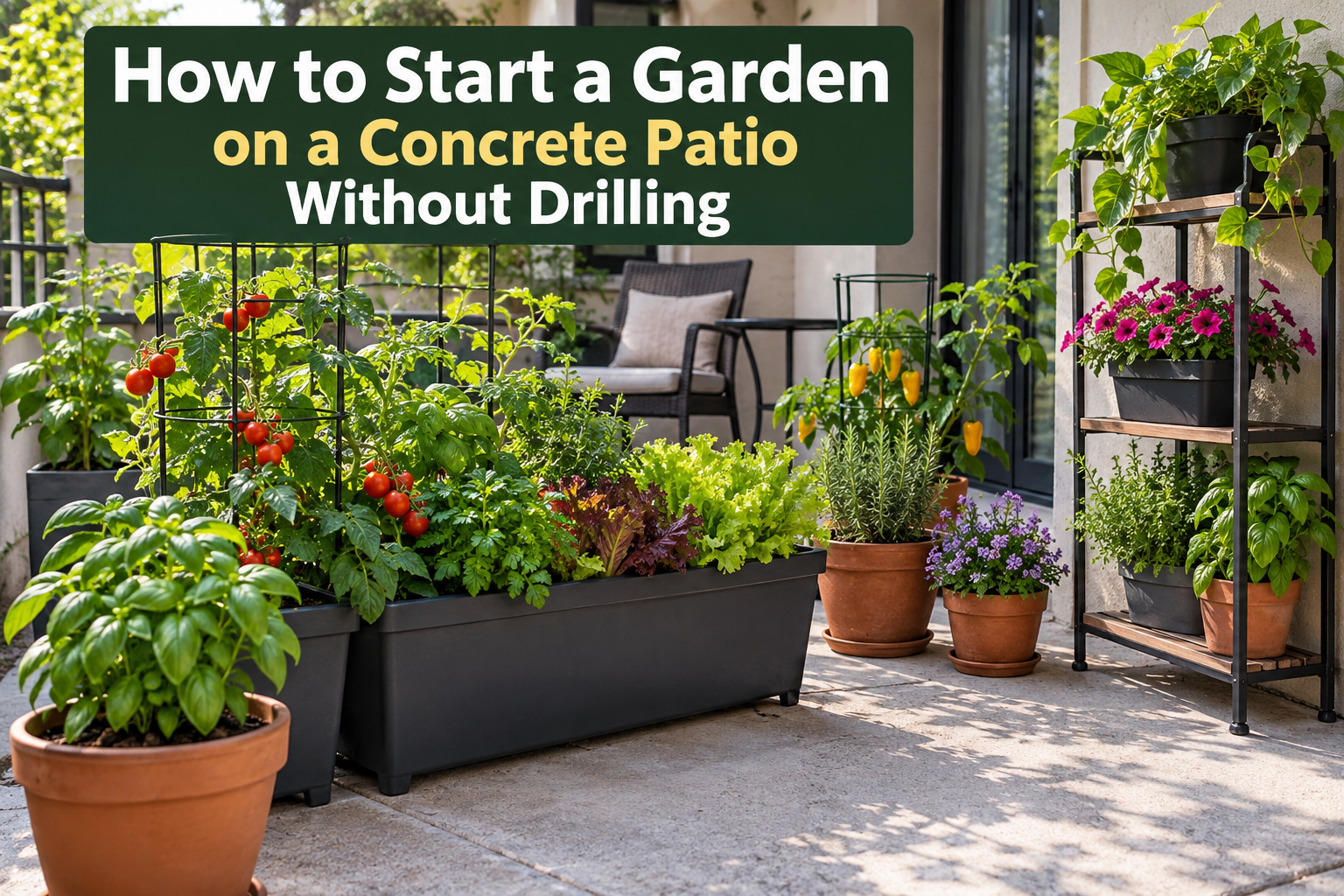
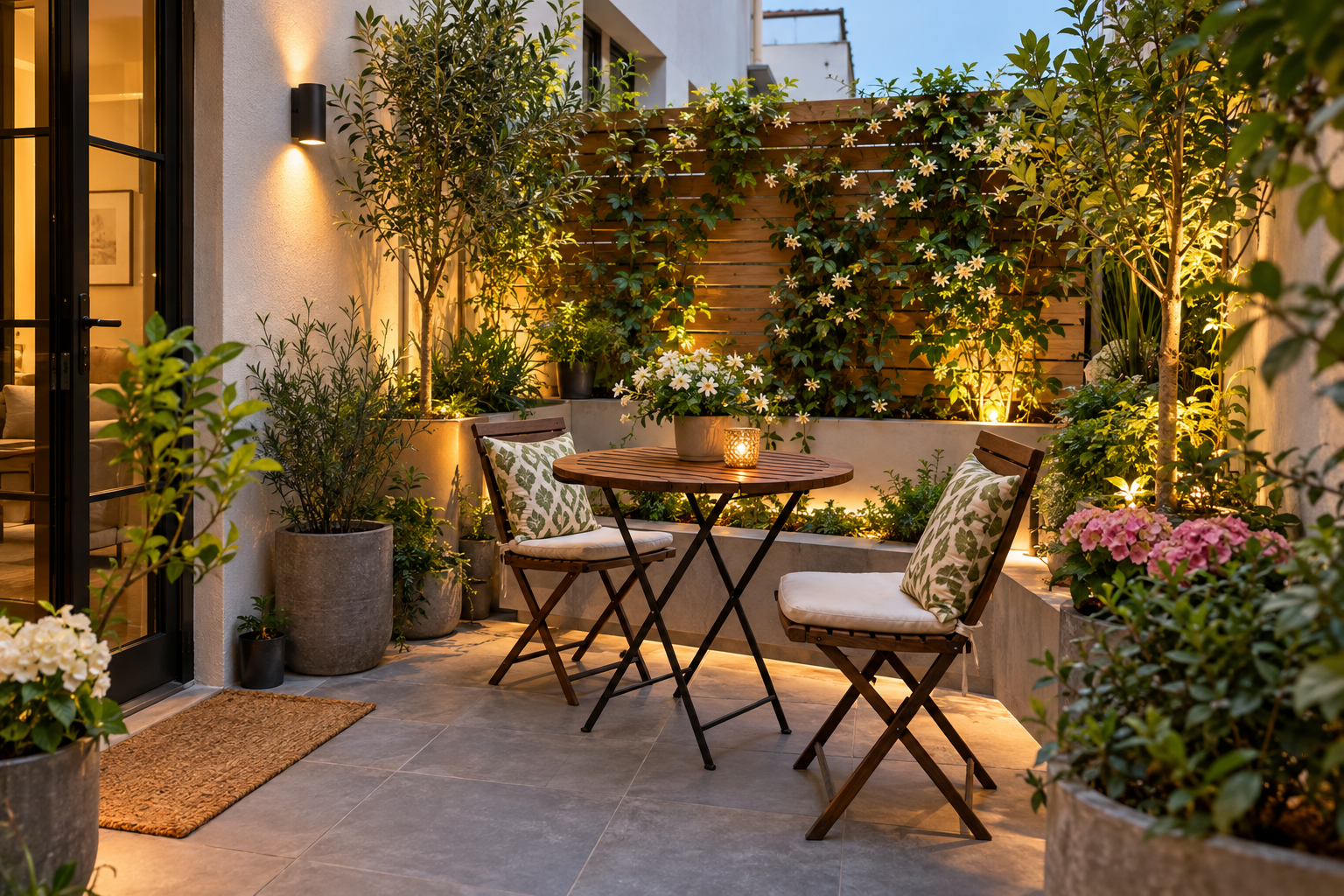
A small balcony, sunny doorstep, or compact patio can produce more fresh food than you might expect. You do not need raised beds or an enormous collection of containers to begin. A three gallon grow bag offers enough growing space for several vegetables, provided you choose suitable varieties and give their roots consistent care.
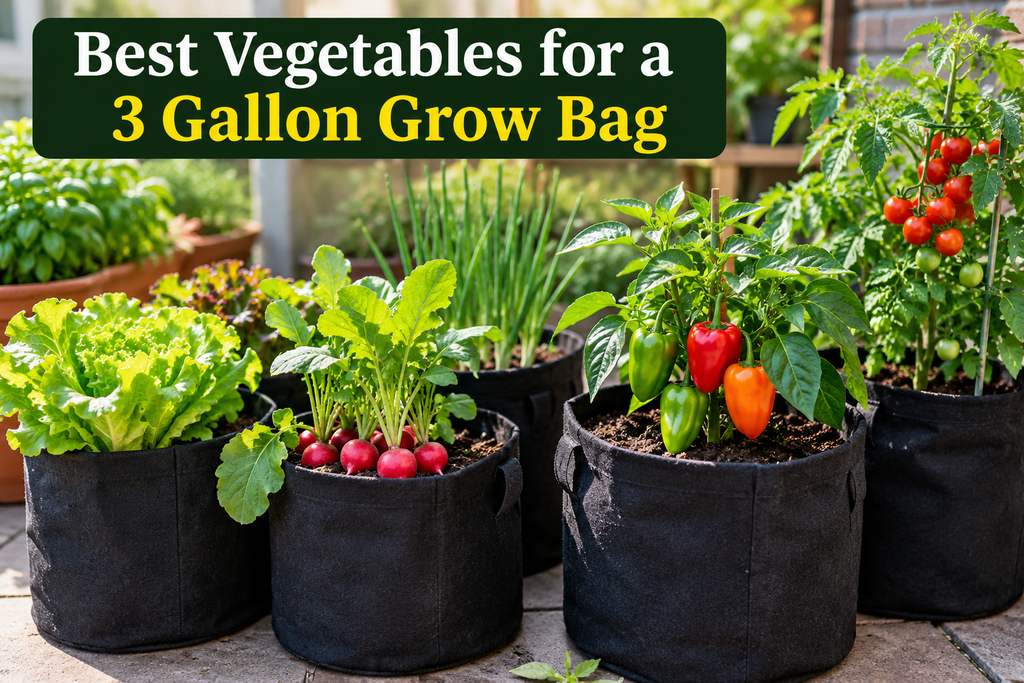
The best vegetables for a 3 gallon grow bag are generally compact crops with modest root systems, including lettuce, spinach, radishes, spring onions, and certain peppers. Some smaller tomato varieties can work too, although they need closer attention. This guide explains what to plant, how to manage your bags, and how to keep harvesting throughout the season.
Why Choose a Three Gallon Grow Bag?
Grow bags make vegetable gardening practical when you have limited room or cannot change the ground beneath your feet. Their flexible sides fit neatly into corners, and many fabric versions allow excess water to escape. You can move an empty bag easily and arrange several containers around available sunlight.
Three gallons is approximately eleven litres in the UK and Canada. Actual bag dimensions vary, so check the manufacturer’s capacity before buying. A shallow, wide bag behaves differently from a tall, narrow one, especially when growing roots.
The main limitation is moisture. Small volumes of potting mix dry faster than large planters, particularly during hot, windy weather. They also contain fewer available nutrients. Choosing vegetables that mature quickly or stay naturally compact makes your gardening experience considerably easier.
Best Vegetables for a 3 Gallon Grow Bag
1. Leaf Lettuce
Leaf lettuce is one of the most rewarding options for beginners. Its roots do not need a deep container, and you can harvest individual outer leaves while the centre continues growing. Loose leaf varieties usually make better use of limited space than large heading lettuces.
Sprinkle seeds thinly across moist potting mix, then thin seedlings according to the packet directions. Keep the soil evenly damp and provide morning sunshine with afternoon shade during warm periods. In cooler UK or Canadian weather, a brighter position can help plants develop steadily.
Harvest leaves when they reach a useful size rather than waiting for one enormous plant. Regular picking makes this container feel surprisingly productive.
2. Spinach
Spinach enjoys cool conditions and fits comfortably into compact bags. Choose a few plants rather than crowding the entire surface. Young leaves are tender and useful in salads, sandwiches, and cooked dishes.
Sow spinach in early spring or autumn when temperatures are mild. In many US regions, summer heat causes plants to bolt, meaning they produce flower stalks and the leaves may become bitter. Moveable bags give you the freedom to provide extra shade as needed.
Water consistently because sudden drying can stress the crop. Pick larger leaves first, leaving smaller growth to develop for another harvest.
3. Radishes
Radishes are excellent when you want a quick result. Many round varieties mature within roughly one month, although timing depends on temperature and seed selection. Their compact size makes a three gallon bag suitable for a small cluster of plants.
Choose a bag deep enough for your particular variety. Round radishes are usually easier than long types. Sow directly where they will grow and thin seedlings promptly so each root has room to swell.
Keep moisture steady. Alternating very dry and very wet conditions can cause disappointing texture or splitting. Harvest promptly once roots reach the size described on the seed packet.
4. Spring Onions
Spring onions, also called scallions or green onions, are useful plants for limited spaces. They grow upright rather than spreading widely, leaving more room around the container edge. A modest planting can supply fresh flavour for several meals.
Start them from seed or small transplants in loose potting mix. Give them good light and keep the growing medium moist without leaving it saturated. You can pull whole onions as needed, allowing the remaining plants to grow larger.
Their slender shape also makes them a practical companion to leafy vegetables, although every additional plant still competes for water and nutrients.
5. Baby Carrots
Short rooted carrot varieties can succeed in a three gallon bag if the container provides sufficient depth. Look for round or short types rather than long storage carrots. Read the seed packet for expected root length before deciding what to grow.
Use a fine, loose potting mix without large clumps. Sow directly and thin carefully, since crowded seedlings often produce small or misshapen roots. Carrots appreciate consistent moisture while seeds germinate, which sometimes takes longer than beginners expect.
Avoid pulling them up repeatedly to check progress. Instead, watch the shoulders near the soil surface and harvest according to the variety’s recommended maturity period.
6. Compact Peppers
A small pepper plant can produce attractive fruit in a three gallon bag, particularly when you choose a naturally compact variety. Miniature sweet peppers and smaller chilli cultivars are more realistic choices than large, vigorous plants.
Peppers appreciate warmth, strong sunlight, and steady feeding. Plant one pepper per bag and provide a small support if developing fruit makes the stems heavy. During hot weather, check moisture frequently because the roots have limited reserves.
Gardeners in cooler parts of the UK and Canada may benefit from starting peppers indoors and moving them outside after frost danger passes. Choose early varieties where summers are short.
7. Bush Beans
Compact bush beans can grow in small containers, but planting density matters. Select a dwarf variety and follow its spacing recommendations. A three gallon bag may support a couple of plants, depending on the bag shape and cultivar.
Beans generally need several hours of direct sunshine to flower and produce well. Sow after soil temperatures warm and frost risk has passed. Avoid overfeeding with nitrogen rich fertilizer, which can encourage leaves instead of pods.
Harvest young pods frequently to encourage continued production. If plants become crowded or wilt rapidly despite sensible watering, use a larger bag next season.
8. Dwarf Tomatoes
Tomatoes need more root space than leafy greens, so choose carefully. Most standard patio and bush tomatoes perform better in larger containers. However, genuinely miniature or micro dwarf varieties can grow in three gallons when managed thoughtfully.
Plant just one tomato in the bag, position it in generous sunlight, and monitor watering closely. Irregular moisture can contribute to fruit problems, including blossom end rot. A balanced tomato fertilizer may help once the plant begins active flowering and fruiting.
For reliable harvests with less maintenance, consider upgrading tomatoes to a five gallon or larger container. Three gallons should be viewed as a compromise, not the ideal size for every tomato.
How to Set Up Your Grow Bag Successfully
Choose the Right Potting Mix
Never fill a grow bag with dense garden soil alone. It may compact, drain poorly, and make root growth difficult. Instead, use a quality container potting mix that retains some moisture while allowing excess water to drain.
A mix containing composted organic material and ingredients such as perlite can work well. If your bag sits on a balcony, place a suitable saucer underneath to protect neighbours and surfaces from runoff, but empty collected water before roots remain submerged.
Position Bags for Suitable Sunlight
Different vegetables need different light levels. Fruiting crops such as peppers, beans, and tomatoes generally need at least six hours of direct sunlight, with more often beneficial. Lettuce and spinach can tolerate some shade, especially during warmer months.
Watch the space over a full day before positioning containers. Nearby buildings, balcony railings, and seasonal changes can make a supposedly sunny location surprisingly dim.
Water Without Overdoing It
Push a finger into the top inch of potting mix to judge whether watering is needed. If it feels dry, water slowly until moisture reaches the root zone and some drains out. Avoid relying on a rigid daily schedule because wind, rain, and temperature change demand.
Fabric bags often dry around their edges first. Check them during heatwaves, especially on exposed balconies. Morning watering gives plants time to absorb moisture before the hottest part of the day.
Feed Plants Carefully
Potting mix eventually runs low on accessible nutrients. Start with a mix that includes suitable fertilizer, then follow the label directions for additional feeding. Leafy greens usually need less intensive feeding than fruiting vegetables.
Do not assume extra fertilizer means extra vegetables. Overfeeding can damage roots or encourage excessive leafy growth. Small, regular applications at the recommended strength are usually safer than occasional heavy doses.
Common Mistakes to Avoid
Overcrowding is perhaps the most common problem. One healthy pepper often performs better than several struggling peppers squeezed into the same bag. Likewise, leaving unthinned radishes results in plenty of leaves but disappointing roots.
Another mistake is choosing crops solely because the seed packet looks appealing. Full sized courgettes, pumpkins, large cabbages, and vigorous cucumber varieties generally need substantially more root space. Choose compact vegetables first and save ambitious crops for bigger containers.
Finally, remember that drainage and watering work together. A bag with excellent drainage still needs enough moisture, while a bag sitting constantly in water can develop unhealthy roots.
Growing Tips for Different Climates
United States
Growing conditions vary enormously between states. Gardeners in warm southern regions may find that lettuce and spinach perform best during cooler months. Northern gardeners can plant these crops in spring and again in late summer. Always consider local frost dates and summer temperatures.
United Kingdom
Cool springs and changeable weather suit many leafy vegetables. Protect young plants from prolonged heavy rain and strong winds, and delay planting tender peppers or tomatoes outdoors until nights are reliably warm. A sheltered, sunny spot improves results.
Canada
Short growing seasons make quick crops particularly useful. Radishes, lettuce, and spring onions can provide harvests before autumn cold arrives. In colder areas, start peppers and miniature tomatoes indoors, then harden them off gradually before moving containers outside.
Frequently Asked Questions
Can I grow potatoes in a three gallon grow bag?
You can experiment with a small seed potato, but harvests will be limited. Potatoes usually benefit from larger bags that provide additional room for developing tubers and steady moisture. If potatoes are your main goal, choose a bigger container.
How many vegetables should I plant in one bag?
It depends on the crop. One compact pepper or micro dwarf tomato is a sensible starting point. Leafy vegetables and radishes can share a bag when spaced properly. Follow seed packet spacing and thin rather than allowing overcrowding.
Are fabric grow bags better than plastic containers?
Neither option is automatically better. Fabric bags provide air movement around roots and good drainage but may dry quickly. Plastic containers retain moisture longer and are easier to clean. Choose based on your weather, watering habits, and available space.
Can I reuse the potting mix next year?
Yes, if previous plants were healthy and the mix remains in good condition. Remove old roots, refresh with suitable compost or fertilizer, and replace material that has become compacted or contaminated. Avoid reusing soil from plants with serious disease problems.
What vegetables grow best with partial shade?
Leaf lettuce, spinach, and spring onions are reasonable choices when direct sunshine is limited. They still need bright conditions for good growth. Fruiting vegetables generally produce less in shade, so reserve your sunniest positions for peppers and tomatoes.
Conclusion
A three gallon grow bag is small, but it can still support a satisfying kitchen garden. Begin with lettuce, spinach, radishes, spring onions, or short carrots for manageable results. Try compact peppers, dwarf beans, or miniature tomatoes when you can provide stronger sunlight and more attentive care.
Choose varieties suited to your climate, avoid overcrowding, and check moisture regularly. With thoughtful planting and timely harvesting, even one modest balcony container can bring fresh vegetables closer to your kitchen.
For your first season, keep a simple notebook of planting dates, watering patterns, and harvests. Those small observations will help you choose better varieties with each new planting.