Related Articles
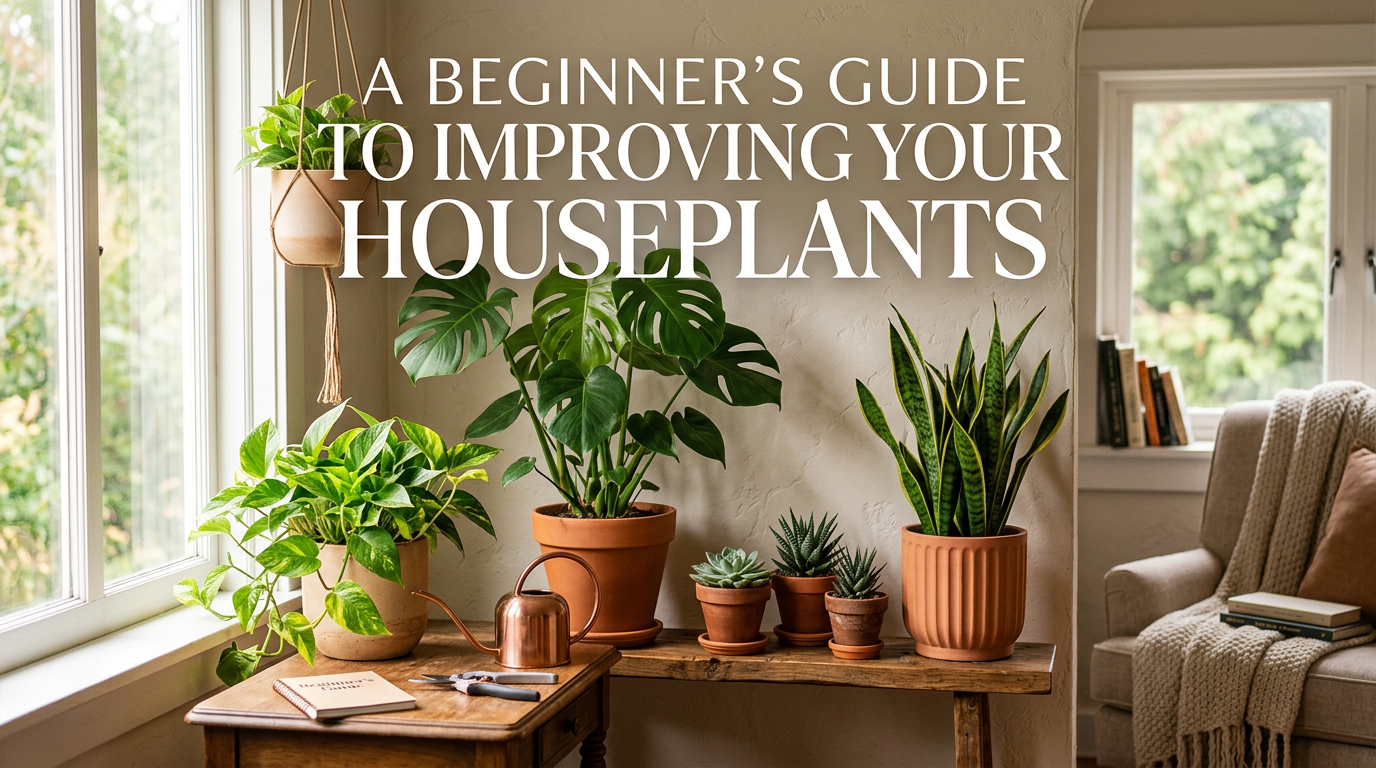
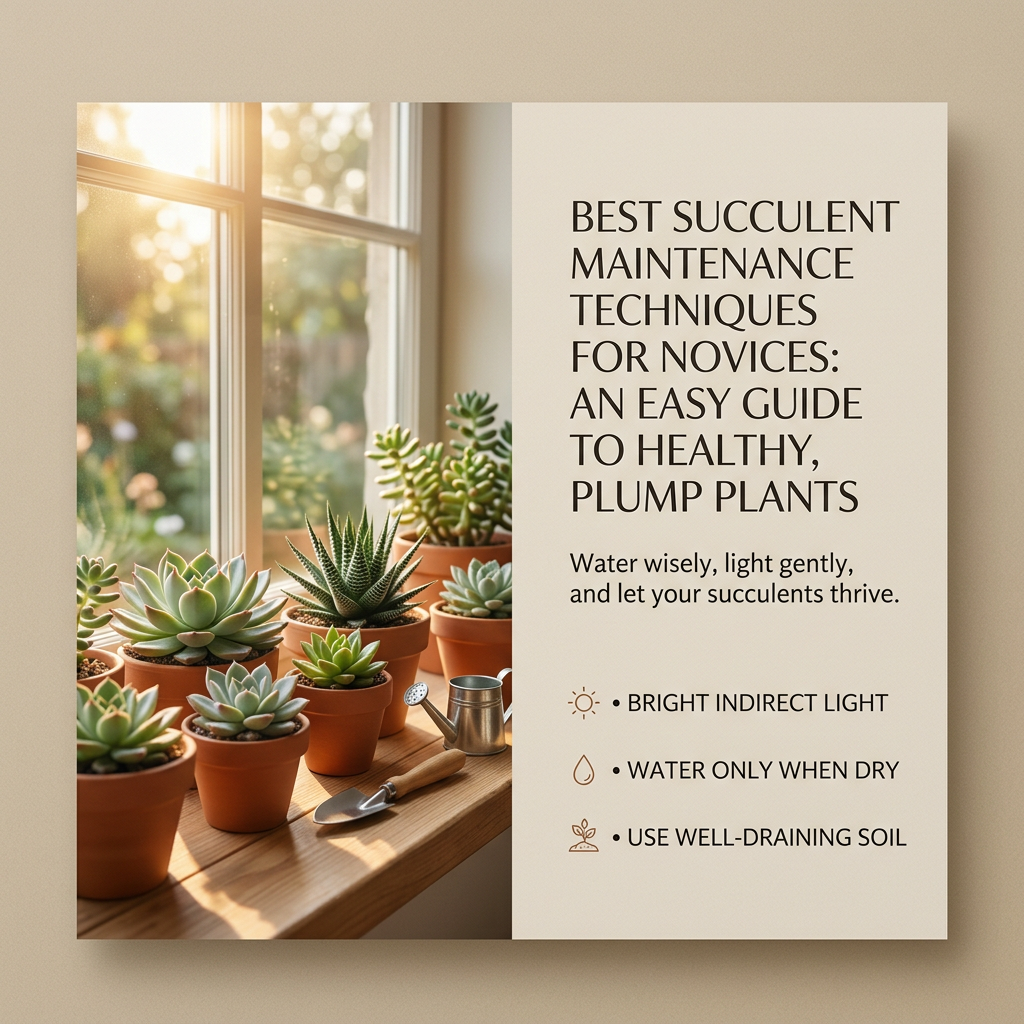
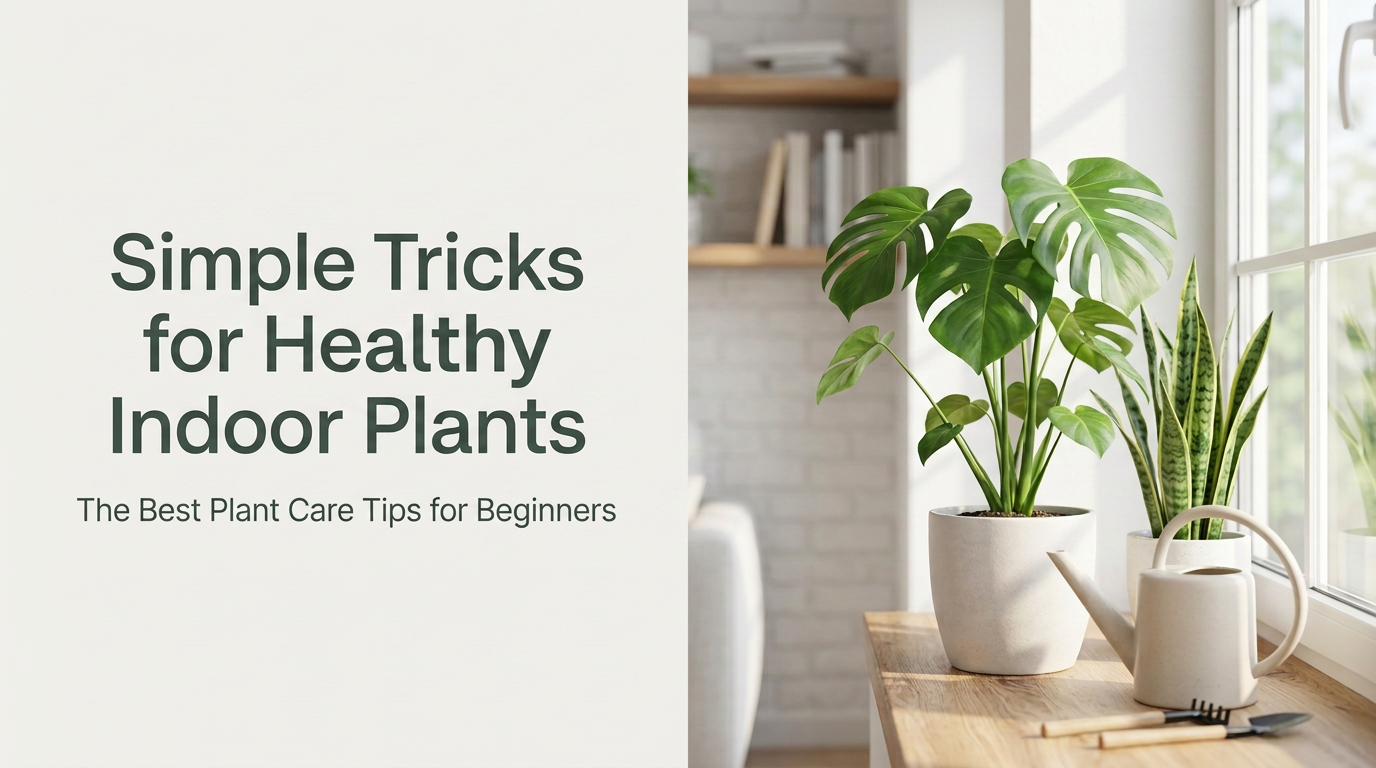
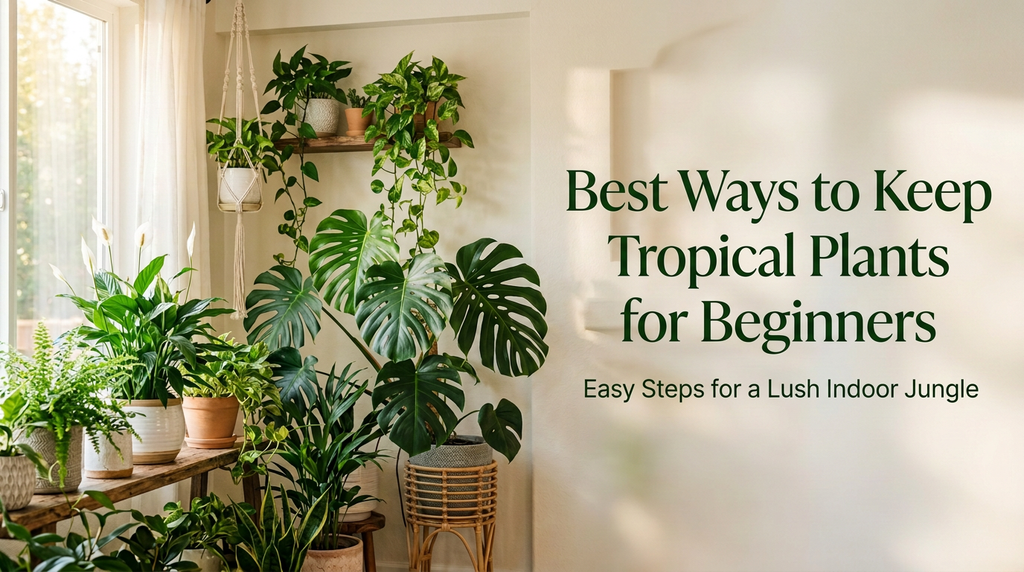
One of the few things that adds a feeling of freshness and vitality to a house is a tropical plant. Big shiny leaves, dramatic patterns and graceful vines bring a miniature rainforest to the living room, and many people dream of being surrounded by that kind of green energy. But tropical plants are nothing if not dramatic. One week they look perfect and the next a leaf goes brown for no apparent reason. If this sounds like you, you are not alone. You have not failed.
Tropical flora are honest, in a word. They are really good teachers because they quickly let you know when something is wrong. Once you know how to read their signals and give them the conditions they like, they settle in and grow surprisingly fast. This guide will take you through the best ways to look after tropical plants as a beginner, with easy explanations and little technical terms. Give yourself time and your house could become a peaceful green sanctuary.
Think of the floor of a rainforest.
The easiest way to remember how to treat tropical plants (and how not to treat them) is to pretend where they are from. Many of them live under tall trees in warm, humid forests. Instead of harsh direct sunlight, they receive soft, filtered sunlight. It rains often, but the water soon evaporates, for the soil is loose and rich in leaf mould. There are no bitter winters and the air remains warm throughout the year.
Try to reproduce in your house those basic conditions and then most of your questions about maintenance will become evident. Aim for stable temperatures, slightly more humidity in the air, moist but not waterlogged soil, and bright but not intense light. You don’t have to copy the rainforest exactly. You just need to get close enough for your plant to be comfortable.
Start with beginner-friendly varieties.
Your first choices matter because not all tropical plants are created equal. Pothos is a great starter plant, with heart shaped leaves and tendrils that will grow in just about any spot. Heartleaf philodendron is tolerant too. Monstera is easy to care for and grows quickly, so you can see that progress. It has those signature split leaves that are just so satisfying. Other dependable plants that can tolerate average home conditions are Chinese evergreen, peace lily, spider plant, dracaena and rubber plant.
Some tropical favourites have much higher requirements. Some orchids, fittonia, calathea and maidenhair fern need careful watering and very consistent humidity. Lovely though they are, they can be irritating to the new grower. It’s a good idea to start out with two or three hardy plants and learn their habits before adding more delicate plants as you gain confidence.
When buying, look for plants with strong stems, evenly coloured leaves and signs of new growth. Check the soil for mould or a foul smell, and look for insects or sticky patches on the undersides of the leaves. A healthy plant helps.
Light: The Foundation of Positive Development
Light is the fuel for all aspect of a tropical plant’s growth so you should focus on that first. Most tropical houseplants prefer bright indirect light. This is a place by a window where the plant can see a lot of sky, but the sun does not shine directly on the leaves for a few hours. Soft east-facing windows are often perfect. For south or west facing windows the plant will do fine being placed a few feet back or behind a sheer curtain.
Focus on the plant itself. If the stems of the plant are long and thin and there are wide spaces between the leaves, it needs more light. The sunlight is too strong, the leaves look washed out or get crispy brown spots. New growth that is smaller than older leaves also indicates low light.
Be sure to rotate your plants a quarter turn each week to promote even growth. Frequently dust the leaves because a thin curtain of dust covers the leaf surface. During the darker months, bring plants closer to a window or use a full spectrum grow light for a few hours each day. People are often surprised at how much fresh growth comes on after installing just one small lamp.
Watering Attentively and Carefully
Tropical plants like moisture, but they don’t like to be underwater. Soggy soil is one of the most common causes of plant problems because it deprives the roots of oxygen. The healthiest way is to water the plant generously after allowing the top soil to dry up a little bit.
For most tropical plants, insert your finger into the top inch or two of soil. If it looks dry, water slowly until liquid drains out of the drainage holes, then empty the saucer and let the pot drain. Rubber plants and ZZ plants with thicker leaves or stems like to dry out a bit more. Moisture-loving plants such as ferns and peace lilies like the soil to be slightly damp, never soggy.
“Watch your plant for clues. Droopy but firm leaves are a sign of thirst and the plant will generally pick up within a few hours of watering. Yellow leaves with soft stems and a musty smell mean too much water. Brown, crispy leaf tips can be caused by dry air, irregular watering or minerals in tap water. Try filtered water or rainwater if your water is too hard. Use room temperature water whenever possible, as cold water can shock the roots.
The seasons play a part in water needs, too. In summer plants grow faster and use more water. Growth slows in the winter, the light is lower and it takes longer for the soil to dry out, so you will water far less often.
Breathable Soil Pots for Roots
Good leaves start with healthy roots, and having the right soil and container is essential. Tropical plants like a light, airy mix that drains well but holds some moisture. Use a good indoor potting mix as a good base. Add some orchid bark and a handful of perlite to improve it. A simple mix of two parts potting mix, one part perlite and one part bark works well for monstera, philodendron and many other plants.
Always choose pots with drainage holes. If you want a pretty container but don’t want holes, use it as a cover and put the plant in a plain nursery pot. When picking the size, select a pot that is one or two inches bigger than the root ball that is currently there. A too large pot keeps excess damp soil, which means it stays damp longer and rot is encouraged.
Terracotta pots allow air and moisture to circulate, which is handy if you have a tendency to over-water. Plastic pots hold soil moisture longer, which is good for plants that like consistent moisture or for owners who forget to water. Neither is always better . Pick the one that best fits your habits .
Temperature & Humidity
Most tropical plants thrive in temperatures of 65 to 85 degrees Fahrenheit (18 to 29 degrees Celsius). In winter, keep them away from cold windows, open doors, heaters and air conditioner vents because they do not like rapid drops and drafts. Plants will sometimes drop lots of leaves at once when they are moved because of a temperature shock.
Many novices are taken aback by the humidity. Many tropical plants like humid air but homes are often dry, especially during the heating season. Dry air shows up as brown leaf tips, curled leaves and tiny spider mite webs. There are simple ways you can help. Group plants together, they give off moisture from their leaves. Put a small tray under the pot with the pebbles and water so the pot sits above the water. If you have multiple humidity lovers, get a smaller humidifier.
Tropical plants love a light filled bathroom or kitchen. Wet leaves can sometimes get spots . Misting can give a temporary boost but doesn’t increase the humidity over time . Trays, grouping or a humidifier will produce better results.
Eat Without Going Overboard
Tropical plants grow quickly when conditions are right and a little fertiliser helps them along. The key is moderation. Too much fertiliser will cause brown edges to the leaves, white crusts on the soil and burnt roots. Start with a balanced liquid houseplant fertiliser diluted to half the recommended strength on the label.
Spring and summer are the times to feed your plants when they are busy making new leaves. About once a month is good. Cut back or stop feeding in autumn and winter. Wet the plant before adding fertiliser to protect the roots. If a white crust forms on the surface of the soil, flush the pot several times with plain water, letting it drain thoroughly after each. Fertiliser won’t fix problems caused by insufficient light or watering, so make sure those basics are taken care of first.
Training, Cleaning & Pruning
Regular grooming keeps tropical plants attractive and healthy. Using clean scissors, remove any yellow, brown or damaged leaves, very close to the base. This keeps the plant tidy and keeps bugs away from rotting leaves. For vining plants such as philodendron and pothos, pinch or trim the stems just above a leaf node to encourage branching and a fuller appearance.
Big glossy leaves gather dust fast, blocking light. Every couple of weeks, wipe the leaves down with a soft, damp cloth, supporting the leaf under the leaf. Smaller plants can be rinsed under lukewarm water in the shower. Clean leaves are easier to check for pests, look nicer and absorb more light.
Many plants in the tropics are natural climbers. Monstera, philodendron, and pothos look gorgeous and grow bigger, fuller leaves on a moss pole or small trellis. Gently secure the stems to the support with soft plant ties. A great way to expand your collection is to root cuttings from trimmed stems in a jar of water and pot them up as new plants.
Repotting at the Right Time
Fast-growing tropical plants might require a new pot every year or two. This can be seen if water goes straight through the container, roots growing through drainage holes, densely circular roots on the surface or a plant that stops growing although cared for properly. Spring is the best time to repot, since the plant is about to enter its most active growth stage.
Gently loosen root ball and cut dark, squishy or mushy roots. Move to a pot one size larger. Replant in fresh soil at the same depth as before, and water sparingly. Keep it out of direct sunlight for about a week while it adjusts. Not all plants need a bigger pot. If the plant is big enough and mature enough you can keep it in the same container by just replacing the top layer of dirt and trimming the roots a little.
Problems and Pests
Tropical plants, especially in dry indoor settings, can attract common houseplant pests. Spider mites leave behind fine webbing and speckled leaves. Mealybugs look like bits of white cotton in the joints of leaves. Scale looks like little brown bumps on the stems and fungus gnats fly around wet soil. The secret to management is catching them early.
“Develop the habit of checking your soil, leaves and stems once a week. If you notice pests, separate the plant from the others, wash the leaves with a mild soap solution and apply neem oil or insecticidal soap once a week for several weeks. The mealybug can be effectively repelled by a cotton swab dipped in alcohol. Yellow sticky traps can be used to control fungus gnats, and allowing the soil to dry out slightly between waterings can help.
Good airflow keeps pests at bay so keep new plants separate from your collection for two weeks and don’t crowd them. The best defence is regular maintenance. A healthy, well cared for plant has an inherent resistance.
Create a Basic Weekly Schedule
The easiest way to keep tropical plants healthy is to establish a short routine. Spend ten to fifteen minutes a day, one day a week, with your plants. Check the soil moisture, water any plants that need it, rotate the pots, remove dead leaves and look for pests. Apply feeding and a leaf cleaning operation once a month during the growing season.
You can keep an eye on the patterns of each plant by making a simple note on your phone of when you watered it or repotted it. Before travelling, plants should be taken out of the direct hot sun and watered carefully. Longer trips may be assisted by a helpful neighbour or self-watering spikes. A routine can transform plant care from a stressful guessing game into a relaxing and pleasurable habit.
Closing thoughts
A key to success for new gardeners is to get a feel for the rainforest origins of tropical plants. Use airy soil and pots with drainage, keep air warm and slightly damp, give bright but soft light, water when the top soil dries, and feed sparingly during the growing season. Keep the leaves clean. Prune compassionately. Watch for pests. Keep the little stuff little.
Don’t get frustrated by a stubborn plant or a yellow leaf. Every grower learns with patience and observation. Slowly you’ll start to feel, almost intuitively, what your plants need. Your reward will be large, lovely leaves and a home that seems gloriously alive.