
Related Articles
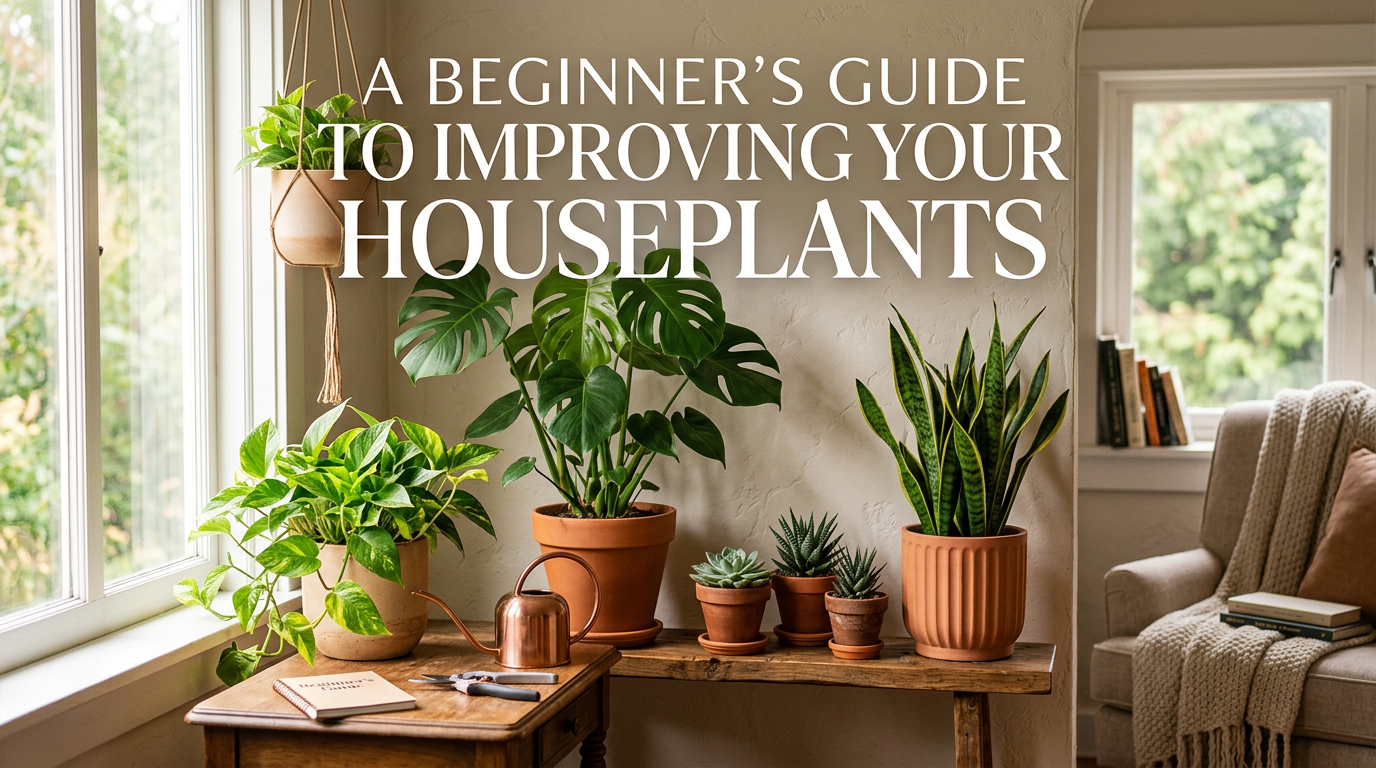
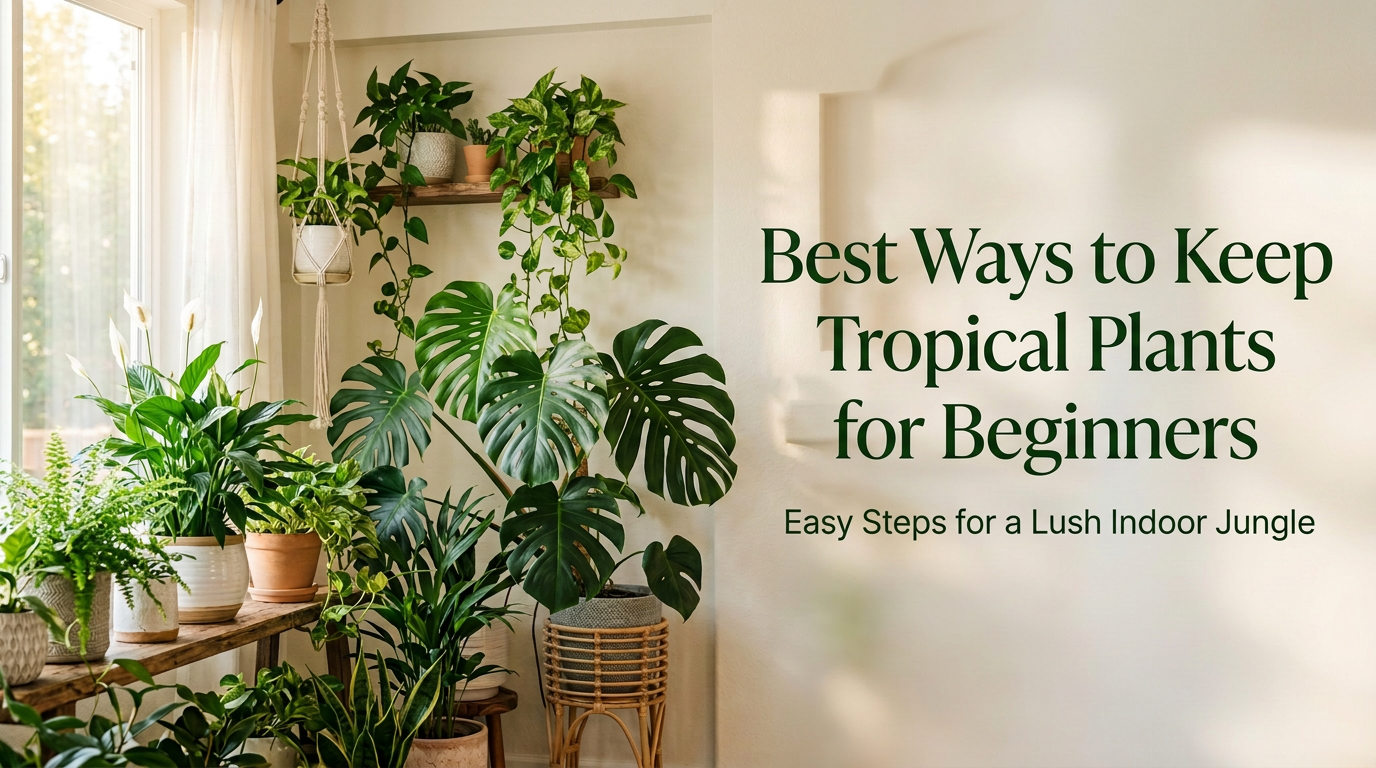
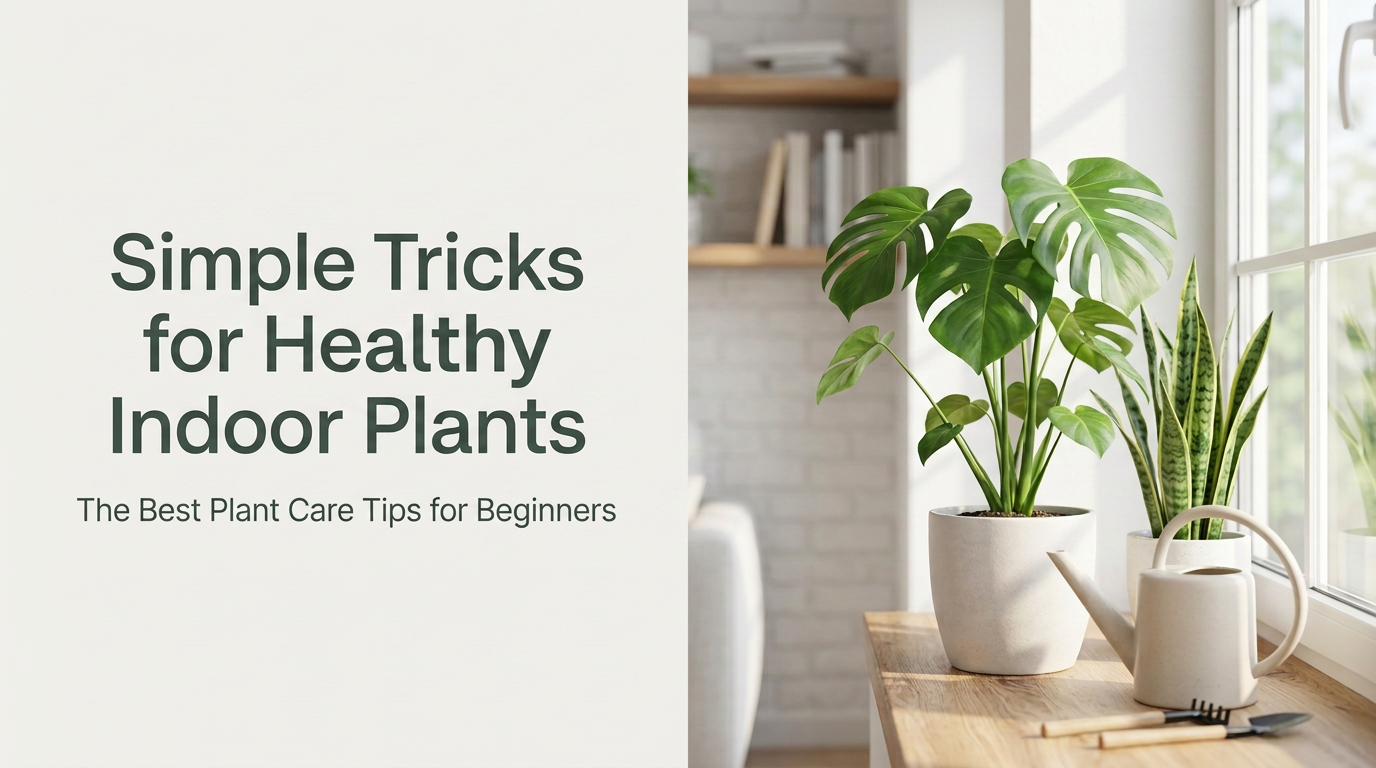
Hearts are won over by succulents. They are among the most endearing plants you can add to your house because of their plump leaves, sculptural forms, and delicate tones of green, blue, purple, and pink. Since they are frequently said to be impossible to kill, a lot of novices begin with them. However, the assertion is not totally accurate, as anyone who has witnessed a succulent go mushy or expand into a pallid, lanky shape would attest. Succulents require a specific type of care and are tough in a particular way.
The key is to keep in mind their origins. The majority of succulents thrive in arid, sunny climates with gritty soil and little precipitation. In order to withstand protracted dry spells, its thick leaves and stems function as small water reservoirs. The greatest strategies to preserve them become second nature once you realise this. For novice plant enthusiasts, this guide explains light, water, soil, pots, seasonal maintenance, and typical issues in an approachable and useful manner.
Understand Your Succulent Before You Begin
Hundreds of different plants fall under the umbrella term “succulent,” although not all of them exhibit the same behaviours. Among the most well-known are the rose-shaped rosettes of echeveria, the thick, woody stems of jade plants, the spiky, juicy leaves of aloe vera, the striped, pointed leaves of haworthia, and the trailing or clumping habit of sedum. Although they have unique characteristics of their own, cacti are also succulents.
Knowing which type you have is useful because minor variations impact care. For instance, haworthia may thrive close to a bright inside window without direct sunshine, but echeveria demands harsher light. Aloe thrives on warmth and sporadic thorough watering, whereas jade plants gradually develop into small trees. If you are unsure of what you have, ask at a nearby nursery or take a clear picture and utilise a plant identification app. Giving the proper care starts with knowing the name.
Give Succulents Lots of Light
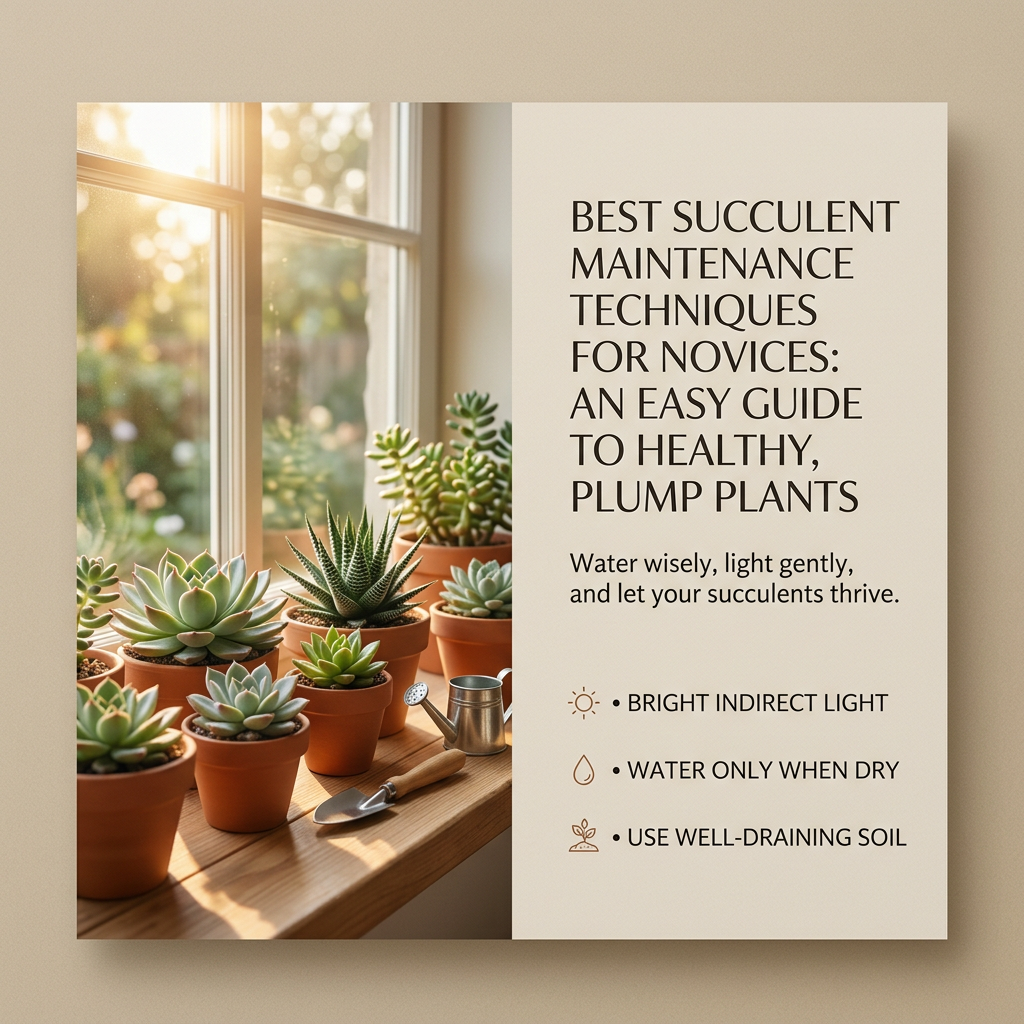
The most crucial component for succulents to be healthy is light, which is frequently the most difficult to provide inside. The majority of succulents require four to six hours of strong sunshine per day. Because they receive the most sunlight, windows facing south or west are typically the greatest option. Windows that face east might also be useful since they provide soft morning light.
Succulents start to stretch when they don’t receive enough light. We refer to this as etiolation. The plant loses its compact form and vibrant colour, the stem becomes long and thin, and the leaves disperse. Moving the plant to a brighter spot is the best way to address the issue early on because the stretched growth does not return to normal. In dimly lit houses or in the winter, a basic full spectrum grow light positioned six to twelve inches above the plant for ten to twelve hours a day can be helpful.
Sudden sun exposure can also be problematic. When a succulent is abruptly exposed to intense afternoon sunlight after living in a covered store, it may develop burnt areas that are white, brown, or black. Increase the amount of light gradually over a week or two to prevent this. To ensure that the plant develops uniformly rather than leaning toward the window, rotate your pots by a quarter turn each week.
Water the soil thoroughly, but only when it is dry.
Most novices find it difficult to water succulents, yet the rule is quite straightforward. Water the soil well when it has dried completely. This strategy is frequently referred to as the “soak and dry method.” It mimics the pattern of a desert rainstorm, which is followed by a protracted dry spell.
Use a wooden skewer or press your finger deep into the ground to see whether it comes out clean and dry to determine when it’s ready. When the dirt is dry, you can also lift the pot and feel how light it is. Pour water slowly until it reaches the bottom of the pot, then let it to drain completely. The roots will perish if the pot is left on a saucer full of water.
Light, temperature, and pot size all affect how frequently this occurs. You might water every one to two weeks during a hot, bright summer. You might only need to water once a month or less during the winter months when development slows. Acquire the ability to read leaves. The plant has enough water if its leaves are robust and plump. It is thirsty if its leaves are limp, wrinkled, or slightly shrivelled. Overwatering is typically indicated by mushy, transparent, or yellowing leaves, therefore you should stop watering right away and allow the soil to dry out.
In particular, with rosette-shaped plants like echeveria, try watering the soil directly rather than the leaves. Spots and rot can result from water becoming trapped between the leaves. This is much simpler using a little watering can that has a narrow spout.
Select Soil That Drains Quickly
The majority of irrigation errors can be avoided with the correct soil for your succulents. Succulents are at risk because regular potting soil retains excessive moisture and remains damp for days. Instead, go for a cactus and succulent mix that has pumice, sand, or perlite to facilitate rapid water flow.
Additionally, you can create your own blend. A common recipe calls for one part ordinary potting soil, one part coarse sand, and one part pumice or perlite. After watering, this mixture dries in a few days and feels loose and gritty. Fine beach sand can pack firmly and obstruct drainage, so avoid using it. To keep the plant’s base dry and give the pot a neat appearance, some growers sprinkle a thin coating of tiny pebbles or grit on top of the soil.
Repot your succulent as soon as you can into a better mix if it is growing in heavy, moist soil. Place the plant in fresh, gritty soil after carefully removing the old soil from the roots and allowing it to dry out for a day or two. Give the roots a week or so to recover before watering.
Choose Pots That Allow the Plant to Breathe
Succulents require drainage holes. Without them, water is trapped at the bottom of the pot, increasing the likelihood of root rot. Use it as an outer cover and store the succulent in a plain pot with holes if you adore fancy pots without holes.
Succulent gardeners love terracotta pots because the clay is porous, allowing moisture to escape through the sides and hastening the drying of the soil. Because glazed ceramic and plastic pots retain moisture longer, they function best in bright areas or with attentive watering. Because succulents have short root systems and like to be snug, pick a pot that is only marginally bigger than the plant. Many types work well in a shallow, wide pot because their roots extend sideways rather than deep.
Maintain a comfortable temperature and air
The majority of succulents like temperatures between 18 and 29 degrees Celsius, or around 65 and 85 degrees Fahrenheit. Many varieties are tolerant of heat, but they don’t appreciate frost. Bring outdoor plants inside before chilly nites approach because soft-leaved types, including echeveria and jade plant, might be harmed when temps drop close to freezing. In the winter, keep indoor succulents away from frosty window glass and hot, dry air coming from heaters.
Rot and fungus can be avoided with enough ventilation. Avoid putting succulents in steamy bathrooms or crowded shelves with no air movement since they dislike stuffy, humid spaces. The plants can be kept healthy by running a modest fan nearby or opening a window on a mild day. Succulents don’t require additional humidity like tropical plants do, and spraying them might cause rot.
Feed sparingly and only during growth.
Succulents don’t require much fertiliser because they are accustomed to poor soil. During the growing season, a small amount of feeding can promote stronger growth and fuller colour, but an excessive amount might result in fragile leaves and weak, strained stems. Use either a regular houseplant fertiliser diluted to quarter or half strength, or a balanced liquid fertiliser designed for cacti and succulents.
During their active season, which is often spring and summer for most varieties, feed your plants around once a month. When development slows in the autumn and winter, there is a pause. Fertiliser should never be applied on dry soil; always water the plant first. It is best to avoid feeding than to overdo it if you are unsure. With very little additional nourishment, a healthy succulent can flourish for a long time in fresh soil and sufficient light.
Recognise Their Seasonal Cycle
Succulents have a year-round natural rhythm, and taking care of them in accordance with the season has a significant impact. Many common varieties, such as sedum and echeveria, grow more slowly in the cooler months and more aggressively in the spring and summer. They require less water and food during this rest phase, and it’s typical for some to lose a few lower leaves.
Certain succulents, including some lithops and haworthia, may rest during the warmest part of summer because to their unique cycles. Before assuming something is amiss, find out what kind your plant is if it stops growing or appears a little dull during a given season. Generally speaking, keep the plant in strong light throughout the year, water more during the growing season, and water less during the rest period.
Succulents may spend time outside on a porch or balcony during warm weather. To prevent the leaves from burning, move them out gradually and leave them in partial shade for a few days before exposing them to full light. When the nites get chilly, bring them back inside and make sure they are free of bugs.
Clean, groom, and spread
Although succulents require minimal upkeep, a little grooming keeps them looking their best. Since dried, brown lower leaves might retain moisture and draw pests, carefully peel them away from the base of the plant. The natural powdered covering on some types of leaves can be harmed by dust, so use a clean paintbrush or a soft brush to remove it.
The ease with which succulents can be multiplied is one of the biggest pleasures of growing them. A single leaf can be used to grow many varieties. A healthy leaf should be gently twisted from the stem, allowed to dry for a few days until the end forms a scab, and then placed on top of dry succulent soil in bright, indirect light. Tiny roots and baby plants will emerge in a few weeks if you lightly mist the soil every few days. Cuttings from stems also function well. After cutting off a portion of the stem and allowing it to callus for a few days, plant it in dry soil.
A great option to add free plants to your home is through propagation, which also provides a backup in case the original plant experiences difficulties. It’s also a fantastic method to introduce your friends to your pastime.
Repot Only When Required
Succulents don’t require frequent repotting and grow slowly. For two or three years, most people are content in the same pot. A plant that topples over due to top weight, roots emerging from the drainage holes, or degraded soil that remains wet for an extended period of time are all indicators that it might be time.
When the plant is active in the spring or early summer, repot it. Before you start, let the soil totally dry out because dry roots are easier to work with and less prone to injury. After removing the plant, shake off any remaining dirt, examine the roots, and remove any that are dead, soft, or black. To allow any minor root injuries to heal, place the plant in a container that is just slightly larger, fill it with fresh, gritty soil, and wait approximately a week before watering.
Identify and Address Common Issues
Succulents can exhibit warning signs even with extreme care, and being able to spot them enables you to take prompt action. Overwatering and decay are typically indicated by soft, mushy, and discoloured leaves or stems. If the damage is discovered early, you can remove it, allow the plant to dry, and repot it in new soil. Thirst is indicated by wrinkled leaves, and plumpness is typically restored in a few days with a nice soak.
Succulents can occasionally be found by pests like mealybugs and aphids. Mealybugs resemble small tufts of white cotton that are concealed between leaves. Use a cotton swab dipped in rubbing alcohol to dab them, then recheck a few days later. Allowing the soil to completely dry between waterings is beneficial because fungus gnats grow when the soil remains moist. Before putting new plants close to others, always keep them apart for a few weeks to ensure their health.
While strained colours, such as crimson or purple tips on some kinds, can indicate strong sun and cool nights—which many gardeners really enjoy—faded colour can indicate a lack of light. It takes experience to distinguish between healthy stress colours and actual problems.
Concluding Remarks
The key to succulent maintenance is to do little but do it well. During the growing season, provide them with bright light, soil that drains quickly, pots with holes, deep watering only when the soil is fully dry, and mild feeding. Keep the air clean, observe the seasons, and periodically look for bugs. Nearly all of a beginner’s demands are met by these habits.
As you learn, have patience. Succulents are tolerant enough to bounce back from numerous early mistakes; a few shrivelled leaves or a stretched stem are only lessons, not failures. Your plants will get plump and colourful with time and care, and you might even find yourself sharing baby plants with pals. Enjoy the process, start with one or two, and let your little desert garden develop at its own peaceful pace.