Related Articles
The door is the last thing you see as you leave the house each day and the first thing your visitors see when they come in. It sets the tone of the whole house. For many homes, though, this small space becomes a crowded landing area for everything that comes in the door—shoes, coats, bags, keys, mail, umbrellas. It doesn’t feel welcoming, it feels messy. The good news is you don’t need a huge foyer or a huge outlay to solve this. With a little planning, some clever storage solutions and some basic habits, even the smallest entryway can be tidy, functional and attractive.
This handbook is for the beginner who needs practical help, simply expressed. Learn how to measure your space, create zones, incorporate shoe and coat storage, select furniture, update lighting, pick flooring and color schemes, add unique elements, and maintain order. Take it one step at a time and soon your foyer will feel like a calm and welcoming start to each day.
- Start by paying attention to how you use space.
Spend a few days before you buy anything to see how your entryway works. Watch where people land when they come in. Shoes at the door? Will the luggage fall to the ground? Mail and keys drop on the closest surface? Expect annoying situations like tripping over a pile of boots or searching for your keys in the morning.
Think about who will use the entry. A family with kids and dogs and visitors has different needs than a single person. Kids need hooks that are easy. Pets may need a place for towels and leashes. Visitors need to have somewhere to hang up their jackets and put down their bags. This knowledge of your needs will help you choose solutions that are appropriate for your real situation and not simply copy an image out of a magazine.
Measure the area correctly. Note the depth and width of the entry, the height of the walls, the swing of the door, the location of the outlets, light switches and thermostats. Look around for any staircases or closets nearby. These measurements will help you avoid items that are too large for the available wall space or furniture that blocks the entryway.
Cut the Clutter
The quickest and cheapest improvement is to throw out what doesn’t belong. Non-entry & exit items are grouped around entryways. Old shoes, broken umbrellas, empty boxes and old mail take up important space. Clean up the area and sort all items into four categories: donate, move, keep here, and trash.
Be honest about things that are seasonal. You can take your sandals off in winter, and you don’t have to waste space storing your bulky winter coats and boots in the summer. In the house somewhere under a bed or in a closet there is a designated receptacle where you can keep off-season merchandise. Keep the things you use most often within reach.
“Set the shoes up nicely. Many homes have more pairs of shoes on hand by the door than anyone wears in a week. Store the rest in bedroom closets, and determine how much each person will have at the entrance. One step can reduce clutter dramatically.
When it is clear , clean it well . Clean baseboards and walls, mop or vacuum floor, wash door and clean windows. A clean, open entry makes you feel bigger and gives you a fresh start for the next few adjustments.
Create Zones for Different Needs
A well-designed entryway has distinct zones, each with a distinct purpose. Picture the space as four basic areas: one for shoes, one for coats and bags, one for small things like keys, and one for resting or taking a break.
The shoe zone should be close to the door to keep muddy or wet shoes at the entrance. The coat zone must be easily accessible and not impede the passage. You want the drop zone near the door, where mail, wallets and keys land, to be at a comfortable height. If space allows, a seating area provides a place for people to put on shoes and rest luggage.
If your entryway is extremely narrow, you might have to combine zones or use vertical space for multiple functions. One wall can feature a seat with storage underneath for shoes, a shelf for keys and hooks for jackets. You can plot out your zones on paper before you start shopping to make the most of every space you have.
Create Clever Shoe Storage
Shoes are a big contributor to entryway clutter, and finding a good place for them goes a long way. A low shelf, shoe cabinet with doors, or basic shoe rack will keep shoes organized and off the floor. Open racks allow shoes to air out and dry, but closed cupboards hide the visual mess and look neater. Choose the option that suits your preferences and habits best.
Slim shoe cabinets with tilt doors are great for small spaces, as they don’t take up much floor space and can hold lots of pairs. This seat has built-in cubbies so there’s a place to sit and storage underneath. In small spaces, an over-the-door shoe organizer is a great way to maximize the space available.
If you live in a rainy or snowy area, put a waterproof tray or mat in place to catch the moisture and dirt. There’s a boot tray with raised edges to protect the floor and make cleanup easy. Have a small basket on hand for gloves, hats and scarves, to keep winter supplies together.
Encourage all members of the household to use the system. Children may need low shelves or labeled bins to be independent. A simple rule is one pair per person at the door and this keeps things from getting out of hand.
Coat Hooks and Storage
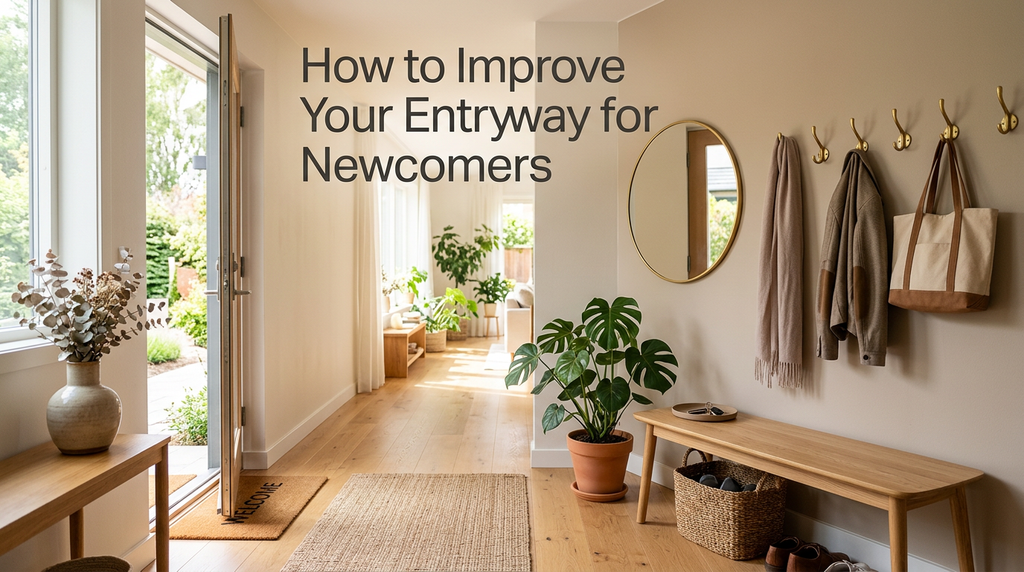
A wall hook or coat rack is one of the most practical additions to any entryway. Hooks are inexpensive, easy to install and small. Mount them at different heights for adults and kids to get. A single row of strong hooks can hold coats, backpacks, scarves and umbrellas.
To give it a bit of a polished look, attach hooks to a wooden board or rail and paint or stain to match your decor. This gives it a clean look and you don’t have to worry about where the wall studs are when you put the hooks up. If you rent and can’t drill, adhesive hooks rated for the appropriate weight can be a gentler option.
If you have a small closet near the entrance, make it work harder. Add shelves, hanging organizers and another rod. Store the rest of your coats elsewhere, keeping only the ones you wear most often. A clean closet by the door makes it easy to hang up a jacket instead of tossing it over a chair.
Leave a part of the closet or a few empty hooks for guests. A nice touch to keep jackets from piling up on furniture and make guests feel at home.
Select a place for mail, keys and little things to land.
Things like keys, wallets, sunglasses and mail can easily be left lying around if they don’t have a designated home. A designated landing area solves this problem. A small tray by the door, a wall-mounted shelf or a slim console table keep the essentials together.
Add a few hooks for extra keys or dog leashes and a small bowl or tray for keys and stray change. They are dealt with in a basket or a mail organizer that is mounted on the wall so that letters and papers don’t pile up. When your mail arrives, go through it immediately, putting important stuff where it belongs and throwing away trash immediately.
The family can use a cork board or a small wall calendar to keep schedules and notes. A mirror over the landing reflects the light, making the entrance look bigger, and also lets you do a quick check before you head out. Leave the surface clear except for a few essentials, so it works as a useful item and not just another clutter area.
Pick Appropriate Furniture
The furniture needs to make the entryway more functional without making it too cluttered. Go for space-saving, multi-purpose furniture in tight spaces. There is seating, and a little bench with storage for shoes. The slim legs of the console table open up the room to showcase floor space while providing a place for keys and décor.
When you purchase, take exact measurements and if possible leave a minimum of 36 inches of clear walking space. Make sure the door opens fully and that there are no pieces of furniture blocking the flow of traffic. In very small entrances, wall-mounted shelves and fold-down seats used as storage save floor space.
Select materials that can take a beating. Wood, metal and sturdy upholstery can take the daily grind, and surfaces that are a breeze to clean can deal with muddy shoes and wet umbrellas. Rounded edges are safer in tight spaces, especially in homes with children.
Improve the Lighting
Many entrances are dark and make them feel claustrophobic and uninviting. Better lighting makes all the difference in the look and use of the space. If you have only one fixture on the ceiling, think about replacing it with something nicer or brighter. A flush mount fixture or pendant light can add individuality and increase visibility.
If possible, add a second source of light. Add warm ambiance and brightness to nooks with a plug-in light, wall sconce or table lamp on a console. If you are a renter or new to the game, battery-powered or stick-on lights are your best bet. Use warm white bulbs. Warm white light is inviting and cozy.
Natural light is also great. Avoid heavy drapes that block out the sun, and keep your windows and glass surfaces clean. When you put a mirror in front of a window, the light is reflected and the entrance looks bigger. Proper lighting also adds to safety, making sure you and your guests don’t trip over steps or shoes.
Select colors and finishes with care.
The entryway color can make a difference in how welcoming it feels. The light and delicate shades are warm white, cream, pastel gray and soft blue. Light colors reflect light and create the illusion that small areas are larger. Or for something a little more dramatic, paint a single accent wall, or the inside of your entry door, a deep shade. A fresh coat of paint is one of the cheapest upgrades that makes an immediate difference.
Because bags, jackets and shoes are often in contact with entry walls, use a washable, scuff-resistant paint. Flat paint is harder to clean than semi-gloss or satin finishes. To add character, and protect against scuffs, you might want to add a bead board (or protective panel) to the bottom portion of the wall.
To make the entryway flow nicely into the rooms beyond, keep your color choice simple, and in keeping with the rest of the house. A few accent colors like artwork, pillows or carpets add flair to the room without being overpowering.
Choose Practical Rugs and Floors
The entryway gets more abuse than just about any other place in the house. Choose materials that will stand up to a lot of foot traffic, wetness and grime. Stone, vinyl, sealed hardwood and tile are good. Steer clear of delicate surfaces that can easily get scratched or stained.
A good rug or mat is both functional and esthetically pleasing. Put a smaller washable rug inside to catch moisture and a sturdy outdoor mat outside the door to trap most of the dirt. To prevent accidents, select carpets with non-slip backing and make sure the door will open over them without catching. Best styles are flat weave or low pile.
Runners are great accents to long, narrow entries and draw the eye into the house. Darker colors and patterns on rugs cover up dirt better than uniform light colors. To keep the rug looking new, wash according to care instructions, and vacuum or shake out regularly.
Make It Your Own
Once you’ve got the functional elements, add embellishments that give the entry its own unique vibe. A few well-placed objects can make a difference. If there’s a framed picture or piece of artwork on the wall, visitors have something to look at. A vase of flowers or a small plant adds color and life. Add warmth with a beautiful basket, a scented candle or a chic tray.
Avoid over-decorating as you risk creating the same clutter that you were trying to get rid of. Choose things that speak to your style and make you happy. A welcome sign, a wreath on the door, or seasonal display can change the atmosphere throughout the year. Maintain most surfaces free of objects to create an ambiance of openness and tranquility.
Including a mirror is worthwhile. It adds depth and reflects light and it allows you to check your appearance before you go out. Select a size that suits the wall, and hang it where most of the family can see it.
Add to the Outside Entry as well
The entryway begins at the front door. A well-maintained front step and porch ensure that the inside feels connected to the outside and give a pleasant impression. Clean the light fixtures. Sweep the steps. Wipe the door. Ensure house numbers are readable and conspicuous. A pleasing color on the front door, with a new coat of paint, would improve the whole appearance of the house.
Add a couple of seasonal arrangements or containers by the entrance. If space allows, add a small bench or shelf at the threshold and a sturdy mat. A well designed exterior light welcomes visitors in the evening and adds to safety. These basic elements are inexpensive and make a great first impression.
Make Easy Habits to Keep Things Organized
A few simple behaviors can keep lovely doorways just that. Make a habit of putting your shoes, luggage and keys where they belong as soon as you walk in. Clean up the landing location and sort the mail at the end of each day. Set aside a time once a week to clean the floor, put away shoes, and throw away things that aren’t supposed to be there.
At the beginning of each season check the storage at the entry. Change out boots for sandals or rain gear if need be and swap out bulky coats for lighter jackets. Teach children where to put their shoes and how to hang their own bags. Small, regular actions keep clutter from returning.
Common Mistakes Newbies Should Avoid
There are a few common mistakes that are made with entryway projects. Without measuring, buying furniture can result in items that block the room or the door. If you skip the declutter phase, storage fills up fast. Choosing delicate rugs or flooring for a high-traffic area will lead to constant wear. Weak hooks or glue that can’t hold the weight of heavy coatings can be frustrating because things will fall down.
Common mistake is to concentrate on the looks only. A nice door that does not reflect your everyday routine can be rapidly disorganized. Design based on real habits – think about how your family uses the space.
Concluding Comments
One of the most rewarding home improvement projects for a novice is to spruce up an entryway, as minor changes here make a big difference. First, take a look at how the space works and clear out any clutter. Designate spots for jackets, shoes, keys and seating. Choose furniture and storage based on your measurements. Add some practical flooring, good lighting and a few special touches, and establish some basic routines to keep things orderly.
You don’t have to do a step at a time. This week, start with one simple thing, like creating a place for your keys, or adding a row of hooks. Walk out your front door and soon you will be in a peaceful, well organized and really friendly area.