
Related Articles
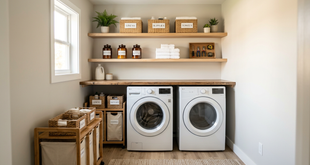
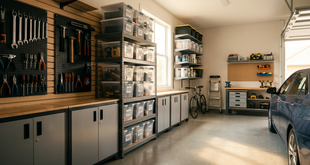

One of the most expensive rooms in the house, the garage is often the least organized. What begins as a parking park becomes a dumping ground for all the things that have nowhere else to go. When the car is parked in the driveway and no one can find that one thing they need, there is a pile of tools, bikes, holiday decorations, sports equipment, paint cans, garden supplies and boxes from the last move. A lot of people think that the only option is a custom cabinet system or an expensive remodel, but that’s not usually the case. With a little care, a good cleaning and a few reasonably priced storage items most garages can be made over.
The manual is aimed at the beginner who wants simple practical help. You will learn how to evaluate your space, de-clutter, create zones, use your walls and ceilings, select the right shelves and containers, safely store tools and seasonal items, protect your belongings from moisture and pests, and keep the space organized over time. Take things one step at a time and you’ll soon have a garage that works as hard as you do.
First get to know your garage
Take some time to honestly evaluate the area before you buy a single shelf or bin. Notice what is bothering you as you stand in the doorway. Is it the workstation beneath random objects? The bikes up against the wall? The stack of crates in the corner? Think about how you want to use the garage. Some want to store a few tools and park two cars. Others want a home gym, a workshop or a place for their hobby. If you have different goals, storage options make sense.
Measure the garage carefully. Note the size of the garage door and how much space it will take up when open. Make sure you measure the width, depth and ceiling height . Mark locations of outlets, light fixtures, windows, water heaters, electrical panels and anything else that needs to remain accessible. Do a quick sketch on paper of where the parking space will be and what is left of the floor space. The drawing is there to guide you so that you do not buy something that does not fit.
Also take a look at the condition of the space. Check for signs of mold, vermin, leaks or dampness. Resolve any issues before you begin filling the space with stored items. Everything you keep in a safe, hygienic, and dry garage is safe.
Empty & Organize Everything
The most important step is also the hardest one. Empty the garage, or do it piece by piece if the space is large. Put things out on the lawn or driveway on a dry day. Seeing everything in one place can help you to know what you actually have and often throws up broken, duplicate and forgotten items.
Separate the elements into groups . Common categories include: tools, automotive supplies, garden equipment, sports equipment, holiday decorations, domestic overflow, paint and chemicals, and items to donate, sell or dispose of. Be honest when you sort. If you haven’t used something in over a year, and it holds no sentimental value and no seasonal value, it probably doesn’t deserve space. Broken tools, dried-out paint, rusted equipment, all can be thrown away.
Proper disposal of hazardous waste. Never put chemicals, batteries, pesticides, motor oil or old paint in the regular trash. Contact your local waste department for information on drop-off locations and collection days. This alone will make the garage safer and free up an amazing amount of space.
Sweep, wash and dry the floor when the garage is empty. Dust and clean shelves and walls. Sweep cobwebs from ceilings and corners. It is much more satisfying to organize when the garage is tidy, like a blank canvas.
Create Zones for Different Uses
Zoning is the key to good garage storage. A zone is just an area set aside for a particular type of object or activity. It’s easier to find things and stops the area getting messy again if similar items are kept together.
Think about the zones that you need. A tool zone adjacent to a workstation keeps hammers, drills and screwdrivers close at hand. There is a garden area near the door where shovels, hoses and pots are stored. A sports area holds bikes, balls, helmets and camping equipment. Seasonal zone: The place where out-of-season merchandise and holiday décor are kept. Car care area will have tire tools, cleaning materials, washer fluid and oil.
Put frequently used items in the most accessible places, such as waist and eye level or near the entrance door. Things you use only once or twice a year can be put on the back of the garage or on high shelves. Keep things safe by putting heavy things low and lighter things higher. “This simple reasoning saves time and avoids injuries.
Good Use Of The Wall Space
The best place to store anything in a garage is on the walls, which are usually largely unused. The garage looks bigger and more organized. It also frees up the floor and keeps things off the floor. It uses vertical space.
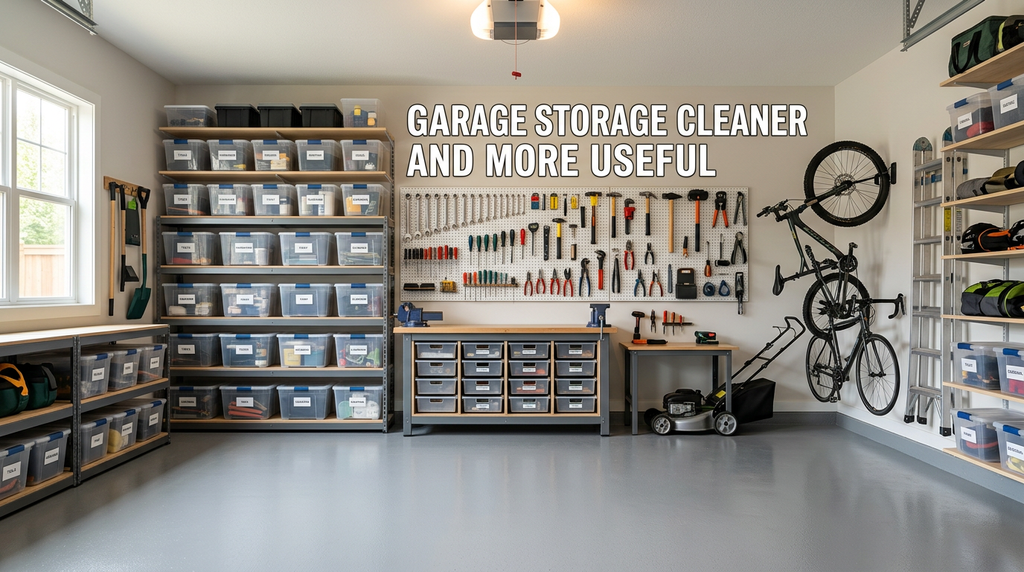
Popular and flexible options include slat wall or pegboard systems. Rearrange the pegboard with hooks, bins and shelves as your needs change. Works especially well for hand tools as each instrument can have its own space and you can quickly see if something is missing. Slat wall panels are stronger and can hold bigger items such as garden tools and ladders.
Another good choice is a track system with adjustable hooks and shelving. They clip onto studs and let you hang anything from extension cords to bicycles. Sturdy hooks hold hoses, ropes and long-handled equipment in place. Wall-mounted racks keep shovels, rakes and brooms upright and tidy rather than tumbling over in a corner.
Anything you put on a wall should be anchored to studs, not just drywall, especially if it’s going to be heavy. Use the correct screws and a stud finder. If you don’t want to drill holes in walls, get a buddy or friendly neighbor to help you. A secure installation protects both your safety and your possessions.
Look up and use the ceiling.
The space above is often the most neglected area of a garage. Ceiling-mounted racks can store large, lightweight items you don’t use often, such as holiday bins, camping gear, coolers and suitcases. These racks can be made from simple equipment and hung from the ceiling joists.
Before you install a rack, check the height of your ceiling and the space you’ll need for the garage door and any cars. Distribute the weight evenly and ensure the rack is capable of supporting the weight you plan to store. Do not store very heavy objects overhead, because a falling load may cause injury or damage.
Hoists and pulley systems can lift bikes, kayaks and ladders up to the ceiling. They clear valuable floor space by getting large items out of the way. Arrange them so that nothing is likely to strike your car when the door opens, and so that you can readily get hold of the ropes.
Choose the Right Shelving
Shelving is the backbone of garage storage and a few good quality units can completely change the space. Metal freestanding shelves are inexpensive, sturdy and simple to put together. Choose units with adjustable shelves so you can adjust the height to suit your changing needs. Check the weight rating before you buy to make sure each shelf can handle the goods you plan to store.
Heavy-duty plastic shelves won’t rust or absorb moisture, making them a good choice for damp locations. Wooden shelves look nice and can be custom built to fit odd spaces but they might attract pests and collect moisture if your garage is damp. Shelves on the wall are great for lighter items like paint cans, cleaning supplies and small boxes, and they leave the floor space entirely clear.
Ensure safe shelving. Place the heaviest items on the lower shelves and the lightest on the top shelves. Keep sharp objects and chemicals out of the reach of children, preferably in a locked cabinet. To help prevent mold and mildew, leave a small gap between the shelves and the wall.
Use Containers & Labels
They also keep small goods together and protect them against pests, moisture and dust. The best containers are clear plastic with tight-fitting lids so you can see inside without opening them. Choose bins of a consistent size so they fit properly on shelves and stack neatly. For heavier items, such as tools, use strong bins with sturdy handles. Bigger tubs are useful for seasonal decor.
It’s nice to get free cardboard boxes, but they do break down, they soak up moisture and they attract insects. If you must use them, keep them away from wet walls and off the floor for now. It’s a good investment to replace them with plastic bins.
Clearly label the front and sides of each container. Use sticky tags, printed labels or permanent markers. Add the category and a short description, such as ‘car care supplies,’ ‘holiday lights’ or ‘camping gear.’ You can also add a number and keep a basic inventory list for quick reference. Clear labels save time and avoid the annoying search through numerous boxes.
Keep Tools Safe and Clean
Tools are expensive and sometimes dangerous so should be carefully thought through. A tool cabinet, or a sturdy workbench with drawers, can keep hand tools and small parts organized in a dedicated space. Sort tools by category. Drills and bits in one section, wrenches together, screwdrivers together. A magnetic strip on the wall keeps the metal tools visible and accessible.
Little objects, such as bolts, washers, screws and nails, get lost easily. Keep them in compartmentalized boxes, little drawers or labeled jars. Screw jars onto the underside of a shelf to save space that would otherwise go to waste, attach the jar lids to the shelf so the jars hang down.
Store power tools in their cases or on shelves with wires well wrapped. Keep batteries and chargers in close proximity to one another and away from extreme heat or cold. Always unplug tools and protect any sharp edges before storing. develop a clear policy of always putting tools back in their designated places after use, so you won’t lose them again.
Bicycles and Sports Equipment (Sort)
Bicycles and sporting goods, if left on the ground, occupy a lot of space. Floor stands, ceiling hooks or wall-mounted bike racks keep bicycles upright and out of the way. Vertical bike racks are great for small garages. Choose a system that suits the number and weight of the bikes.
For balls, helmets and gloves, use containers, sacks or a rolling cart. Sports equipment won’t smell musty in mesh bags hung on hooks for air circulation. Fishing rods, skateboards, scooters and skis can all be kept on shelves or wall racks. When objects are placed at a height children can reach, they are encouraged to put things away on their own.
Overflow and Seasonal Items Control
Good places to stash seasonal items like camping gear, winter coats, and Christmas decorations are a high shelf or overhead storage. Store them out of the way, in sturdy bins that are properly labeled. As the seasons change, rotate your things so you have what you need close by and the rest out of the way.
Be careful when storing certain items in the garage. Excessive heat, cold and humidity can damage electronics, photos, important documents, candles, and a variety of food products. If possible, keep these items indoors in a more stable environment. Garages are great for sturdy, weatherproof items.
Protect your property from pests and moisture.
Garages are subject to moisture and temperature changes so it is important to keep your stuff safe. Store all items off the concrete floor on risers, pallets or shelving. Moisture can wick through concrete and cause anything that is laying on it to mold and rust. In damp areas use a small dehumidifier or moisture-absorbing sachets.
Seal around doors, windows, and walls with caulk to prevent insects and rodents from entering. Store all food, including birdseed and pet food, in sealed hard plastic or metal containers. Do not leave open bags or garbage in the garage. Watch for pest signs, such as material that has been chewed or droppings, and act quickly if you find them.
And ventilation is important too. Leave room on shelves so that air can get at what you store and open your garage door on dry days so that fresh air can move in.
Upgrade the Lighting and Floors
It is safer and easier to use a garage that is well-lit. Got one dull bulb in your garage? Bright LED shop lights will completely change the game. They provide uniform, clear light over workbenches and shelves and are easy to install and energy efficient. Consider motion sensor lights at entryways and task lights above your workbench.
Floorings can be improved, too. A sealed concrete floor in pristine condition is easier to sweep and resists stains. Epoxy coatings and floor tiles are popular upgrades that offer durability and a clean look. Rubber mats under workbenches protect the ground and add comfort. Whichever option you choose make sure the surface isn’t slick.
Keep Things Organized Over Time
Only basic behaviors keep a well-organized garage like that. After every use have everyone in the house put things back where they belong. Take ten minutes once a month to sort, tidy and search for things that have wandered to the wrong place. At the start of each season, sort through your storage and toss anything you don’t need.
If you bring new items into the garage, use the one in, one out rule. When you buy a new tool or piece of sporting equipment, throw out an old one. Set up a yearly day to donate and clean out things not being used. A little bit of routine maintenance keeps the clutter from taking over.
Common Mistakes to Avoid for Beginners
Garage projects tend to make the same mistakes over and over again. Buying storage before decluttering is a recipe for wasting money and ending up with an unorganized garage full of containers. Missing measurements result in shelves and racks that don’t fit. Placing heavy objects on high shelves is a safety hazard. Weak shelves can fall down when there is a heavy load on them. Chemicals should not be left where children can get to them. Cardboard boxes left in a damp place will encourage mold and vermin to grow.
Another common mistake is to try to do it all in one weekend. Working in stages is easier, and big jobs can be done in the garage. Complete a zone. Be proud of yourself. Go to the next zone.
Concluding Thoughts
You don’t need to spend a lot or have a specific skill set to improve your garage storage. First, you have to get to know your area, and clear it out completely. Then comes the honest sorting and careful planning. Zones, wall systems, ceiling racks, solid shelves and labeled containers convert clutter to order. Good lighting, floor care and protecting your belongings from moisture and pests all contribute to a safe and comfortable environment.
The most enduring effects are created by consistent practices. If everyone puts things away where they belong and checks the area periodically, the garage can remain operational for years. Begin this week with a simple project: hang a couple of hooks on the wall, or clear out one corner. Then revel in the satisfaction of a garage that is finally organized and ready for anything.